Tuesday, April 10, 2018

Culture x Water

IMG_2059


My last paper of the term is done, and I took the Tomb Sweeping holiday to travel around in southern Taiwan simply enjoying time with Brendan and meeting up with some friends. I read Crystal Boys (review coming soon), didn't write anything, generally relaxed and re-learned what it was like to be able to take a nice short trip without academia weighing on my mind.

I sent in that final paper at 6pm on Wednesday. The next morning, we hopped on the HSR to Zuoying, arranging a pickup from the HSR station to the ferry terminal in Donggang (NT600 for the trip - not bad). Little Liuqiu (小琉球), where we spent two nights and, on account of my being thoroughly exhausted from the previous day's push to get my paper in, still didn't manage to see everything. After this we spent the final two days of the long weekend in Kaohsiung and Tainan.


I enjoyed the island's rural sights and did not feel the crowds visiting them were overwhelming. Baishawei, the island's main town, was a different story. I suspect Baishawei is a fine little town to relax in on a non-holiday weekday; over the long weekend, though, it was horrible. Really horrible! I understand getting on a scooter to go out of town - there is a bus that circles the island and you can ride it fairly easily to get anywhere you might want to go - but to get on a scooter to go around Baishawei, whose streets are narrow and made for pedestrians, and the sights within walking distance of it? Come on. I get that it will be crowded, but if people realized that and used their scooters more judiciously, it wouldn't be so bad.

IMG_1850


Beyond that, a thought struck me while navigating around Baishawei, which I shared over drinks with a friend who happened to also be on the island - a thought about water, and our orientation to it, and what that means for Taiwanese identity.

People explain away Taiwan's less-than-ideal beach infrastructure and general lack of well-maintained beaches, and the fact that many Taiwanese don't know how to swim despite living on an island, by pointing out that Chinese culture isn't a water-oriented one (leaving aside the fact that historically, Chinese fishermen, explorers, traders, pirates and seafarers have absolutely been an integral part of Chinese culture.) They point out that China doesn't have great beaches - I've been to the one in Qingdao and yeah...not great, and I haven't heard great things about Hainan. Or they mention that Chinese cities tend to be built "with their back to the sea", or generally thinking of the sea as the end of China and not an integral part of their lives. As that same friend pointed out, for a large portion of not-too-distant Chinese history, access to the coastlines was banned (which of course didn't work at all as intended).
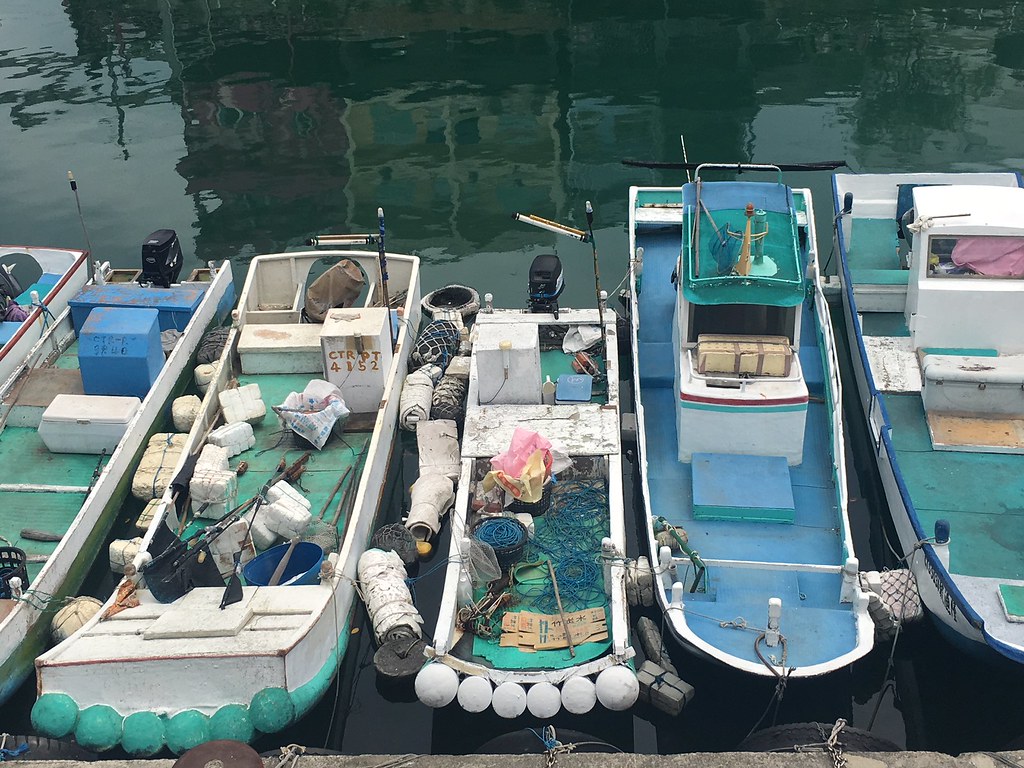

IMG_1812


You can see that in Taiwan - for a long time, despite being an island, the coastal waters were off-limits and people "were living more like residents of a landlocked country." In terms of specific beaches, Wai'ao could be a really nice destination, except it's just off a strip of noisy road, backed by ugly buildings and an entertainment complex that is both uninviting and behind a parking area, not actually on the beach. Kenting...I don't like Kenting, let me count the ways. Baishawan allows 10,000 people to churn the water in approximately half a square meter of a long, gorgeous beach. Fulong has that hideous bridge (yes, it needs a bridge, but couldn't it be nicer?) and ugly hotel and is flanked by a lagoon to one side that smells, as one friend who worked in health care put it, "like my sick elderly patients' pee." And that's just to name a few. (Some of the outlying islands fare better.) Taiwan doesn't have a lot of gorgeous, sandy beaches, but what it does have could be better than they are.

I mean, in Taipei we live an MRT ride from the ocean and hardly ever go, because the infrastructure needed to make the beaches really nice places to swim and relax just isn't there. Taiwan's cities do indeed feel as though they are built with their backs to the sea.

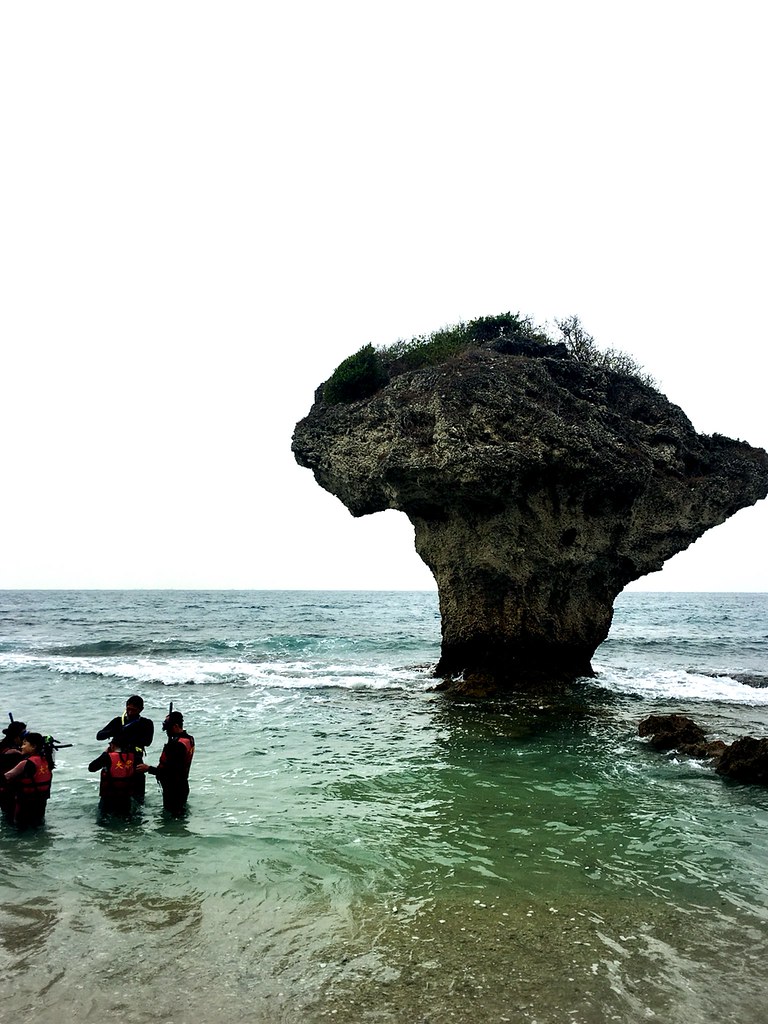
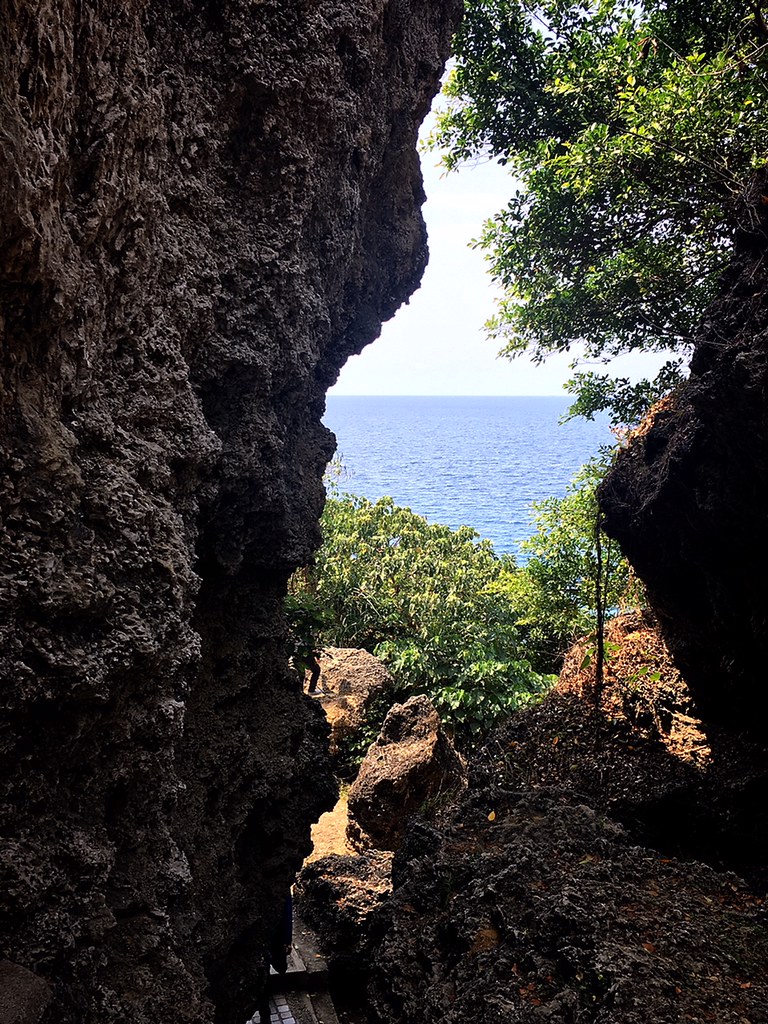
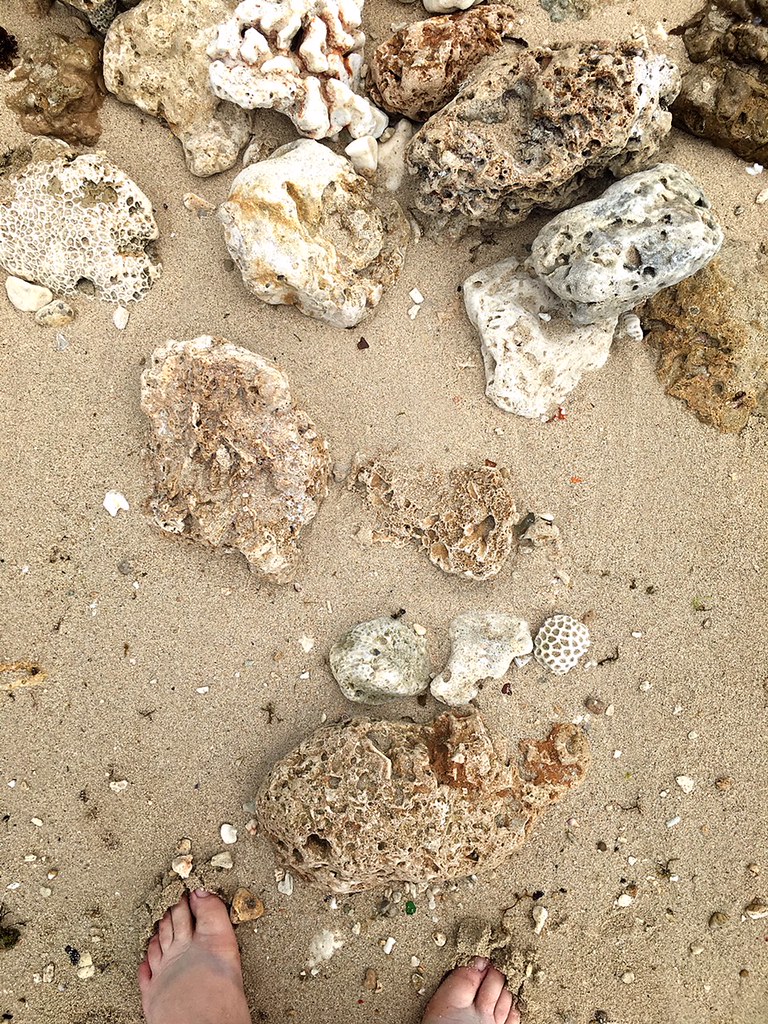
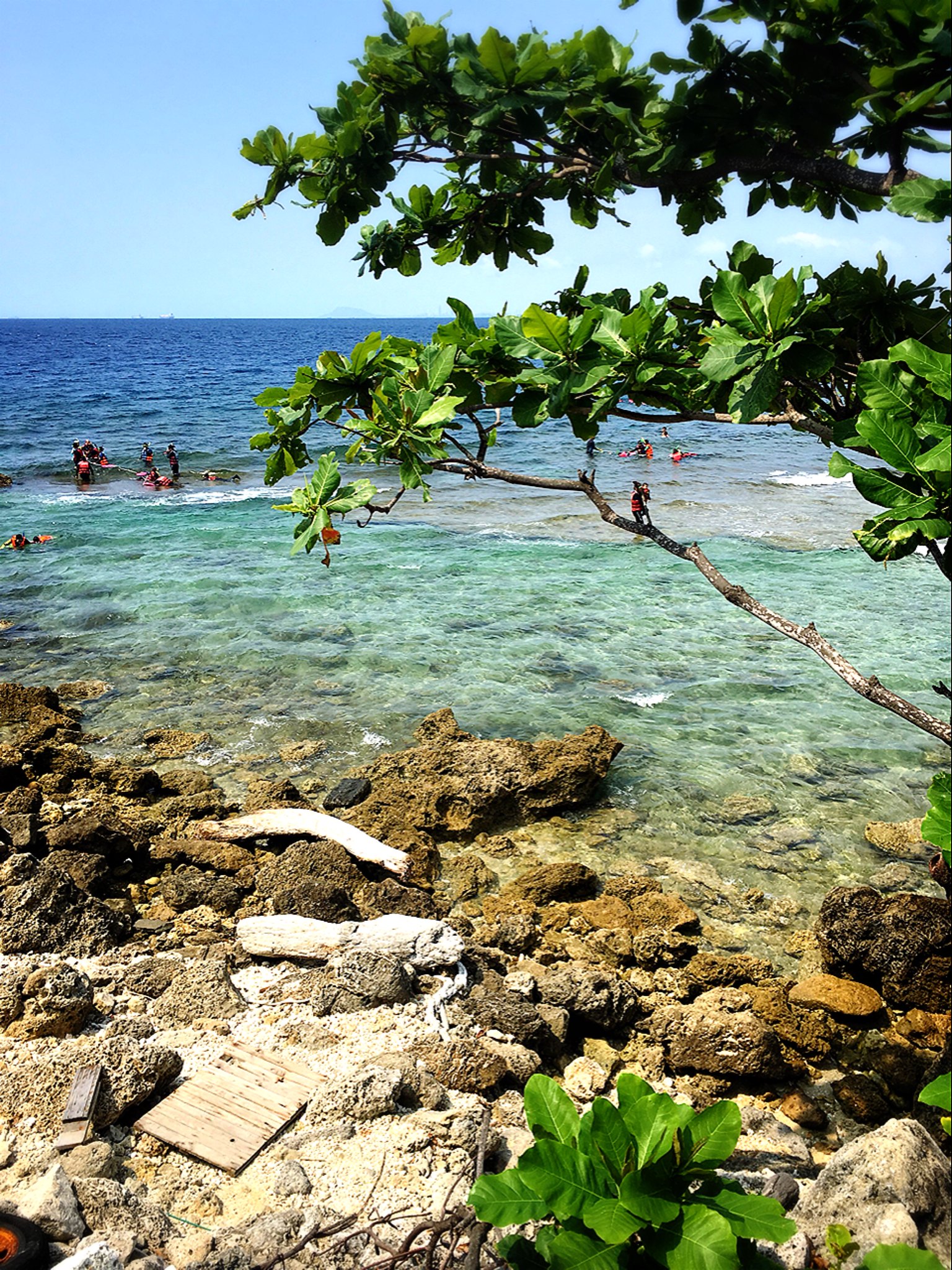
But, in Little Liuqiu, I got the sense that it could be different. More kids in the younger generation are learning to swim, Taiwanese Millenials go to the beach and hang out in a way that feels distinctly familiar to me as a coastal American. On Little Liuqiu, I dare say that, while not a "great beach" (too many rocks and coral to cut your feet) Baishawei's beach was a pleasant place to hang out, and other rocky beaches have good snorkeling - and people were taking advantage of that. People were going in the water and enjoying themselves in ways I just didn't see in China (though I haven't been to Hainan).

Note how all of the cultural attitudes towards the sea that I mentioned above are in relation to Chinese culture. But Taiwan is not China - it doesn't have to be this way. Taiwanese history is rooted in Austronesian indigenous culture, and who are seafarers if not Austronesians? Taiwan's deepest history is tied to the sea. It doesn't need to hold to Chinese notions of how the sea fits into their lives, and in fact such an attitude doesn't suit it. Taiwan isn't like China, not least in terms of geography. So why have a Chinese attitude to the ocean?
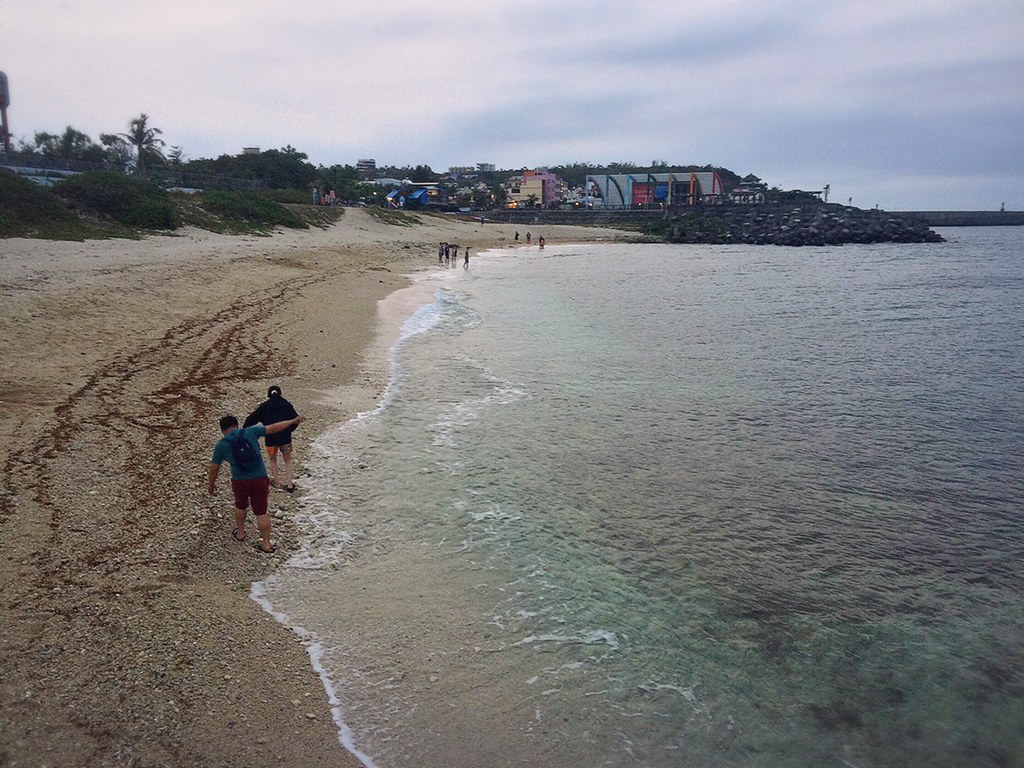

IMG_1787


Taiwan can - and I'd argue should - grow its existing beach/sea/ocean culture as a way to not only acknowledge that it is not only a subtropical/tropical set of islands and it makes sense for warm-water island nations to be sea-oriented, but also as a way to differentiate Taiwanese culture from Chinese culture. China can turn its back to the sea - we can turn to face it. It can be a barrier for them, the "end of civilization". On our beautiful ball of mud, we can do things differently.

Taiwan doesn't need to be defined by ideas central to Chinese culture. It has its own culture and can define itself accordingly. Just because something is culturally Chinese doesn't mean it needs to be applied to Taiwan.

And that will be one small, but notable, nail in the coffin of this "Taiwanese and Chinese culture are exactly the same! They have the same history and think and act in the same way!" nonsense bandied about by people who don't know what they're talking about. It's not true, but it's hard to see that if you're just passing through (or are just some Internet bloviator). We need it to be more demonstrably untrue, and a country where the beaches are both lovely and popular would help in its own small way.

This isn't a crazy outsider idea. I'm not trying to push my foreigner thoughts on a local culture - Taiwan is already going down this path and already has more of a historical and current orientation to the ocean than China. So there is no reason why Taiwan can't [continue to] cultivate a sea-facing, sea-loving, ocean-integrated culture that is well-suited to its geography and actual non-Chinese history. Improvements need to be made, but it would be unfair to say we're not on our way.

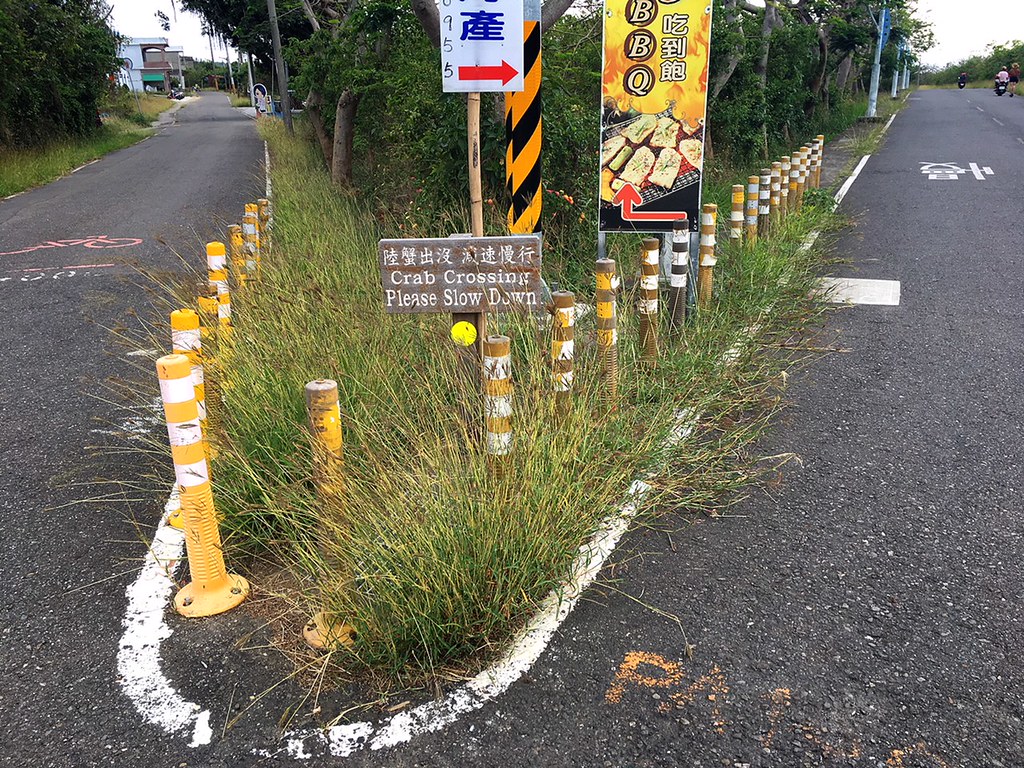
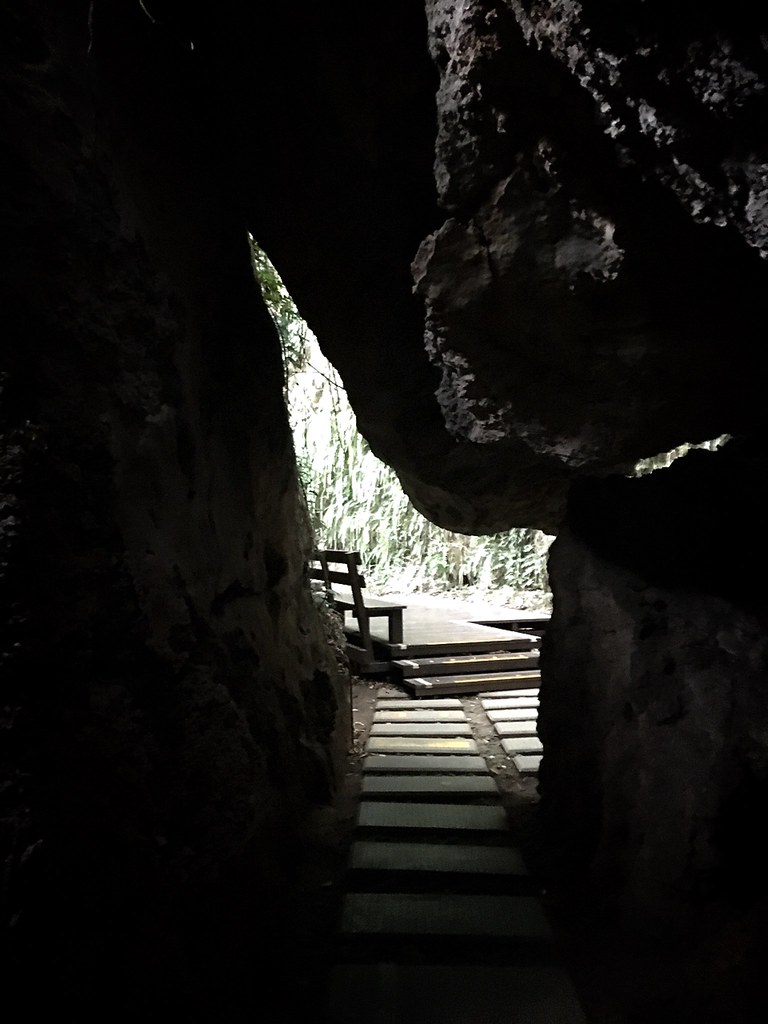
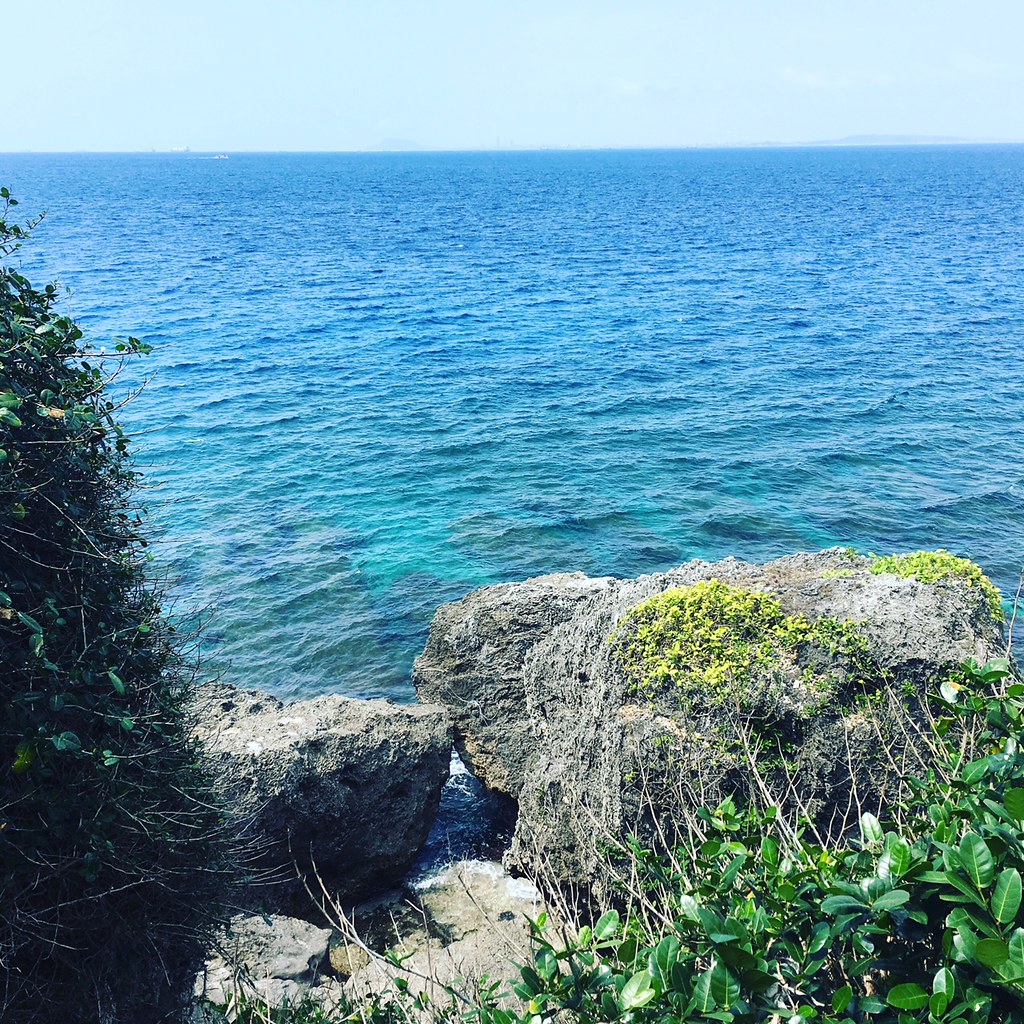
Anyway, enjoy a few more shots of Little Liuqiu:
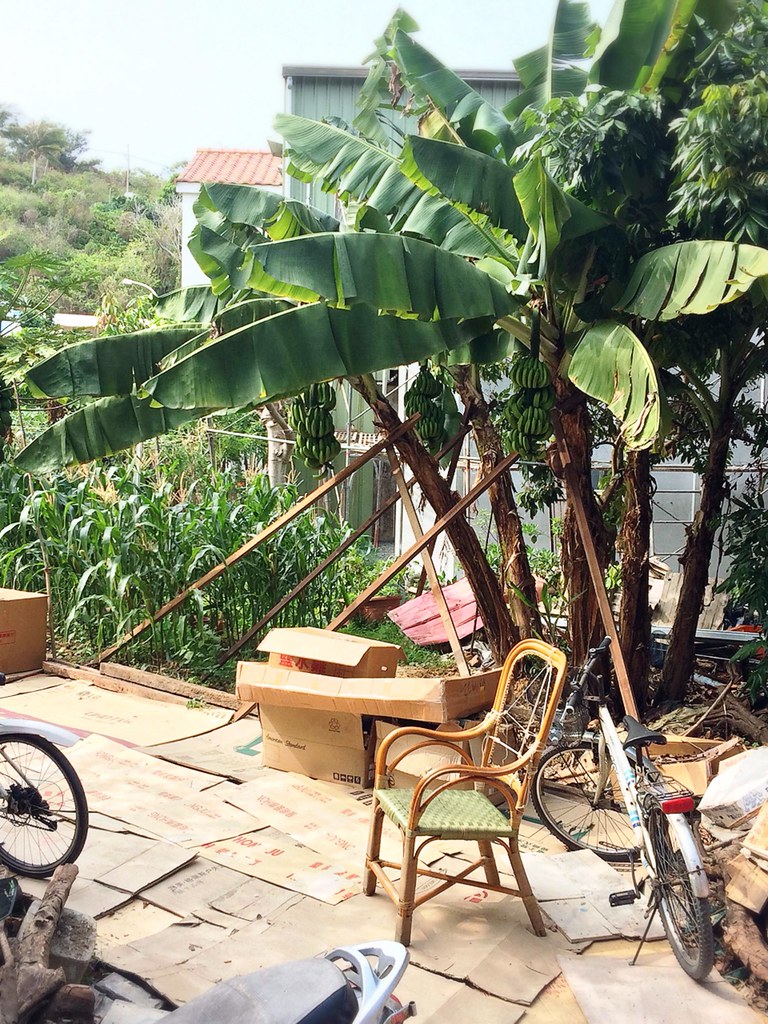
IMG_1802

IMG_1789

IMG_1786

IMG_2058

IMG_1902

IMG_1896

IMG_1894
If you are wondering whether my feet are dirty or just dyed by my sandals, the answer is...they were really cheap sandals.


IMG_1890

IMG_1885

IMG_1876

IMG_1803

Sunday, April 1, 2018

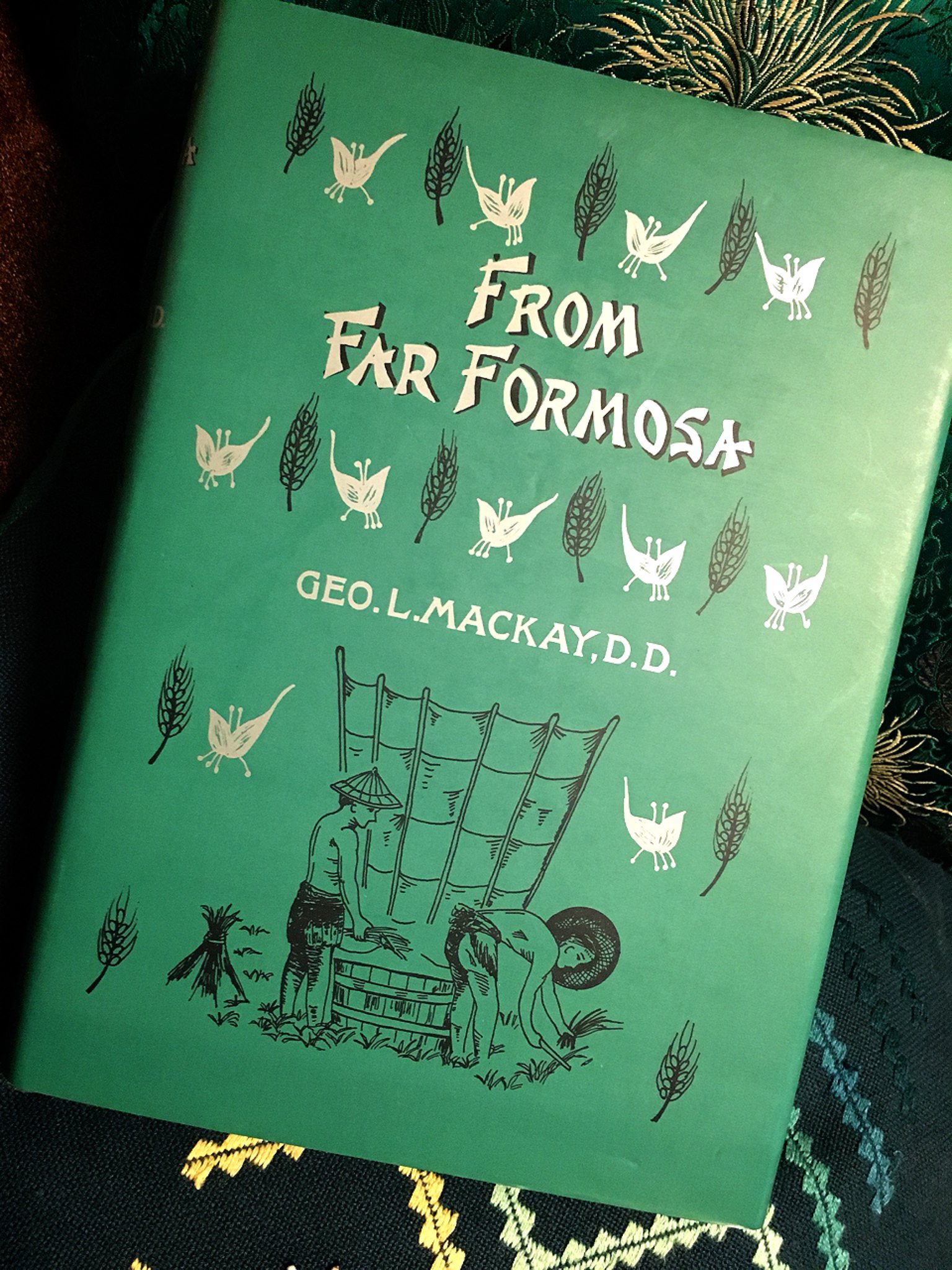
Book Review: From Far Formosa

IMG_1689


Loyal readers of Lao Ren Cha might think it impossible that I would have had the time to read From Far Formosa while I've been working on my final paper for my first term at Exeter. These astute fans are correct! However, I would like to share a few impressions of George Mackay's classic of writings about Taiwan, in which he describes life, people and missionary work in Taiwan from his experience living there for over twenty years. First published in 1896, it is one of the most fascinating accounts of what life was like in Formosa at the very end of Qing colonial rule in Taiwan, and my 2002 SMC edition includes a number of interesting photographs and maps. Unfortunately, the pleasure of reading it is somewhat hampered by Mackay's failure to mention the most pivotal Taiwanese cultural institution of his - and our - time.

That said, From Far Formosa is a brilliant read - I was especially struck by the way Mackay describes his "first views of Formosa" and how they were later echoed by Janet Montgomery McGovern in Among The Headhunters of Formosa about two decades later, when the island was firmly under Japanese control. Mackay writes:


Beautiful indeed was that first view of North Formosa, as seen from the deck of the steamer in the harbor at Tamsui. We all stood and gazed, deeply impressed. In the evening we wandered out over the broad table-land and the downs toward the sea. The fine large fir-trees, not found near Ta-kow, attracted Richie's eye and reminded him of his Scottish home. But when he saw the situation of Tamsui, standing over against a solitary mountain peak that rose seventeen hundred feet, and backed on the east and south by range after range climbing two thousand, three thousand, and four thousand feet high, his soul was stirred to its depth, and sweeping the horizon with his hand he exclaimed: 
"Mackay, this is your parish."


A stirring way to introduce Taiwan - anyone who has come to understand why this is called Ilha Formosa (the beautiful island) will understand how that moment must have felt. This is why it's befuddling that this heartfelt rendering of the first views doesn't include his first impression of what must have been a visceral, soul-illuminating experience. What I'm trying to say is - how could Mackay not have written about the toilet restaurant in From Far Formosa? What could be his motivations for such a glaring error?

In fact, how can anyone claim to have visited Taiwan if they never went to the toilet restaurant?

So, while I enjoyed the book, this was the one thing I just couldn't shake - how is it that Mackay catalogued everything he had learned about Taiwan in such meticulous and loving detail, and yet never once mentioned the most distinctive feature on the island, the one thing any visitor to Taiwan would immediately become aware of and be drawn to? The one thing that wave after wave of foreigners who once came to Taiwan by boat and now arrive by plane have been compelled to write about?

Was his omission deliberate, perhaps a consideration brought about by his religious faith? I considered this as I read on, not believing that he'd leave such a crucial facet of traditional Formosan culture out of his masterwork. That didn't make a lot of sense, though: as far as I'm aware, Christians have massive and inexplicable hangups about sex, gender and sexual orientation, but aren't particularly bothered by bowel movements. What about a toilet restaurant might be such a taboo for them - after all, surely even Jesus relieved himself in the usual way (though perhaps not in a Modern Toilet as we envision them). However, although I was raised Christian, I was never particularly interested in it as a belief system or philosophy, and as such don't know much about it beyond some core beliefs of the church I was raised in. Scripture and catechism and all other matters ecumenical are not my purview - perhaps someone better-versed in these areas can weigh on in the late 19th century view of Mackay's particular strain of Christian faith on this matter.

What is further confounding is that Mackay declines to mention the toilet restaurant when talking about both Formosans of Chinese and indigenous descent (this is true across all tribes discussed in the book). When it comes to Chinese, he neglects entirely to discuss the careful placement of toilet bowl seats according to the ancient precepts of feng shui, or to compare Taiwanese toilet-restaurant seating feng shui to its slightly different accepted interpretation in China at the time - in China, toilet seats made of plastic with embedded glitter were typically placed facing the till, in order to facilitate the flow of money according to the movement of qi around the restaurant. In Taiwanese feng shui, rules about glitter or non-glitter plastic toilet seat covers are not stressed as much, but the north-south placement of miniature squat-toilet bowls filled with spirals of chocolate ice cream when served to customers is of the utmost importance. After more than twenty years in Taiwan, surely Mackay - who observed religious customs closely - noticed this small but important difference.

Mackay's toilet-restaurant-related blind spots are no better when discussing his travels among the indigenous. One memorable passage, he describes a trek into the mountains with a group of "savages" (in a chapter titled "Savage Life and Customs"), writing:


Higher and higher we wound and cut and climbed. Far up we reached a little open space among the tangle, and could see that the next day would take us to the topmost peak. Below could be seen all the ranges, with their intervening valleys, All around was the wild luxuriance of cypress and camphor, orange, plum and apple, chestnut, oak and palm, while the umbrella-like tree fern rose majestically some thirty feet high, with its spreading fronds fully twenty feet long.


After such a luxurious description of wild mountain nature in late 19th-century Taiwan, how was Mackay not immediately inspired to compare the natural wonders around him with the man-made wonders of the toilet restaurant? The two bring to mind a dichotomy of images so similar that it is difficult to comprehend how an astute observer such as Mackay would not have made the connection. He continues, describing the trek being unexpectedly pinched off before it was completed:


But after that night of ecstasy came the morning of disappointment. With the snow-capped heights of Sylvia almost within reach, the chief announced his decision to return to the "Huts." He had been out interviewing the birds, and their flight warned him back. There was nothing for it but to fall into line and retrace our steps. Reluctantly, bit with much more rapidity, the descent was made, and we arrived at the village in time for the braves to participate in the devilish jubilation over a head brought in during our absence. One ugly old chief, wild with the excitement of the dance, put his arm around my neck and pressed me to drink with him from his bamboo, mouth to mouth. I refused, stepped back, looked him sternly square in the face, and he was cowed and made apologies. When we left then they were urgent in their invitations to their "black-bearded kinsman" to visit them again.


While I find it a bit unsettling that Mackay was so openly rude to a tribal elder - intoxicated or not - I am even more flummoxed by his complete failure to mention the importance to indigenous Formosan societies of the toilet restaurant. A traditional sharing from the urinal-shaped glass out of which Taiwan Beer is sold can help make amends for any social gaffes that occur, and Mackay and the chief might have entertained themselves more amicable in this fashion. (A portable urine container also filled with Taiwan Beer is a second acceptable option among most indigenous tribes, but not all - a visitor to these areas is well-advised to note the differences in local customs.)

All in all, From Far Formosa is an interesting read and valuable time capsule. However, it doesn't escape the flaws of other books about specific periods in Taiwanese history in its baffling omission of the toilet restaurant as central to Taiwanese culture. Some observant writers are wise to include this critical cultural touchstone: in Lost Colony, Tonio Andrade, for example, is wise to include the importance of the toilet restaurant in the series of events that led to Koxinga's taking Taiwan from the Dutch, and George H. Kerr notably discusses the pivotal role the toilet restaurant played at length when describing the horrors of the aftermath of the 228 Incident in Formosa Betrayed. Manthorpe only includes six paragraphs on the toilet restaurant in Forbidden Nation, but his brevity on the subject can be forgiven, considering the sheer amount of Taiwanese history he covers. From Far Formosa, too, would have benefited from the understanding of the key cultural role of the toilet restaurant in Taiwanese history and modern political economy that these other writers have displayed.

Monday, March 19, 2018

Carry On, My Wayward Sun

IMG_1002
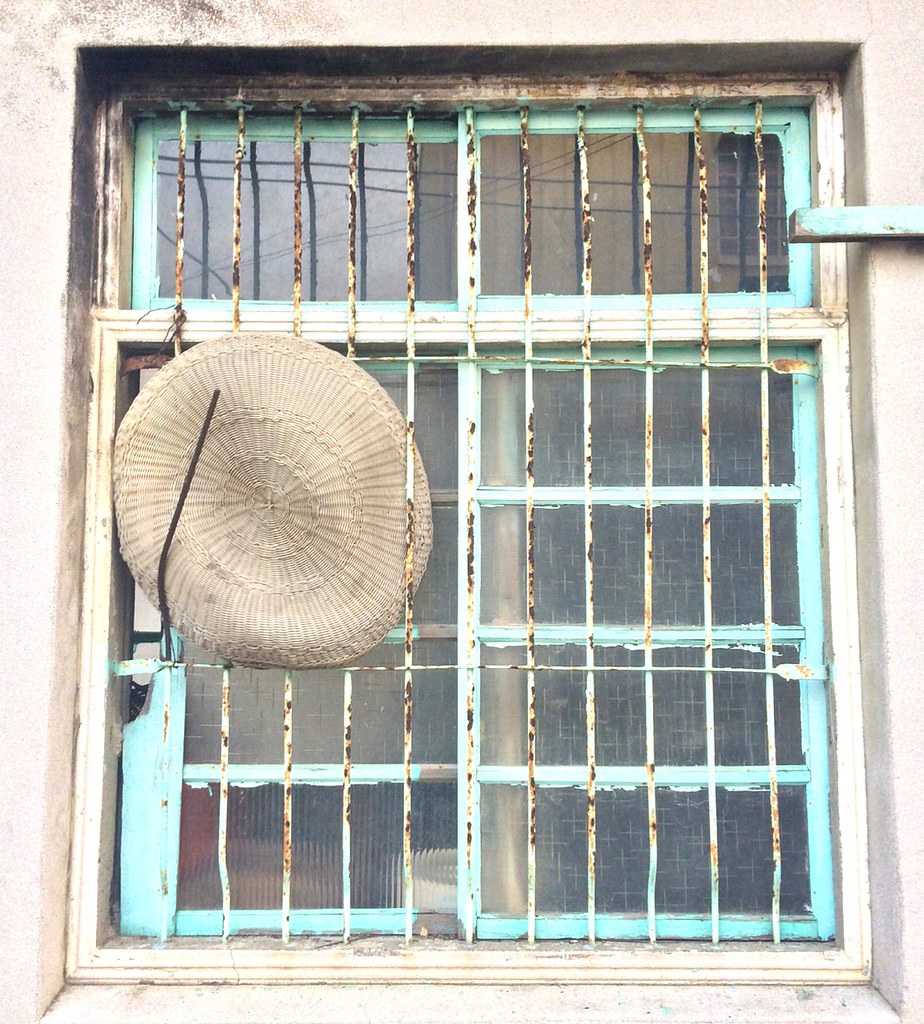
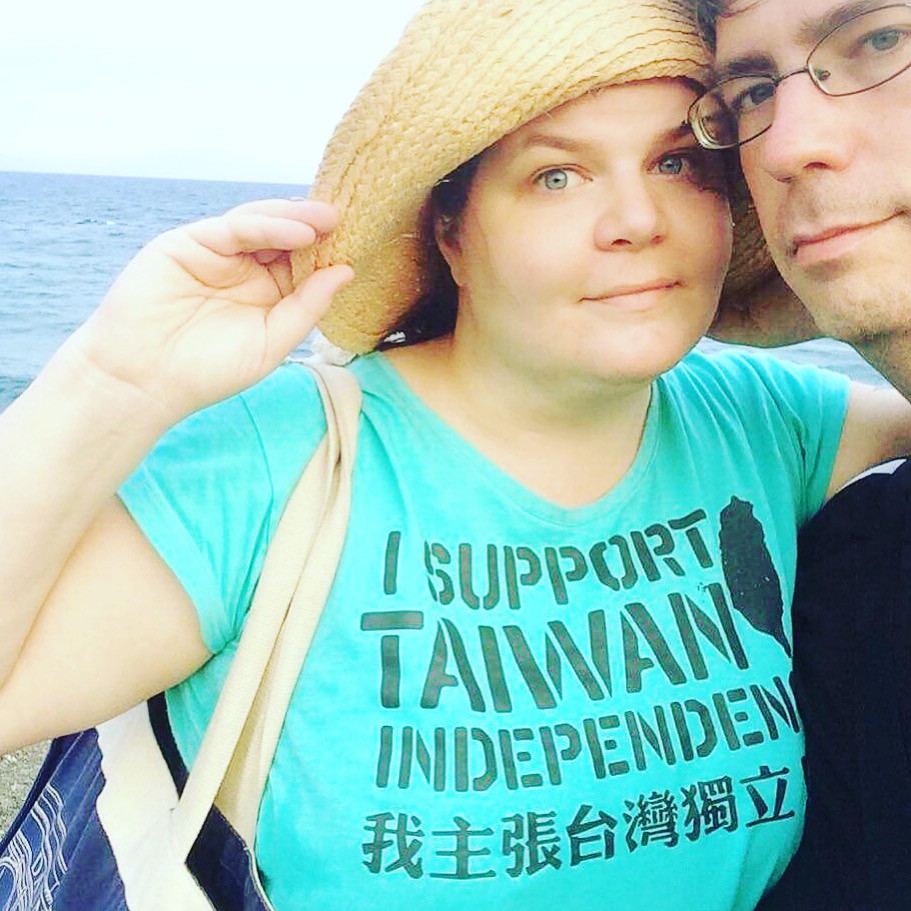
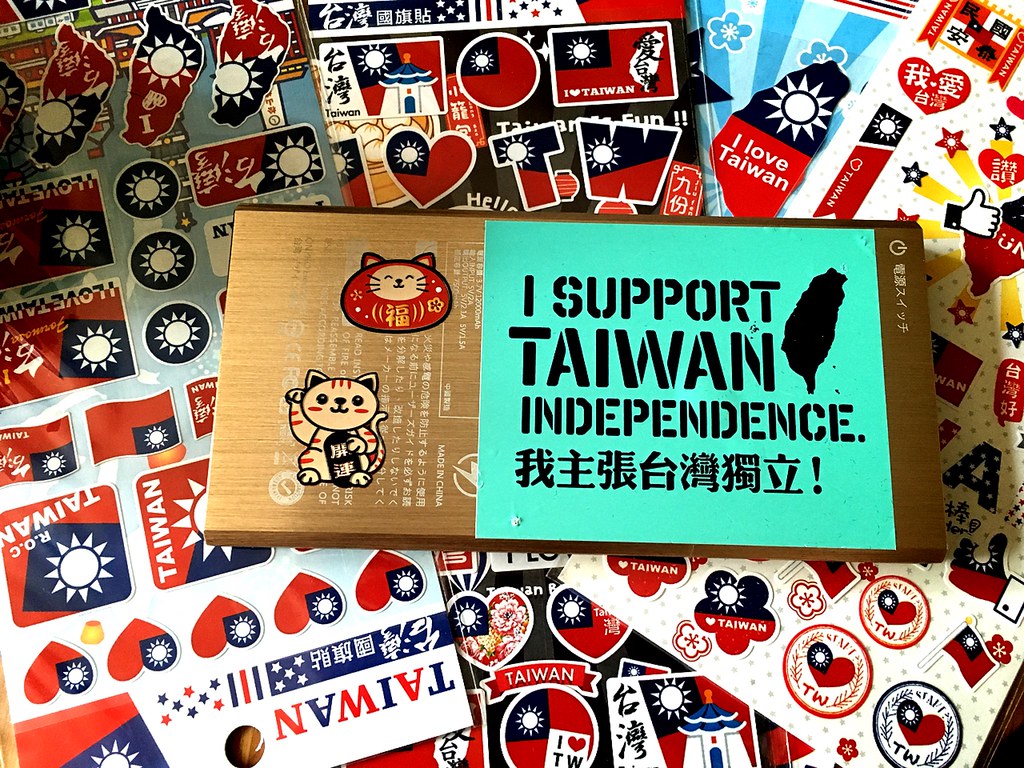
Took me awhile to realize this: the choice of a light sea green for many pieces of pro-Taiwan merchandise wasn't made for merely aesthetic reasons. It was chosen because the color is associated with the old window and door frames as well as Datong electric fans that were once common in Taiwan and can still be seen occasionally today. The color has a deeper association with Taiwan than many people realize. 


The other day, I walked to the nearby general store to replace my dying external battery. I didn't know external batteries could just stop working like that - turns out, much like American democracy, they can. Many of the choices were already decorated, but I noticed the only ones with Taiwan-themed covers were slathered in the Republic of China flag. This of course means they all prominently featured the KMT 'white sun on a blue field'. Many also had "I love Taiwan!" or "Taiwan" printed on them.

There was no option to buy a Taiwan-themed battery that had any other design on it. It was the ROC flag or nothing. I bought a plain battery.

As I thought more about this, it didn't bug me that as a consumer, I couldn't get a pro-Taiwan design that I liked, or made sense to me, or was even pro-Taiwan to begin with (there is nothing pro-Taiwan about the KMT's history, and nothing pro-Taiwan about allowing one party's symbol to dominate the national flag of a country whose official name doesn't even contain the word 'Taiwan'.) It bugged me that the ROC flag, in many instances, is still the default symbol of Taiwanese identity.

When we complain that Taiwan can't even show its national flag at certain events, we are not complaining about the "Taiwanese" flag. That doesn't officially exist, although concepts abound. We are complaining about not being able to wave the Republic of China flag, which I have already written about. When a pop star is abused by Chinese trolls for waving her country's flag, they're not mad about a Taiwanese flag, they're mad about a Chinese flag that they don't like.

The problem here is that when waving the ROC flag is the default show of support, it pushes the idea of waving any other, more pro-Taiwan flag (really any one of the designs will do) into the realm of what some would call "extremism". When it's "sensitive", causes a kerfuffle or is an open act of protest to wave that sun - although still within the bounds of moderate discourse - you suddenly become a crazy extremist nutbag for saying "hey that flag actually sucks", and are left to choose from an array of not-quite-national-symbol designs, which further cement your status as a nutbag. In this worldview, nutbags reject officially approved symbols of "protest" - the ROC flag - and design their own (more extreme) symbols instead.

When the international media writes about people like Chou Tzuyu getting in trouble for waving the ROC flag, imagine what they'd write if she'd been abused for waving a flag that was actually Taiwanese.

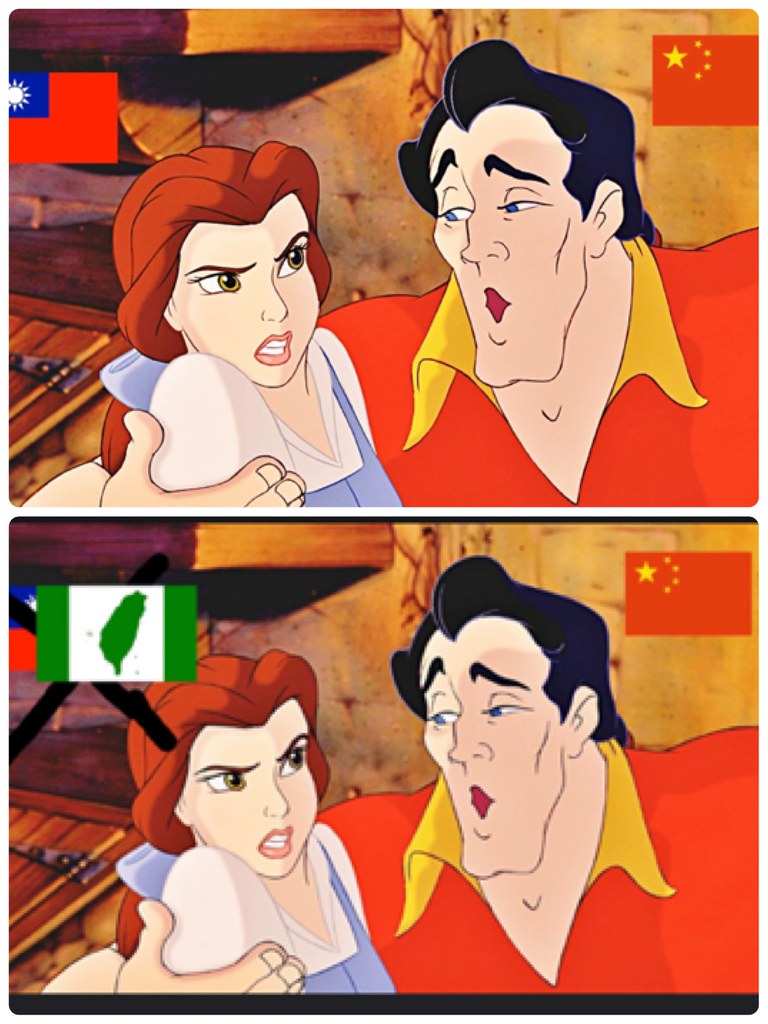
This annoys me to the point that I can't even make a good meme about it without feeling all sorts of angst over my choices. Do I go with what's clear to international audiences, or do I get rid of that damn glaring sun the way I want to?


IMG_1001
HOW TO EVEN MEME??

Further to that, when international discourse mainly recognizes two narratives - the CCP one and the KMT one, as evidenced by the dueling flags - to say both of them are riddled with problems becomes an 'extreme' position. Perhaps not in Taiwan so much anymore, but certainly on an international scale. At Exeter last year, I felt that arguing a pro-Taiwan position as 'not a part of China' was taking something of a controversial stance, without even getting into the ROC compared to Taiwan. Going further and arguing that not only was Taiwan not a part of China, it was not in fact Chinese (that is, that not even the ROC was legitimate) felt like arguing an extreme view.

Like, oh, you support the ROC? Hold up there bucko, that's a sensitive issue! Okay, but just remember, it's a sensitive and complex situation...

...wait, what? You support the Republic of Taiwan? You don't even think Taiwan is fundamentally Chinese? You don't even want to wave the ROC flag - that's not enough for you? That doesn't fit in with the framework I've adopted, which was written for me by the CCP, the KMT and media reporting on the issue! Therefore it must be extreme! 


This is especially troubling, as being pro-ROC at least in the US is (usually) a conservative stance. Being sympathetic to China is generally a liberal one. Moving beyond the ROC to support Taiwan, then, must be an extreme conservative view - even though in Taiwan it is very much a view espoused by most (though not all) of the left. Not even the extreme left. These days, just the normal, albeit young, left.

Nevermind of course that these days being pro-ROC is at least being nominally pro-democracy if you don't really understand the history of the ROC, and being sympathetic to China is being pro-dictatorship, when in the West the right-wingers are the ones who have a more authoritarian bent. The left assuages its guilt for being sympathetic to a brutal dictatorship by reassuring itself that "well they do things differently in other countries and we have to respect that, so we can't hold it against them or criticize them for not giving their people the basic human rights we demand for ourselves. Democracy is great for us but they don't need or want it because they're...Asian or something."

This bothers me because arguing a pro-Taiwan stance is not an extreme position. It's actually quite moderate. It's reasonable.

It's the position that reflects a desire to recognize what is already true.

It is a stance that recognizes the full breadth of Taiwanese history, simply from having read it. It is the stance that respects the will of 23.5 million people who are already self-governing in a liberal democratic system. It is the stance that understands the nature of the ROC's coming to Taiwan, their past crimes here, and how the label of being "Chinese" has been externally imposed rather than organically grown. It is the stance that understands how little support the last, wheezing scions of the old ROC order have as they face the short march to their inevitable sunset. It is the stance that is pro-democracy and understands that the ROC is a formerly authoritarian government which is only now democratic because the people of Taiwan insisted on it. It is the stance of someone who actually believes in liberal democratic values and is willing to apply that to global situations. It is the stance of understanding that doing so is not cultural imperialism when the people you are applying it to agree with you.

In a post-Sunflower world, it is the stance that reflects reality.

I don't even think it's terribly extreme to say that Dead Dictator Memorial Hall should go. Certainly the grounds are pretty and we can preserve them (without the dead dictator), but it's not insane to want to burn the whole thing to the ground. After all, it rhapsodizes the murderous rule of a horrible foreign dictator, turning him into a personality cult icon. Why shouldn't it go? How does this not make sense?

29342453_10156257130006202_799312513505165312_n
"Masquerading as a man with a reason
My charade is the event of the season
And if I claim to be a wise man,
it surely means that I don't know"


In fact, I'd say being sympathetic to China is the extreme position, being pro-ROC is only slightly less extreme, and being pro-Taiwan is the normal choice. I can't even begin to assign 'right' or 'left' labels to this, though, because the original framework has been so skewed that it doesn't make sense in this dimension. It doesn't fit in with our laws of nature.

And yet the rest of the world only knows Taiwan's story through the media they consume. The vast majority have never been here and never will. The media reports the CCP and KMT narratives, and when they bother to include pro-Taiwan narratives, marginalize them so much that they're easily dismissed as the ramblings of a group of crazy ethno-nationalists who won't face the reality that Taiwan is fundamentally Chinese, or that it "shouldn't matter". Why "shouldn't it matter"? Because the left especially has grown so anti-nationalist/separatist that any attempt to assert sovereignty, even sovereignty a group already has, is seen as "extreme". The media isn't reflecting reality, it is helping to create reality. What scares me is I'm not even sure they realize it.

I'll leave you with this: when I was at Exeter, if the topic came up, I would argue a pro-Taiwan stance. I do not suffer the foolishness of the ROC. People listened, certainly they were too thoughtful to dismiss it out of hand. And yet more than once, a comment slipped out among my professors and cohort that made it clear that they still saw Taiwan as fundamentally Chinese (e.g. "Taiwan and the rest of China", or "we have a few Chinese students" when in fact we had only one, from Macau. The other identifies as Taiwanese.)

If that was their default, what did they make of my pro-Taiwan views?

Do they take for 'extreme' what I see as - what I know to be - merely normal?

In other words, get out of here, wayward sun.
There will be peace when you are done