Thursday, August 22, 2019

Restaurant Review: The Thali

Untitled

The Thali
內湖區東湖路24-1號
Donghu Road #24-1, Neihu District, Taipei

(Near MRT Donghu)
Reservations recommended, easy to book by messaging them on Facebook


I hadn't gotten a chance to write up the Indian restaurants we've tried recently, but I've finally made a few minutes to get this done and keep my Indian Food in Taipei page up-to-date. So...here's the first of two reviews (the second, just below, is for Oye Punjabi on Yanji Street).

The Thali is a well-regarded newcomer to the Taipei Indian food scene, though it's a bit far from central Taipei (tip: take the Blue Line to Nangang Exhibition Center and transfer to the brown line - taking the brown directly across Neihu takes forever). We liked it so much, we went twice - once to try their South Indian food, and once for the North Indian-style curries.


Untitled
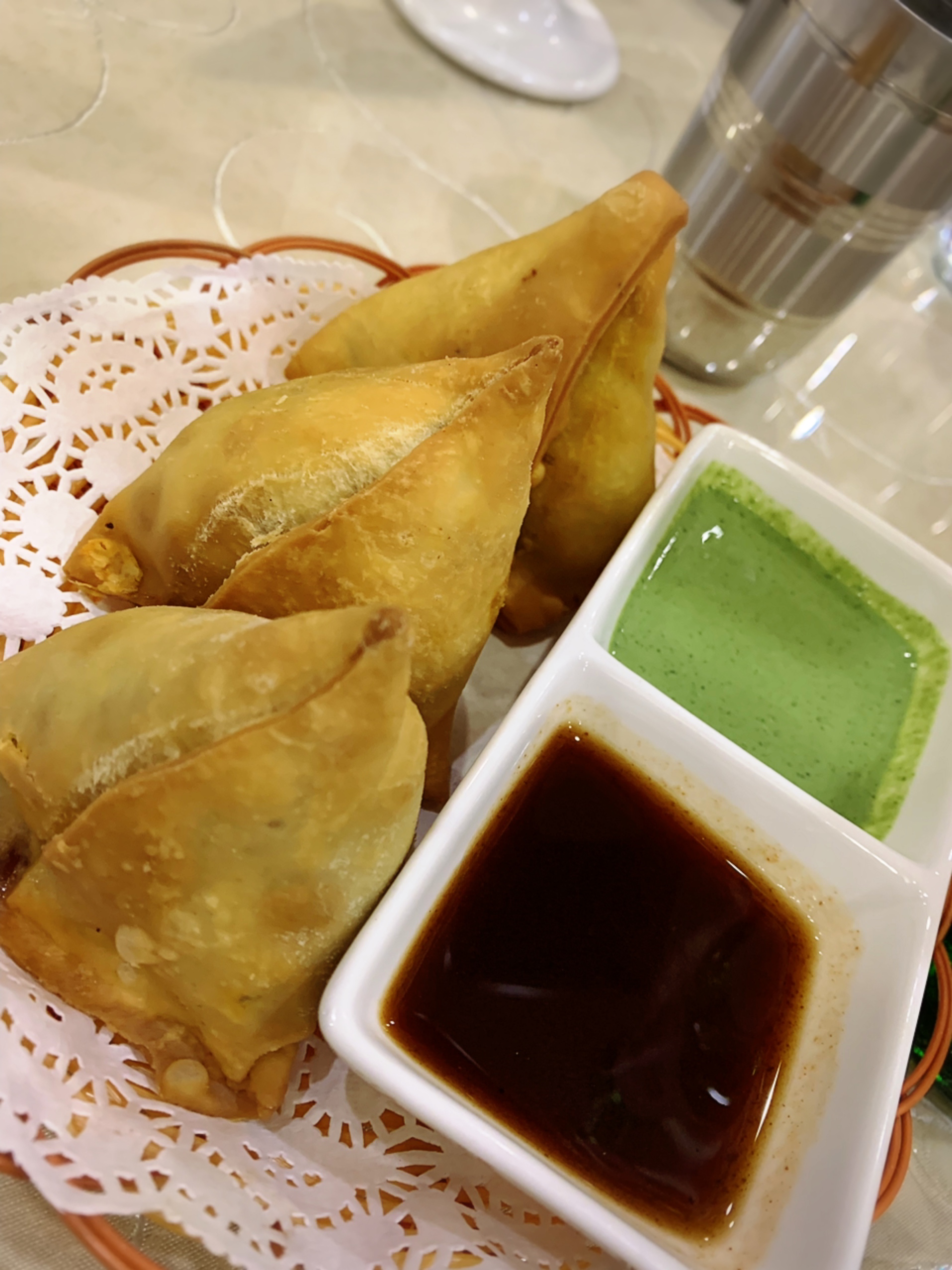
These are the lamb samosas but the vegetarian ones look similar

All in all, I give this place top marks for well-made food and being sensitive to customers' spice preferences. If you want milder Indian food, you can request that. If you're a chili fiend like me or just like more spices in general, you can ask for that too.

Right now the South Indian dishes are limited - basically, you can get thalis (it'd be smart to pre-order) and dosa, including masala dosa. Both of these come in super-size iterations as well, though we stuck to the regular-sized masala dosa. It was good - on the papery/crispy side with well-spiced potato filling. The chutneys and sambar were excellent, and I was really happy that the selection included tomato chutney. I know coconut chutney is the classic choice, but I've just been a tomato chutney girl since I discovered it was a thing sometimes served with idli/dosa.

The management says that they plan to roll out more South Indian menu items in the future, but are starting slow in order to ensure quality, which I appreciate. 


Untitled


We also tried a variety of appetizers - the samosas are great, and they have minced lamb samosa which is rare! We tried both regular and lamb, and liked both, though I have a slight preference for lamb because it's so hard to find. Samosas are served with the classic red-green chutneys (tamarind-date red, and coriander green - though sometimes it's mint). I really appreciated that; a lot of Indian places around the world leave out the tamarind-date, but that's the one I like more.


Untitled
Not only did it come with tomato chutney, it was good tomato chutney! 

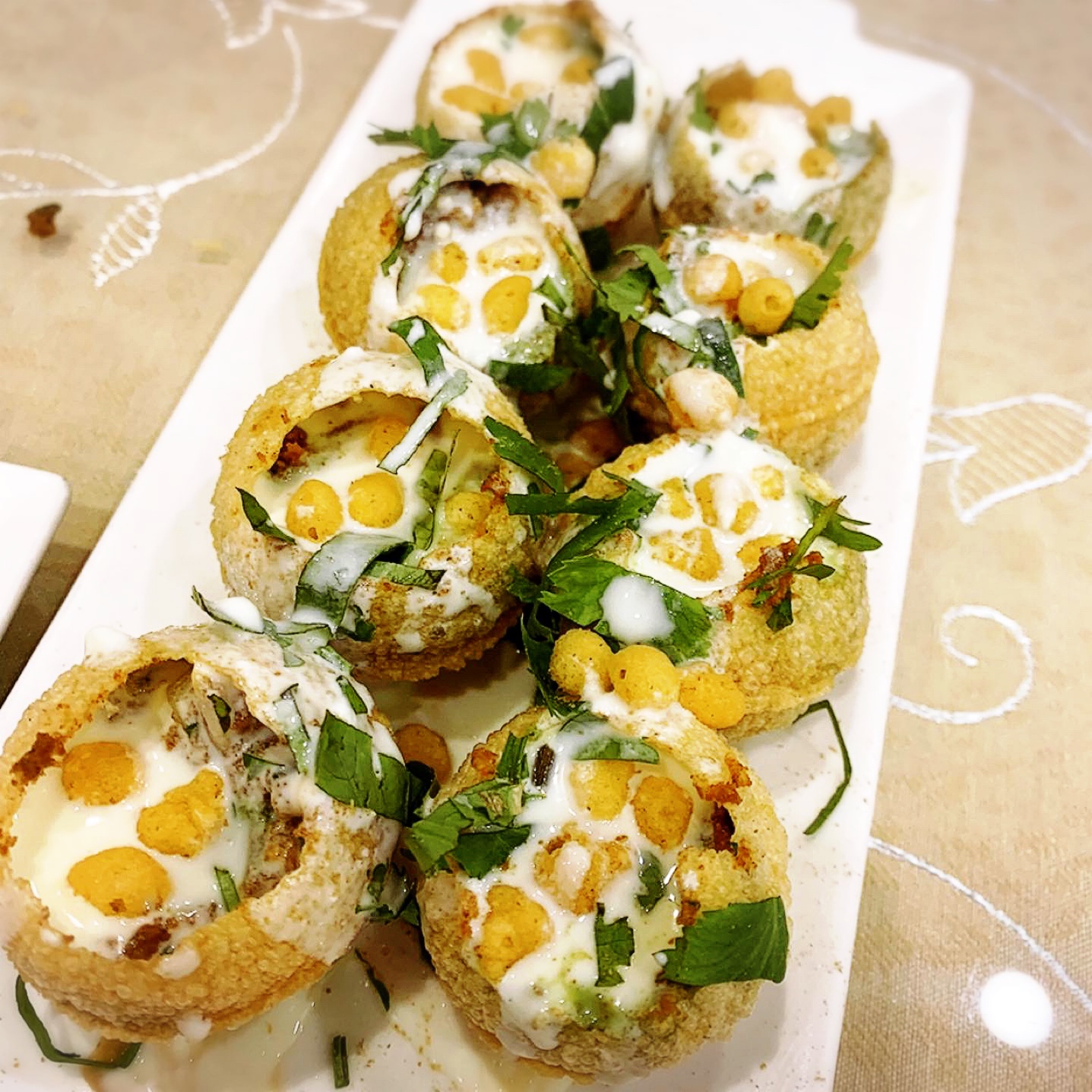
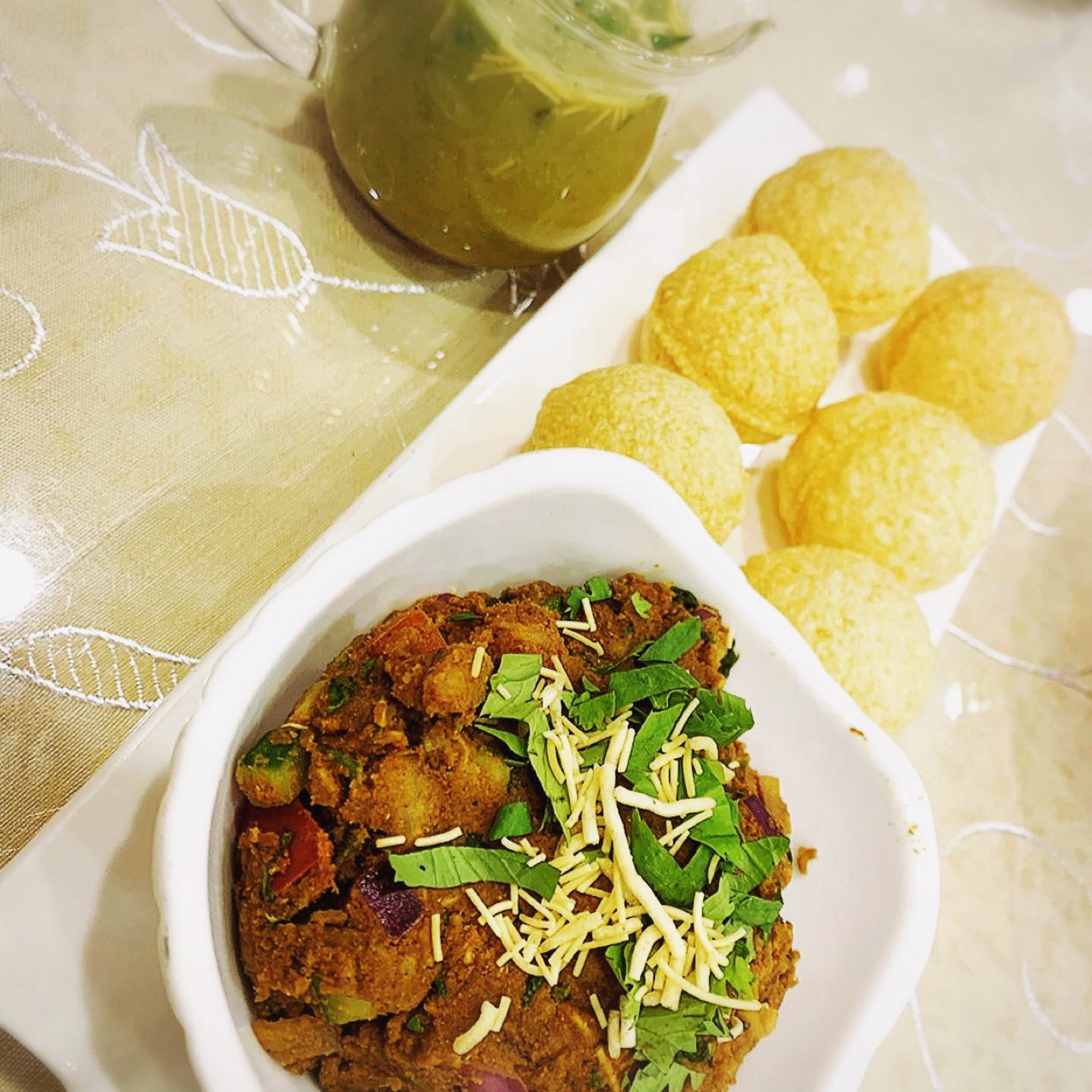
They also have paani puri and dahi puchka, two snacks I always order when they appear on menus. Paani puri requires you to break the fried puffs and put some curried potato and then spiced water inside before popping the whole thing in your mouth. Dahi puchka operates on a similar principle - liquidy stuff in a fried puff that you have to eat immediately - but uses spiced yoghurt instead of water and comes pre-filled.
Untitled


Plus, they have Kingfisher (when in stock) and falooda! Falooda you guys! Falooda! With its cold milky ice cream and chewy stuff reminiscent of shaved ice, I would assume this favorite of Iranian origin would be a hit in Taiwan but it's actually really hard to find. They have several flavors, including the classic rose (we tried mint and liked it).


Untitled


On our second trip, we went North Indian, and that was great too. We tried butter chicken - I always have to make sure the butter chicken is good - fish vindaloo and baingan bharta (baingan masala on the menu - it's mashed eggplant curry), with garlic naan. Of course, we always get garlic naan not only because we love it, but because I need to make sure that the naan is made with real garlic, and not that gross, sweet garlic spread. We had a paneer kulcha too, because I hadn't had a good kulcha in a long time.

All of it was excellent - again, the staff were attentive to our spiciness preferences, with the butter chicken being milder and sweeter as is usual. 


Untitled
This is the paneer kulcha, not the naan (the naan was also good)

The baingan masala was, if anything, hotter than the vindaloo, though we liked it quite a bit (maybe don't ask for this one at maximum hotness, it was almost at my pain threshold, and I have quite a spice tolerance). The vindaloo had clear garlic and vinegar undertones, as a vindaloo should. They make their vindaloo with tomato here - mine uses onions as the sauce base and contains no tomato - but a version that includes tomato version is acceptable.

All in all, a great choice. Perfect if you're in the area, and actually worth going to Neihu for if you're not. 

Restaurant Review: Oye Punjabi

Untitled


Oye Punjabi
#121 Yanji Street, Taipei
延吉街121號
Between MRT Sun Yat-sen Memorial Hall and Zhongxiao Dunhua (just north of Zhongxiao Road)


We stumbled across this place in our work neighborhood (I have several work engagements near Yanji Street and it's close to Brendan's main workplace) and are really happy we tried it out, as it seems to be relatively unknown in the Taipei Indian restaurant scene.

Of course, it has already been added to my Indian Food in Taipei page.

At Indian restaurants, we tend to order similar things so we can compare the same dishes across several purveyors (also, they happen to be our favorites). At North Indian places that usually includes a butter chicken - I was especially keen to order it as it's a popular Punjabi dish and this place has "Punjabi" in the name (Balle Balle is also explicitly Punjabi). The best I ever had was in Chandigarh (Haryana), an otherwise not-too-exciting city, though it has the Nek Chand sculpture garden which is pretty cool.

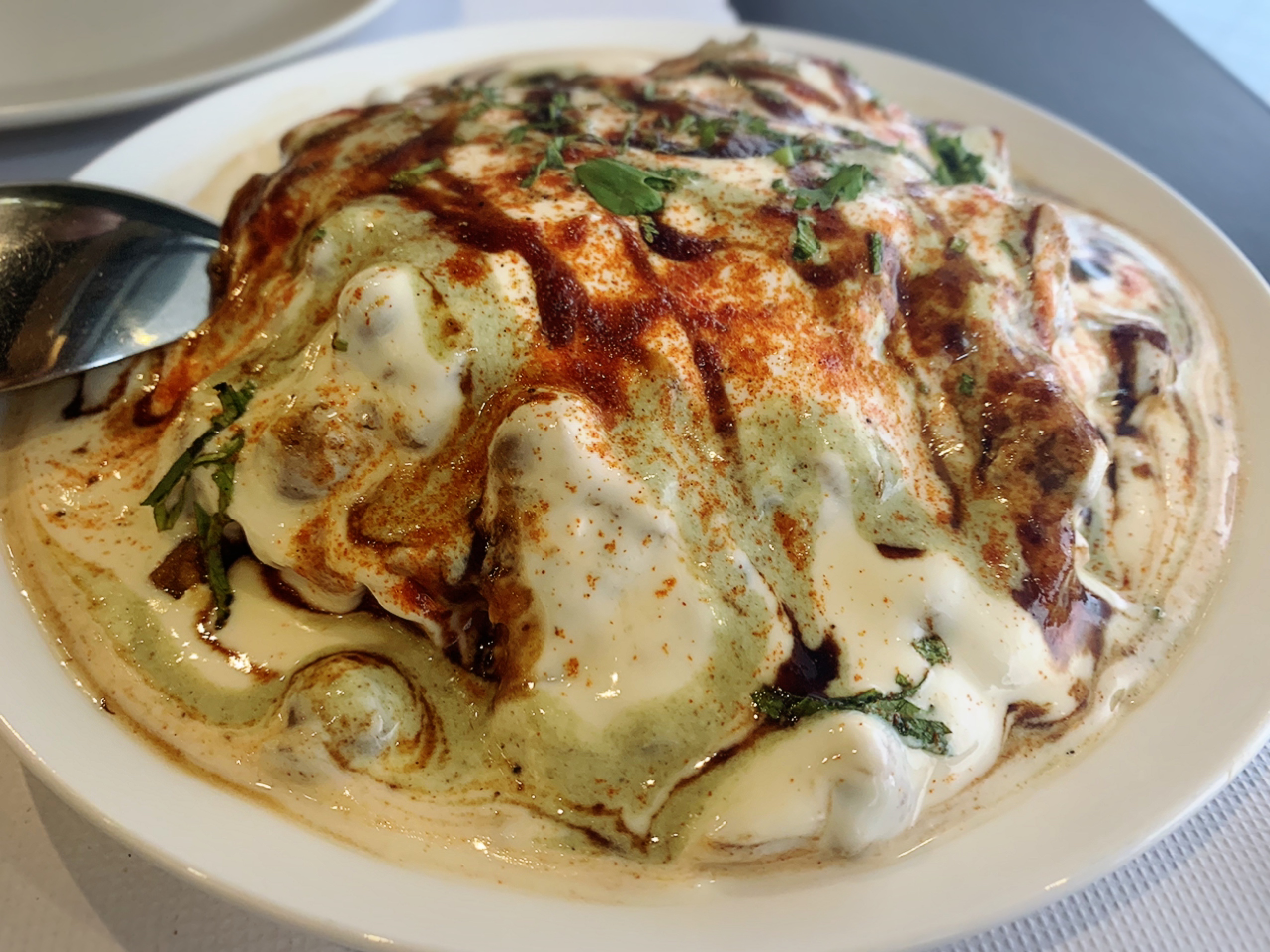
We usually get some sort of samosa appetizer - Oye Punjabi had samosa chaat (yay!) so we got that to start: 


Untitled


Chaat is a sub-type of Indian snack food, known for being tart (thanks to the amchur powder found in chaat masala) and using a variety of crunchy things, chaat masala with lemon, chutneys and yoghurt. You can sprinkle or cook anything in chaat masala - idli chaat, crunchy cracker-like rounds usually topped with more crunchy things (like puffed rice or sev), papadum, samosa chaat, bhel puri (a favorite)...and then douse it with the chutneys - usually standard red and green - and yoghurt.

I don't get to have samosa chaat often, and this did not disappoint. It was heavy on the chili powder, but that's a good thing, and the yoghurt was nice and tart.

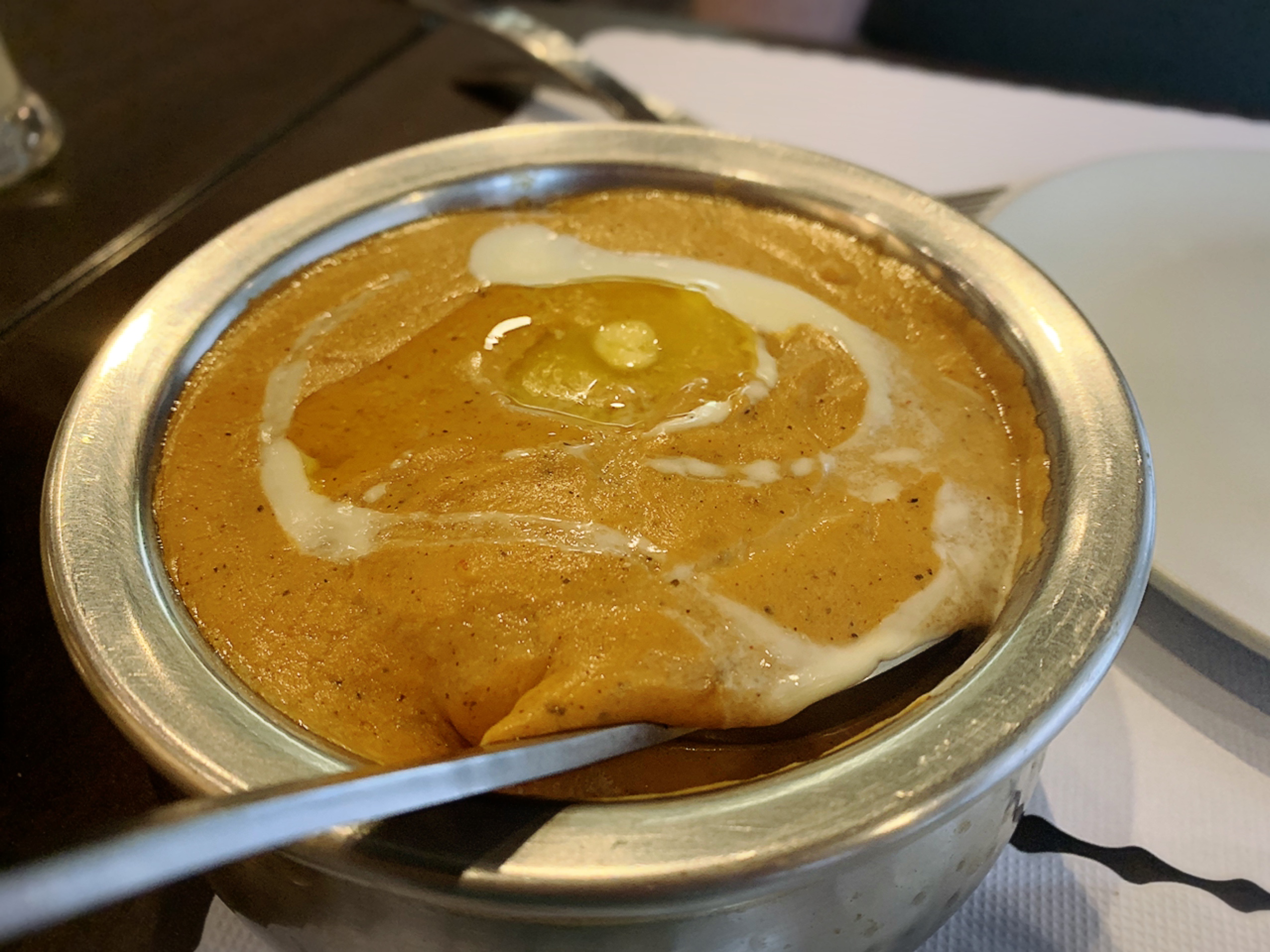
The butter chicken was creamier than I usually see, but as long as it has the requisite spice kick, I'm open to a butter chicken that goes for cream over tomato. The server (who may also be the proprietor, I'm not sure) asked us about our spice preferences in advance, which we appreciated. And she took us seriously - the butter chicken was mild and a bit sweet as it should be - and so creamy it almost reminded me of a sauce I might use for malai kofta - but had spicy undertones and a nice warmth. 


Untitled

Another thing I really liked about the butter chicken was that it used dark meat, but boneless. (Bone-in butter chicken is common, but much messier to eat. Lean butter chicken is possible, but tends to dry out as white meat often does.) The sauce serving was also generous, giving you something to really douse your naan in.

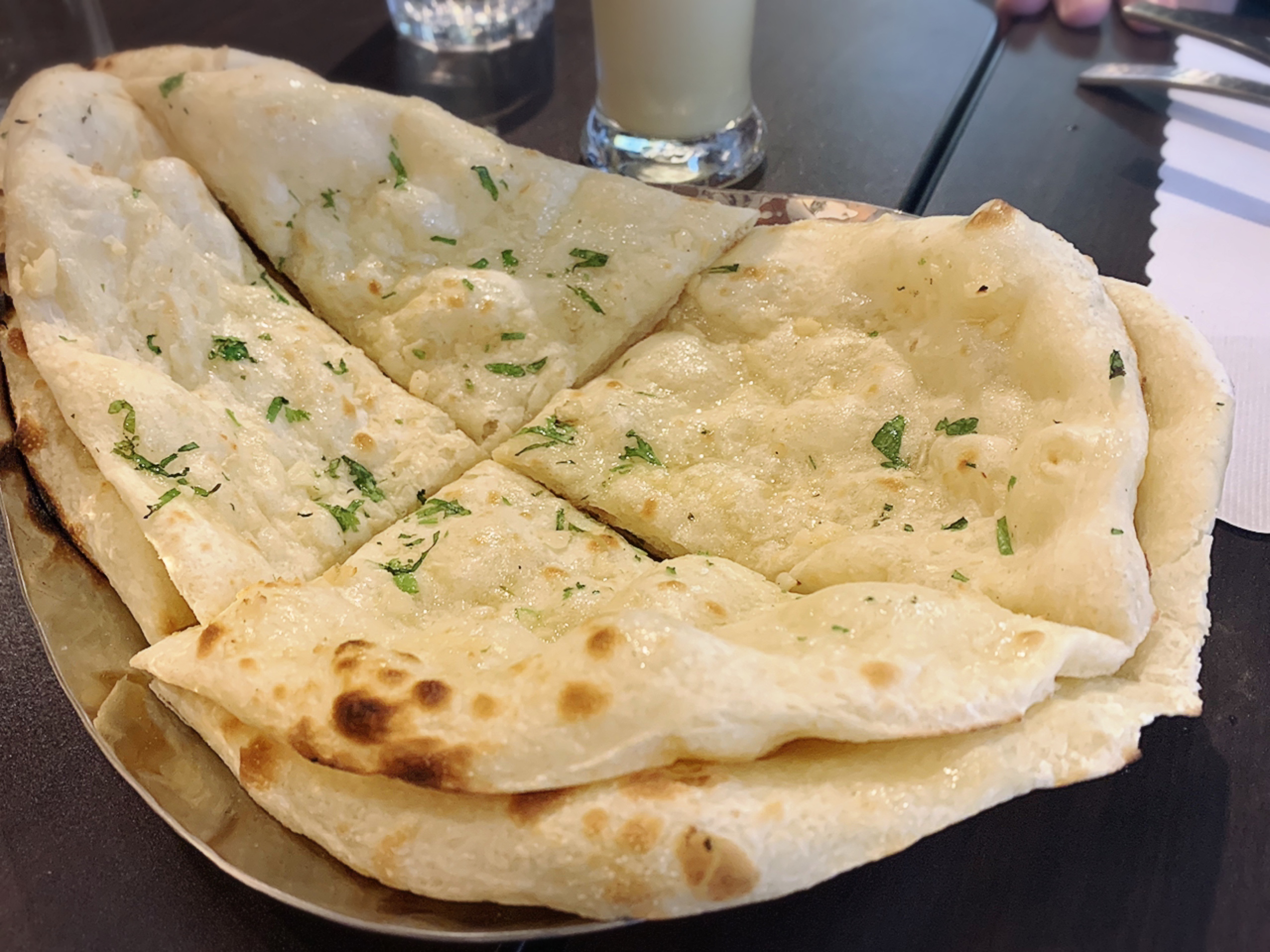
The garlic naan was good, and on the Q side (a bit chewy, which I prefer). Quite moist and they got the most important thing right - real garlic. 


Untitled


We went for palak paneer this time as we haven't had that in awhile. I tend to order it out because I can never get my own spinach to retain that bright green color (though mine tastes fine). The paneer serving was generous and it had a good spice level. Overall, I was happy with this (it's hard to wax rhapsodical about a dish as standard as palak paneer but trust me, it was good). 


Untitled


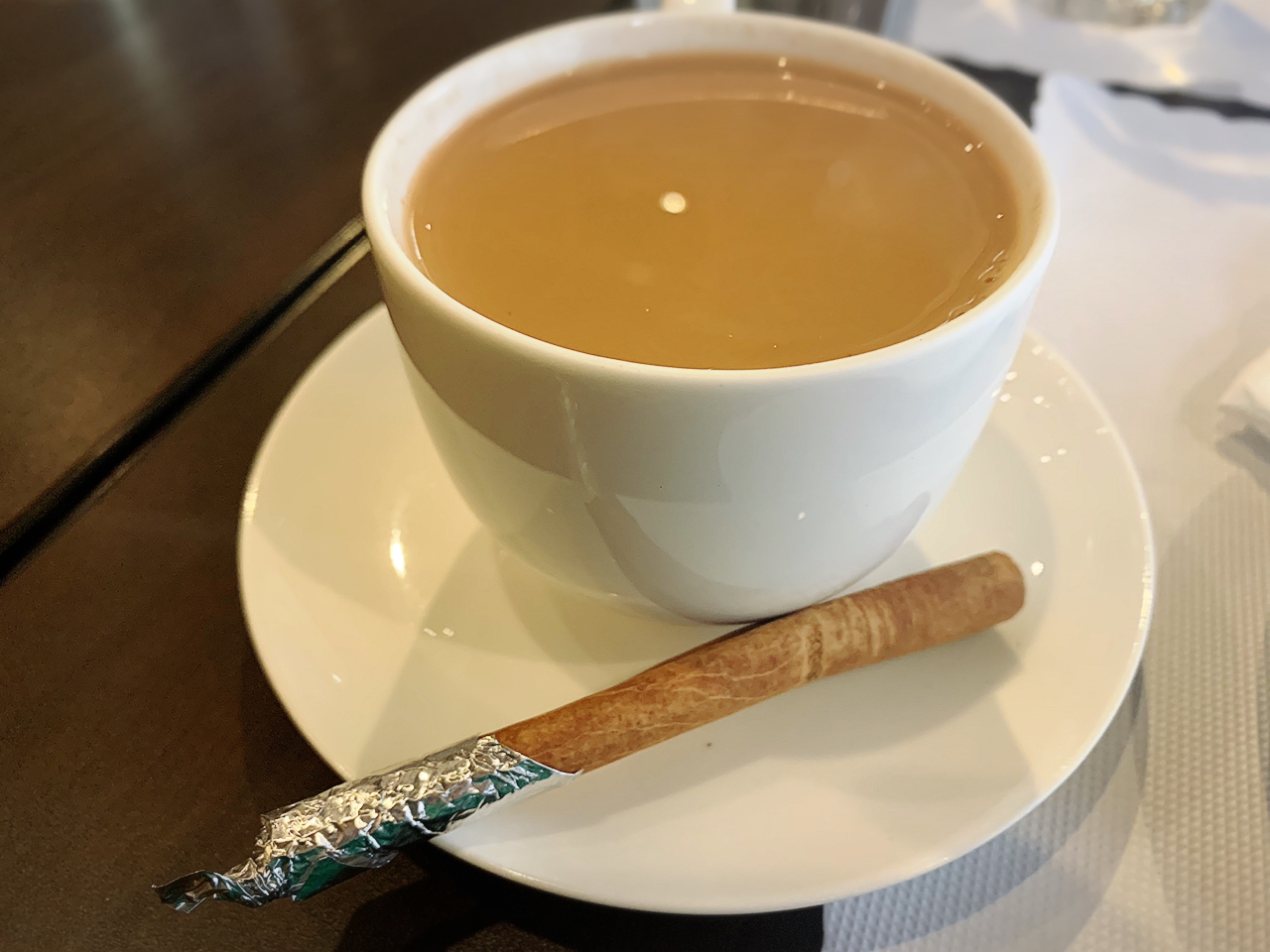
Brendan got a mango lassi which I didn't get a picture of, and I had a hot masala chai, which I drank as the pouring rain came in. It came pre-sugared to a perfect sweetness level, and with a cinnamon stick to stir in there as long as you like until you reach the desired cinnamon level. I like a strong cardamom flavor to my masala chai but the cinnamon stick was such a nice touch that I didn't mind that the main flavor of this cup was, in fact, cinnamon. 


Untitled


They have gulab jamun as well but we were too stuffed for dessert.

In addition to being conveniently located, it's also affordable (our entire meal came in at just over NT$1,200 which is a good price for that part of town).

All in all, we often meet in this neighborhood for lunch, and I'm sure we'll be putting this on our regular rotation (other favorites include Mamak, Burger Ray, Toasteria and Liquid Bread a little further down, and a few basic Taiwanese places).

Friday, August 16, 2019

In a move likely to anger China, Taiwan exists

data=RfCSdfNZ0LFPrHSm0ublXdzhdrDFhtmHhN1u-gM,lW5OWdj_i_BSAwa5GS2eUpX5AxzaSjBSyD06MOqEuQEJpIg7_-tMKtPbYbbKSwhMA7D0CXn55GUpkta1F58QzARfI4WxZDKI24fvHvZ18A4JwHX-8UzPGP0Ax7JYQBFxNxYGuT_2MazvoVxuQj3voxQaN_QW8E8SIjHwlljtche77xTCAAoOgXpHuo8V1yysmF8_P8Re5OKeA
Taiwan, which is 100% there

The Trump administration is moving ahead with for an $8 billion sale of F-16 fighter jets to Taiwan despite strong objections from China, a U.S. official and others familiar with the deal said Thursday.

The administration notified Congress late Thursday that it would submit the package for informal review, said the people familiar with the sale who are also aware that China is angered, because everybody is always aware of that. 

Lawmakers from both parties had questioned whether the White House would scuttle the sale because of China's decision to be angry, which they chose to be of their own accord due to the fact that there is an island off the coast of their country called "Taiwan", and it continues to be there. 

Amid tensions with China, the State Department told Congress to expect the arms package to be informally submitted to them by Friday evening, according to a U.S. official and another person familiar with the matter, also noting that Beijing was not pleased that Taiwan has apparently been there this whole time, possibly even before it was founded by Sun Yat-sen in 1911 or possibly Chiang Kai-shek in 1949. 

The Senate Foreign Relations Committee and House Foreign Affairs Committee would review the package. They are not expected to raise objections, unlike China, which always seems to have an objection even though Taiwan's current administration under President Tsai Ing-wen has made it clear that they have no desire to instigate conflict with China.

The people familiar with the proposed sale requests [sic] anonymity to discuss a sensitive pending deal. Neither the State Department nor the White House immediately responded to requests for comment. China responded that it had been angered, amid rising tensions. 

China claims Taiwan as a breakaway province, and last month accused the United States of a “vain plot” to arm the island. The Trump administration approved more than $2 billion in lower-level arms sales to Taiwan last month, and allowed Taiwan’s leader, who in fact does have a name, to visit New York.

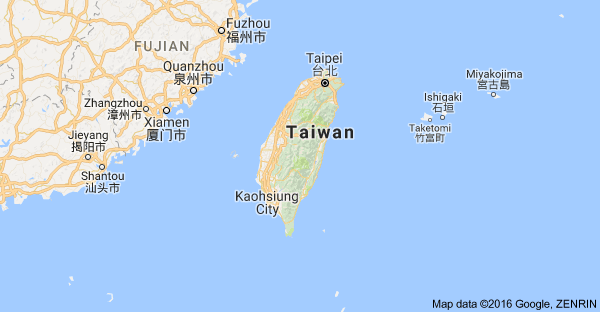
Taiwan is a 36,193 square kilometer island off the coast of China, which most definitely appears on maps and can also be visited. According to Americans who have been to Taiwan, it is very much a "place" which is "definitely in existence" and "there". The Chinese government does not rule Taiwan, and their current government never has, a fact that not only we seem unaware of as we never publish it in the Washington Post, but also a point the Chinese government itself also appears to be entirely ignorant of. This angers them.

Asked whether leaders in Beijing might consider anger management classes as they appear to choose anger so often and it "might be bad for their health" according to some all foreign officials, China declined to comment, but reiterated that it was "angry" and that tensions were "high". 


Sources knowledgeable on the topic confirm that, although China's anger is their own choice, they are highly unlikely to simply choose not to be angered, despite such a move being entirely feasible. 

China, on the other hand, claims officially that the anger is out of their control. 

"Why does Taiwan do things that make me so angry?" China said, after another day of Taiwan's existence. "I don't want to hurt Taiwan - I love Taiwan - it's just that I don't know my own strength, so Taiwan should be careful. But I love Taiwan so much...if she ever leaves, I'll fucking kill her. That's love."

Approval of the latest sale also comes amid pro-democracy protests in Hong Kong, a semiautonomous part of China, and fears that China could launch a military crackdown there. Such a crackdown could embolden Beijing also to confront Taiwan, which has a real government that functions and prints money and has a military and everything. 

Taiwan requested 66 American-made fighter jets, which lawmakers have said is a test of U.S. resolve. Taiwan has a population of over 23 million people, who are all individuals who were born and exist, whose opinions on any matter related to Taiwan we, at the Washington Post, appear never to have asked. We did however ask several China experts and foreign relations specialists based in Beijing. They were all very angry, citing "Taiwan" and "it existing" as reasons. 


The Chinese government accused the Trump administration of “playing the ‘Taiwan card” last month when Taiwanese President Tsai Ing-wen visited New York. Although it is unclear if there is indeed a card that can be called "the Taiwan card" or what it's made of - paper, wood, or any other material - "Taiwan" itself is indeed a mountainous island with a flat western plain which is not a card, but a place with its own society, culture, government and history, amid rising tensions. 

The People’s Daily newspaper, the mouthpiece of the Communist Party of China, wrote that Washington “should immediately cancel the planned arms sale to Taiwan, stop selling weapons to Taiwan and terminate military contact with Taiwan, and exercise caution and prudence when handling Taiwan-related issues to avoid serious damage to China-U.S. relations and cross-strait peace and stability.”

Nobody asked Taiwan or any Taiwanese media outlets what they thought. Although asking Taiwan what they think about arms sales is likely to anger China, sources close to China say it is "already angered", so further anger may not pose the risks that some analysts who have ties to China warn of. 


Trump took the unusual step of speaking by phone with Tsai in 2016 when he was president-elect, which rocked the delicate U.S. foreign policy stance called the “One China” policy, which it seems quite literally nobody in the US media seems to understand, as it did not actually do that at all. 

“Taiwan’s defense is intrinsically important to the United States, but the timing of this move, amid the trade war and major instability in Hong Kong, is exceptionally precarious,” said Evan Medeiros, former White House senior director for Asia in the Obama administration and a professor at Georgetown University,  in a quote that angered China. “It will make trade negotiations and managing the Hong Kong situation even harder than it already is. The whole situation can be summed up as 'tensions are rising amid rising tensions'."

It is unclear who is behind the rising tensions, but experts like Medeiros warn against drawing a straight line from China's anger to those tensions. "They're probably not related. You see, moves anger China, and tensions rise. That's just how it works."


"Please allow me to explain China to you further," Medeiros continued. "I can tell you a lot about China. They have a Great Wall and a lot of money. I don't know as much about Taiwan. Does that exist?"

Informed that it did, indeed, exist, and was actually quite economically and democratically successful especially given the odds stacked against it, Medeiros declined to comment further, amid rising tensions. 


He added that it would fuel conspiracy theories that the United States is behind the unrest in Hong Kong. These theories already exist and would have existed regardless of any US moves on Taiwan, but that apparently doesn't matter. 

Bonnie Glaser, senior adviser for Asia at the Center for Strategic and International Studies, was less perturbed. “China never likes U.S. arms sales to Taiwan,” she said. “Will they object? Yes. Is this going to trigger a crisis in the relationship? No. This in and of itself is not going to derail progress on a trade agreement.”

Tsai faces reelection next year and is casting her leadership as a counterpoint to an increasingly repressive and assertive mainland China. This has endeared her to Trump administration officials who are hawkish on China, but Trump’s own views are unclear.

This paragraph should clarify that Taiwan not only exists and has its own democratic political system, but that system differs from China. In fact, even mentioning that the two systems are entirely different is a move likely to anger China. 


Taiwan split from China in 1949 when nationalist leader Chiang Kai-shek fled from the Communists led by Mao Zedong and set up a rival government in Taipei. Before that, Taiwan had not been a part of China but did, in fact, exist. Its pre-1949 existence does not appear to matter, however, as it had been a territory of Japan for 50 years previously. Taiwan's existence only counts when it is in relation to China. Absent that relationship, it still exists, but is best not mentioned so as not to anger China.

Beijing continues to view Taiwan as a renegade state that will one day return to China. Although this is an odd perspective to take given that the People's Republic of China has never governed Taiwan, we always include it so as to anger China slightly less.

As of press time, Taiwan continued to exist and China continued to be angered. 

Tuesday, August 13, 2019

The Third Force we needed and the Third Force we got

Untitled
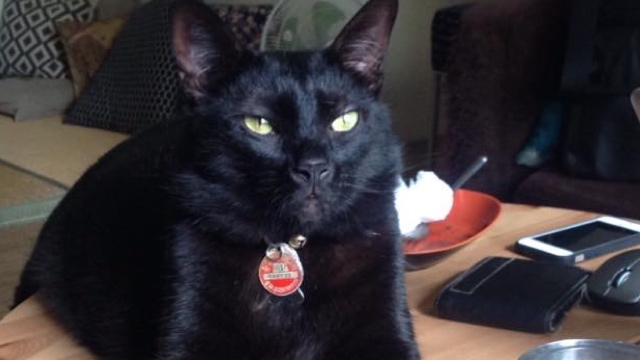
I have no cover image so now is a good a time as any to say that I think my cat looks like Huang Kuo-chang


I said I didn't want to return to party politics for awhile, and I meant it. But then in the span of about 24 hours, Handy Chiu resigned as chair of the New Power Party and legislator Hung Tzu-yung left the party in much the same fashion as Freddy Lim two weeks ago.

There is a lot of speculation floating around about the details of why the NPP seems to be in nuclear meltdown mode, and I'm not able to offer any facts that you can't find elsewhere. What I can offer is bare-faced opinion, so here we go.

In the post-Sunflower era, the nascent Third Force needed two things. The first was to have a more collective structure - lots of people who broadly agree working together with no one 'personality' taking over. The second was to balance idealism with pragmatism. While there are people in the Third Force who would agree with this, unfortunately, they haven't been able to steer the movement in that direction.

The leadership needed to be more pluralistic - at the very least, the stars of the Third Force needed to be people who specifically wanted to cultivate and mentor emerging voices in the movement, so it never got to be too much about a few luminaries but instead continually populated with emerging young talent and new ideas.

There are Third Force public figures who take such a goal seriously, including Lin Fei-fan, the new deputy secretary general of the DPP, who had at one point intentionally stepped out of the spotlight, prioritized connecting with democracy activists across Asia, has shown that the DPP is willing to work with Third Force parties, and has said publicly that one of this goals is to foster and promote new voices so it's not all about certain personalities. (I think that last bit is published somewhere, but regardless he said it publicly at a panel at LSE last summer, which I attended.)

I'd venture that Lim is another such figure - he has sought to work with other legislators in the NPP rather than seeking to control the narrative, has fostered talent within the NPP, and has eschewed power he could have easily grabbed (when Huang Kuo-chang stepped down as party chair, the job was his for the taking. He didn't take it.) He has a slick and well-managed PR machine, but he uses it far differently than Huang. Even Handy Chiu, who wasn't chair of the NPP long enough to make an impression, seemed to seek compromise, discussion and a shared spotlight.

That's the attitude the NPP - and the whole Third Force - needed.

Sadly, that's not what they, or we, got.

Next to these more democratically-minded figures, there's Huang Kuo-chang. I won't sit here blasting the guy, because I don't know him personally (we met once, but only very briefly). But just a quick skim of NPP-related news will make clear that Huang is not only a major personality within the party, but also has a tendency to dominate it. In his lengthy Facebook manifesto, Wu Cheng referenced this explicitly.

I can also say that Huang did (and does) tend to dominate the NPP decision-making process and it did (and does) turn people off. It seems to me - barefaced opinion here - that this is not just that they lack a consensus on better alternatives, but because Huang is a dominant, controlling person. He may have tried to temper this tendency by stepping down as party chair, but it doesn't seem to have worked, and has definitely driven good people away.

So, since the NPP's founding, instead of this lovely utopian vision of collective voices, it feels like there's been a tug-of-war over whether to work towards true consensus, or just let it be the Huang Kuo-chang Show. From whether to push for a host of referendums (too many to link here) that not everyone fully supported to the failed (and pointless) hunger strike to whether or not to cooperate with Ko Wen-je or other Third Force parties, to whether or not to support Tsai's re-election bid, it's been years of Huang wanting to run the show. From what people have told me, there's arrogance aplenty as well.

As you might expect, this has caused people to become disenchanted and walk away. (Lin Fei-fan has said that Huang was not the reason why he didn't join the NPP, and relations between them are strong. I can't say if that's true or just something you say on camera, but I'd argue it doesn't matter - the overall trend is there.) 


That leads us to the second thing the NPP needed to be, but ultimately wasn't: a vanguard for the Third Force that wisely mixed idealism with pragmatism.

I've already said that the central issue with the NPP is a divide not between who supports whom outside of the party, whether that's Mayor Ko Wen-je or President Tsai Ing-wen, or whether or not to push for more referendums or hold a hunger strike or whatever the current 'issue' is, but rather all of these disagreements fall along a fault line of often-foolish idealism (led by Huang Kuo-chang and supported by Hsu Yung-ming) vs. guarded idealistic pragmatism (led by Freddy Lim and supported by Hung Tzu-yung). I could give a hundred examples, but let's just talk about one.

Despite strong arguments for supporting Tsai, Ing-wen for re-election, the NPP was unable to reach a consensus, I gather in great part because Huang was just not having it (he did threaten to leave if the NPP became a 'little green' after all.)

But here's the thing - and I've said this before:

The true progressives need to...realize firstly that not that many Taiwanese are as progressive as they are and their ideas are not shared by a majority of the population. That means more needs to be done to win over society. It means teaming up with the center, even if the center is slow to act. Doing so doesn't mean you have to support the center indefinitely. 
Or, as a very smart friend of mine once said, activists have to realize that change won't happen just because they march, protest, strike, write and occupy. Change happens because they do those things, bring their ideas to the rest of society and show the establishment that their causes enjoy some popularity and can be winning issues. Activism needs friends in the establishment to get things done, and the more progressive members of the Establishment need the activists to get society to care about those issues. In Taiwan, the activists need Tsai, and Tsai needs the activists. 


We're at a critical juncture now, where it's not hyperbole to say "this is do or die for Taiwan". I'll write more about this later, but electing a pro-Taiwan president now, as China is ramping up its disinformation, election interference and aggression campaigns as well as activating its latent networks to bully Taiwan into the fold, is of urgent importance. The top priority now is simple: Han Kuo-yu must be stopped. Lim, Lin and others understand this, and are willing to set aside differences with the less liberal DPP, but Huang and Hsu don't seem to get it. They're clinging to this idealist notion that in 2020, it is possible to undermine Tsai but not have Han win. And that's just not the case. It's fine to keep criticizing Tsai and the DPP, but damn it guys, do that after she wins. 


We needed a Third Force, and an NPP especially, that understood this and took the right side when the chips were down. We needed them to see that Tsai may not be perfect and it's necessary to continue to hold her and her party accountable, but that it would hurt Taiwan far worse to enable Han to win, however indirectly. We needed them to understand that their energy is best spent trying to win people to progressive causes while supporting the best possible viable candidate and establishment ally, rather than assuming they can do what they want because their ideals are obviously the correct ones. (They are, but if most voters don't see it that way, it doesn't matter much, does it?)

Sadly, that's not the NPP we got, and it's unclear that such a consensus will arise from elsewhere. The idealists "won", if by "won" we mean "blew up the party so now it's just Huang And Friends". I don't see a party built that much around one not-terribly-likable personality, which keeps taking hard turns into unrealistic idealism, lasting particularly long. Personality-parties rarely outlast their key figurehead, and overly idealistic ones are likely to perish even sooner.

What have we got, then? A hobbled, bleeding NPP, a few scattered parties that occasionally work together, and a couple of popular legislators who are now independent.

I've said before that the question of whether the NPP would lose relevance if it takes an overly-pragmatic route of becoming a 'little green' by supporting Tsai and the DPP is a moot one: moving away from supporting the DPP at key junctures, turning instead towards more radical platforms, would render it a fringe party, and that's just another kind of irrelevance.

It looks, then, like they're gunning for irrelevance.