Tuesday, May 25, 2021

Vaccines, Sovereignty and the Hanging Thread

Untitled


In my last post, I explored how Taiwan safeguarding its sovereignty was a major reason why it could not simply accept vaccines from Shanghai Fosun, a Chinese company. Something about that storyline has continued to bug me, though: 

The other thing this article doesn't mention: according to Chen Shih-chung, the Taiwanese government hasn't received any official application to sell these vaccines in Taiwan. How can the government agree to offer a product if the company that wants to provide it hasn't even asked the Ministry of Health and Welfare if they can do so?


It's a bit of a loose thread. Why haven't they applied?

They say they've been "promoting these vaccines since last year" for Taiwan, but this is the first we've heard of them. I find it very hard to believe that this due to the Taiwanese media and government keeping quiet. What is there to keep quiet if Fosun never went through the proper channels to offer the doses here in the first place?

Although anyone with a healthy distrust of the CCP -- which ought to be everyone -- might be tempted to automatically reject any notion that vaccines of any kind from China are acceptable, it bears at least asking: should Taiwan accept this offer of vaccines given the very real threat facing the country?

This is a legitimate question, especially as the vaccines in question are not the ineffective Sinovac/Sinopharm vaccines, but the highly-regarded Pfizer/BioNTech ones. 

After considering that question -- not dismissing it out of hand -- I still believe we should not play China's game.

So let's start with the application that the Taiwanese government said it never received. Couldn't this all simply be fixed if Fosun were to go through the process as it's meant to be done? Why didn't they?

A partial answer is contained in a post I came across while writing my last piece, from an executive at Pfizer (it doesn't say that in his Facebook bio but it's easy enough to find out.) I didn't think about it much until today, but perhaps I should have: 

其實复星從德國進口的BNT162b2,可以循正常管道向台灣TFDA申請BNT162b2在台EUA,复星已經花錢買了輝瑞half-ownership 的data ,為查驗登記用的,不過一旦送了,复星和中國處心積慮吃台灣豆腐的政治操弄,一個中國的泡泡就會被吹破⋯⋯因為台灣「另一個國家」和港澳「地區」不同,所以biologic license submissions (BLA)   送案的程級不一樣,复星幾乎可以在港澳,經過較簡單的流程,很快直接送上市。但在台灣必須有各種疫苗(生物製劑)進口審查規範。基本上:复星BLA送案等同「外商」。 也就是說:中國复星=外商 ⋯⋯面對台灣是一個國家,獨立自主審查,那复星和中國辛辛苦苦經營吃台灣豆腐(一中泡泡)的目的就被吹破了!

不知道复星背後的大人態度如何?不過如果台灣要買,复星就得送。但是送了,「一個中國」泡泡就破了,所以复星不知道敢不敢送? 


Note: the original post has since been deleted (it probably got too popular for a pharma exec's comfort zone) but I think the snippet is useful, so I'm keeping it here.

I don't think I'm quite capable of a good translation so let me summarize the key relevant point. Basically, according to the contractual relationship between BioNTech and Fosun, the vaccine is an imported product from Germany, not a domestically-produced drug, so getting government approval requires the contracting company to purchase global research data that it can include in its application.

So far, China hasn't actually approved it for use in their own "mainland" even though Fosun has (presumably?) paid for this data already. However, it was a relatively simple process to offer it in Macau and Hong Kong, as those are territories of China. So, the licensing agreements and approval processes are at the regional/territorial level. 

Taiwan, on the other hand, has its own application procedures, which Fosun would have to go through to get it approved and distributed here. In addition, as Taiwan is a country, the licensing level -- the level of approval needed for biologics -- is different from Hong Kong and Macau. From Taiwan's perspective, not only is the vaccine itself an imported product, but Fosun is a foreign business, and has to go through the approval process as a foreign entity, not a domestic one.

Even if the BioNTech vaccine itself had already been approved, this particular batch would need to be tested as we can't be 100% sure it's not defective, and distributors need to be approved as well. This is why importing 'in parallel' (importing a real drug that has been approved, but not through an approved distribution channel) is considered the same as selling counterfeit drugs, even if the product itself is 'real'. 

Obviously Taiwan thinks this application procedure is quite normal, but to China, it might well be unacceptable.

If Fosun actually applied in good faith through the regular channels, it would be tantamount to admitting that they recognize that Taiwan is a nation with its own licensing and approval procedures, as evidenced by the level of submission required. There would be no way to do this while still pushing a "one China" narrative. 

That isn't great for China, which allegedly blocked the initial Taiwan/BioNTech deal, almost certainly so that it could then push BioNTech to include Taiwan in the deal it made with Fosun regarding Hong Kong, Macau and China. 

Taiwan never had any say in this deal, so as far as the Taiwanese government is concerned, it's meaningless. 

So rather than apply through regular channels to distribute these doses in Taiwan, China has chosen to kick up a media and disinformation firestorm to make the current government look bad.

Put another way, Fosun claims to be the distributor for Taiwan, yet never applied to distribute this drug in Taiwan. And yet the CCP is pushing the media and KMT to make a big stink about Taiwan not 'accepting' it.

It's convincing, too.  You're too passive! Don't Taiwanese deserve the best vaccines? Why should we settle for second-rate AZ doses? This is all political, you just don't want to buy from China! are all extremely persuasive arguments in a time when people are anxious and stressed out. 

Much better to not apply, wait until the expiration dates are near to create a sense of anxiety -- you know, hurry now or you'll lose this hot deal! Your window of opportunity is closing fast! -- then get your media and KMT muppets in Taiwan to kick up a fuss that precious time is being wasted and Fosun has been "promoting" these doses "since last year", even though nobody in Taiwan has heard anything (?) about them until recently. 

That's highly suspicious. Would you trust doses offered to Taiwan under those conditions? Because although I do speak from a place of privilege (I've had my first dose of AZ), I wouldn't. 

Why, then, doesn't Taiwan reach out to Fosun and invite them to apply? Then we could test the product here and decide if it's safe. 

There are a few reasons why that's not a good idea: 

First, regarding vaccines, Taiwan doesn't approach brokers (I also believe this is a general rule, but don't take my word for it). They approach original manufacturers such as BioNTech. 

These processes aren't particularly fast, and they're difficult to expedite. The laws are quite clear (I've spent enough time with pharma people in Taiwan to know that, and that the Taiwan FDA does not play around with drug approvals.) Approvals take months, not weeks; companies celebrate if they can shave such approvals down even by a fairly small margin, and doing so takes a very convincing case. 

With rumors flying that these particular doses are defective -- again, I can't verify this so please don't take my word for it -- there's no convincing reason to expedite approval. In fact, there's a very good case for applying extra caution. 

In other words, ignoring all of China and Fosun's political games, by the time those doses could possibly get approved, they'll be expired.  The only way to avoid that is to circumvent the approval process completely. 

This is exactly what China wants, because China's approved them in Hong Kong and Macau -- their territories. Allowing that approval to include Taiwan (which I believe is what the China-negotiated contract with Fosun says) without Taiwan doing its own legwork is functionally the same as allowing China to treat Taiwan as a region or territory under its control. 

What's more, by the time they get approved, all of the other vaccines Taiwan has coming its way will already be here. The sense of urgency to get these particular shipments is fabricated. Yes, we need vaccines as soon as possible, but we were never going to get these particular ones faster.

In other words, if you believe Taiwan should do everything in its power to get those doses, congratulations, you've just sold out Taiwan's sovereignty.

It also raises the question of whether approval now would allow Fosun to sell this vaccine in Taiwan long-term; short-term approvals do not exist as far as I know. With Fosun claiming it intends to manufacture this drug in China at some point, it's worth considering whether we want to take the risk that a China-produced vaccine could end up in Taiwanese arms.

And this is leaving aside the fact that this is only an issue because China decided to make it one. Taiwan had a deal with BioNTech, and China wrecked it just so it could pull this stunt. Even if we ignore that playing China's game means letting China win, you can't ignore the very clear national-level processes that make this deal a non-starter. 

Another reason not to trust these doses is that accepting "one time only" that China can push Taiwan around opens the door for them to do it again. China believes this is the way it should be; they won't treat it as a special circumstance. They'll go back to all their international business partners and point out that they've successfully negotiated for Taiwan before -- which would be true if we allowed this -- and convince them it's acceptable to do again. International businesses are already quite happy to bend over for China, so this won't be difficult. There is absolutely no way to win this: the only way to win is not to play. 

The final reason is quite simple: Taiwan has its own vaccines coming, either domestically or through foreign agreements.

The Fosun/BioNTech doses were never going to make it here in time, and other options will be available soon. This was never anything more than a chimaera, a disinformation attack. Don't fall for it. 

So, again, here's what I think is going on: 

China doesn't care whether Taiwan gets them or not. If Taiwan accepts them on China's terms, then China wins. If Taiwan rejects them and the outbreak rages, China still wins.  They waited for an opportune moment to make it seem like China is trying to "help" Taiwan, and allow the media to again attack Taiwan for obstinately refusing this "help" with an issue that only exists because China helped create it. 

If China did genuinely intend for Taiwan to receive vaccines, rather than playing politics, it should have just applied to do so properly. Or it could have simply not stood in the way of Taiwan acquiring vaccines on its own.

China didn't do either of those things, and that tells you all you need to know. It's playing with smoke and mirrors, not making a genuine offer. 

This is all a media stunt -- block Taiwan's own vaccine acquisition efforts, and then allow the media to do what it does best, and blame Taiwan for problems China foisted on it.

I don't think China intentionally let a stockpile of vaccines near their expiration date as some sort of deep-level conspiracy to smear Taiwan's reputation. Rather, I think some of the more competent hatemongers in the CCP saw an opportunity and ran with it: Taiwan's outbreak, its currently rather low supply of unpopular vaccines and the fact that more vaccines might not arrive until later this summer at the earliest all provided them with a window to attack Taiwan right when it was weakest, and use something it already had on hand -- expiring doses that Hong Kongers don't want -- to make the government look bad. 

In other words, China and their various allied sellouts in Taiwan are making it look like Taiwan is faced with a closing window of opportunity -- act fast or these vaccines will be GONE GONE GONE! -- when in fact China's the one with the closing window. 

Anyone in marketing knows this game: the false sense of urgency created to get you to ACT NOW! is actually fulfilling a need on the creator's part, not the customer's. 

Taiwan will get this outbreak under control, and it will gain access to vaccines, either domestically or through other foreign partnerships. The only time China could have possibly acted was now, and they did. This opportunity will soon disappear, and they know it. 

China is also foisting the "playing politics" smear on Taiwan to cover for its own actions. China's attempts to block Taiwan's own vaccine acquisition programs not only endanger Taiwanese and international public health, they are intensely political. They're using any leverage they can find to try and discredit the Taiwanese government. When the government pushes back and refuses to budge on critical issues of drug safety and national sovereignty, the CCP and their associated mouthpieces (including the KMT) use that to accuse Taiwan of being the one to "play politics". 

But of course, it is precisely the opposite. It's gaslighting to the utmost degree. They make it sound like Taiwan is playing with people's lives, when China's the one doing that.

To sum up, the question of whether these Fosun vaccines should be acquired by Taiwan is legitimate. It deserves some inquiry.

But ultimately, I strongly believe the answer is "no". In fact, I don't even believe it would be possible to do so if we wanted to. 

All that's left, then, is the media stunt. The attack on Taiwan's government, to make it look "passive". 

In short, and highlighted for emphasis:

I'm highlighting this for emphasis:

China created the problem by blocking BioNTech's deal with Taiwan. It then allowed a Chinese company to negotiate with BioNTech for "rights" to Taiwan distribution, without asking Taiwan.

Then China stepped in to offer a solution to the problem it created: allow us to treat you just like Hong Kong and Macau and circumvent your own government's regulations and approval processes, and you can have these vaccines which we blocked you from obtaining independently.


Then China created an extra sense of urgency, got their political and media puppets in Taiwan to scream at the government over it, and put all the blame on Tsai and the CECC.

It was always a game. Don't fall for it. 

Monday, May 24, 2021

Taiwan's problem isn't vaccines -- it's China (or: Reuters Sucks Again)

Untitled

Lizards try to hide, but you can see them if you look closely


There's a big stink right now about Taiwan refusing BioNTech doses from Fosun, a Chinese company. To show you what's going on, allow me to deconstruct a half-assed Reuters article which is basically just copied from Xinhua (a propaganda arm of the CCP, not an actual news organization). 

This propaganda garbage from Beijing with no Taiwanese perspective whatsoever starts here:

Fosun signed a deal with BioNTech to exclusively develop and commercialise COVID-19 vaccine products developed using BioNTech's mRNA technology in mainland China, Hong Kong, Macau and Taiwan.

BioNTech's development and distribution partner for the rest of the world is U.S. firm Pfizer Inc.  


What they don't say: why on Earth would anyone believe a Chinese company had the right to ink a deal with a foreign company over distribution rights in Taiwan?

Imagine if an American company signed a deal with a Swiss company to be the sole distributor of a product in Canada, without ever actually asking the Canadian government. 

Of course, we know why they did this: to try and force Taiwan to accept a Chinese-made deal, as though Taiwan were a part of China and had to abide by whatever contracts China signed. 

Is it any surprise that Taiwan is resisting this?

This isn't clarified in the Reuters piece because the quotes are lifted from Xinhua, the CCP's main propaganda outlet. The Reuters copy barely reads as original work. 

As a Facebook friend noted, Fosun doesn't produce this vaccine. They were provided with a huge number of doses -- or the option to buy them, it isn't clear -- and have said they intend to produce it locally in the future, but as of now they have access to millions of doses they cannot sell in China, because they're not licensed to. This is because China is sore that the rest of the world doesn't want its crappy domestically-produced vaccine -- it's a pride issue, they don't want to admit that the European vaccines are far better. 

Notably, the original deal appears to include doses for Hong Kong and Macau, not Taiwan (I've also asked around my local network as I know a lot of pharma people, and I'm not the only one who's noticed this).

Why was that deal later changed to include Taiwan (which I am quite certain happened)? Nobody seems willing to say, and Reuters doesn't seem particularly interested in finding out.

They do seem to be rather interested in what Fosun chairman Wu Yi-fang told Xinhua, however:


Wu said certain groups in Taiwan he did not name had been in touch for an emergency purchase of vaccines and the company was willing to "provide vaccine services to Taiwan compatriots".


"Taiwan compatriots" are not a real thing, but I digress.

Who are those "certain groups"? There is another name for them: compradores. Basically, rich Taiwanese business assholes who are willing to sell out their country so they can get richer. They probably stand to make a lot of money off of this Fosun deal. I've had personal run-ins with such people, and simply calling them "business assholes" is about as nice as I am able to be. Taiwan would be better off without them; I wish they'd just go live in their ugly mansions in China and leave this country alone.

In other words, "certain groups" is a phrase doing a lot of heavy lifting here and I'm not sure Ben Blanchard, Lincoln Feast and the Beijing newsroom are aware of it. 

It doesn't take a huge leap of logic to figure out which "certain groups" pressured which officials to include Taiwan in this big Fosun/BioNTech deal. I know "follow the money" is a cliche, but come on. Follow the damn money.

Did Reuters call a single soul in the Taiwanese government to ask what Taiwan's view of this was? 

I bet you an ugly mansion in China that they did not. 

Since last year, Fosun has been promoting vaccines for Taiwan, Wu said, adding they hope shots can arrive on the island soon to help prevent a resurgent spread of the virus.


If China really cared about getting vaccines to Taiwanese they would not have blocked the deal Taiwan was trying to make with BioNTech to begin with, you business asshole. 


Fosun did not immediately reply to a Reuters request for comment.


So, Xinreuters, when Fosun didn't call you back (and you knew they wouldn't), why didn't you call up any of the myriad people in Taiwan who would have talked to you about this country's perspective? 

Taiwan's government has said it is talking with BioNTech rather than Fosun, and that the two sides were on the verge of announcing a deal in December when BioNTech pulled the plug.

Taiwan has implied China was to blame for the failed deal, while China has blamed Taiwan for trying to circumvent Fosun.


Taiwan never agreed to be serviced by Fosun, and China has no right to force them to be. That's not "circumventing", just as I am not "circumventing" FamilyMart by going to 7-11 because I think their fantuan are better.  

The other thing this article doesn't mention: according to Chen Shih-chung, the Taiwanese government hasn't received any official application to sell these vaccines in Taiwan. How can the government agree to offer a product if the company that wants to provide it hasn't even asked the Ministry of Health and Welfare if they can do so?

It's almost as though Fosun, like the CCP, is pretending the Taiwanese government simply does not exist, while at the same time painting it as the entity creating obstacles.

In essence, it's a way of trying to force the Taiwanese government to accept, through backdoor maneuvers, that China has the right to negotiate for it.
There's another piece of information that doesn't quite fit neatly anywhere but I believe should be included: a Taiwanese company (Dongyang) was at one point looking into becoming the Taiwan distributor of this vaccine. There were questions about the cost, which the company would bear, compared to the quantity they'd acquire, and Dongyang pulled out. Was the markup too high, and if so, why (the article mentions that Chinese companies have a lot of power and this might have had something to do with it)? Should the Taiwanese government, knowing vaccines were needed, have stepped in and borne the costs? Was pulling out of the deal a mistake and if so, whose? 

I don't have answers to any of those questions, but it's worth noting that Fosun was not always considered by anyone to be the only possible distributor for BioNTech in Taiwan.

Finally, while all of this has been going on, Zuellig Pharma -- a company with offices across Asia, including Taiwan -- announced a deal in late April to supply much of Asia including Taiwan with the Moderna vaccine. The idea that Fosun is the only pathway to mRNA vaccines for Taiwanese is simply false, but Reuters doesn't seem particularly interested in that, either.

Of course, this has made its way into the Taiwanese Fake News for Aunties and Uncles network. Various critics -- including former KMT legislator and unificationist trashbag Tsai Cheng-yuan (Alex Tsai) called Chen "too passive", saying he has a "bad mentality", that he buys "inferior vaccines" (the truth is that Taiwan purchased the vaccines that were actually available to them). 

They cry out, "do Taiwanese only deserve inferior vaccines?" and point to the fact that currently, the Fosun vaccines are in fact made in Europe, not China (for now). Of course, critics neglect to mention that that might not always be the case.  

Apple Daily added that DPP legislator Wang Ting-yu is saying these doses are mostly set to expire in June or July and that Hong Kongers don't want them. There are rumors that they're defective reported by both Apply Daily and UpMedia, I can't verify the veracity of that accusation. Let's be clear: this could be fake news. Others have said the expiration is September -- the different dates are probably related to different batches.

That Hong Kongers don't want vaccines has been true for awhile, by the way. It's not vaccine hesitancy, as BioNTech is available. One does not need to get Sinovac (though about half the doses available are Sinovac, so someone has to get them and I wouldn't want it to be me). The trust issue is not with vaccines, but with the government. I don't blame them. If the Chinese government told me I needed to do something, I would endeavor to the best of my ability to do the exact opposite. And I love vaccines: I got AZ voluntarily! 

This has trickled down into my local community. I don't go out much due to the recent outbreak, but I do get electro-therapy on my back. While there, various aunties and uncles at my rehabilitation clinic have been complaining that Taiwan should just buy these vaccines. From the media, they seem to have the impression that it would be an easy negotiation for safe vaccines and Chen and "the DPP" are just being obstinate.

Chinese media seems happy to perpetuate this and make it seem like Taiwan simply doesn't want to buy from a Chinese company. And there are media consumers in Taiwan who are lapping it up. People are worried about this outbreak and looking for reasons to criticize, and to be fair, the CECC has not come back with a strong campaign to clarify the issue.

Of course neither the KMT (though they are not the only critics) and the CCP are ignoring the fact that 'taking' these doses -- and how would the government even so that if Fosun hasn't applied to offer them here? -- would be a de facto abrogation of Taiwan's sovereignty. It would, in effect, be admitting that the Chinese government has the ability to preside over a deal made with a Chinese company to distribute vaccines in Taiwan, and at no point do any Taiwanese officials need to be involved. 

You do see how that is an impossible path for Taiwan, yes?

It's not a surprise that Alex Tsai is a sort of compradore, or at least compradore-adjacent, and the KMT and CCP are essentially in cahoots -- at this point I consider to be the KMT a puppet or wholly-owned subsidiary of the CCP -- so of course this is how it would play out.

Let me summarize for you what I think is really going on here: 

China is looking for ways to maximize vaccine diplomacy but is aware that it's domestically developed vaccine isn't very effective, and isn't wanted by the rest of the world. They know perfectly well that Taiwan won't accept it either. Some business assholes stand to make a lot of money if a company like Fosun can acquire and sell millions of vaccine doses, or produce it locally. 

So they inked the deal with BioNTech, but pride kept China from actually allowing these doses to be offered. So they played a long game of acquiring them "for Hong Kong and Macau" while quietly pushing to end Taiwan's own deal with BioNTech. After that succeeded, they quietly added Taiwan to the list, without actually talking to Taiwan. In fact, Taiwan might have always been the goal: not only does "refusing" these doses they were never officially offered make Taiwan (and the DPP) look "passive", but if Taiwan did accept them, they'd be basically abrogating their own sovereignty. 

Or, perhaps, faced with an oversupply of vaccines Hong Kongers don't trust for a variety of reasons, they decided to use them in a campaign to attack the DPP's image. Or maybe they haven't actually acquired the vaccines (there's no confirmation the doses are in Shanghai) but are using this as a way of stirring up an anti-government media frenzy in Taiwan, with their KMT friends helping out. But this is a weak and slimy argument if the doses aren't even in China, and we don't know that they are.

Either way, China wins.

So now, China can try to claim the "high ground" by saying they have good vaccines from Europe and want to help, but obstinate, difficult, troublemaker Taiwan doesn't want them. They make it sound humanitarian, but of course, they're the ones who blocked the initial deal.

And this isn't even getting into the question of whether anything sent over by China is trustworthy. I wouldn't take an injection offered by the CCP, even if they say it came from Europe. Would you?

They ensure this makes it into the Taiwanese news by getting some of their KMT muppets to make emotional arguments at a time when Taiwanese citizens are feeling ignored by the world, distrustful of the AZ vaccines available, worried about the current outbreak, and wanting someone to blame. What worried news watcher wouldn't be moved by an outcry that Taiwanese deserve the best vaccines available at such a stressful time?

(I will not go so far as to imply that the CCP engineered the outbreak in Taiwan. Not that they wouldn't try; they absolutely are that evil. I'm just not convinced they're quite that competent and the Novotel/Wanhua teahouse sources of the outbreak are plausible and likely.)

These same news reports elide the fact that a lot of people are looking to get very rich, a lot of the sovereignty issues are not being reported on accurately, and neither the Taiwanese nor the international media seem interested in reporting the whole story. 

In fairness, the government has made some mistakes with Taiwan's pandemic response. Frontline workers should have been encouraged more strongly to get the vaccines available. Pilots should not have been given shortened quarantines. We had a year to figure out how to do mass rapid testing should the need arise. But I would give Taiwan an A (not an A+) on its overall response, while the rest of the world gets a C, D or F. And although mistakes have been made, this is not one of them.

In other words: shame on you, Reuters, and your "writers" in the Beijing "newsroom".

Saturday, May 22, 2021

Eating The Valley (The Southern Bits)

Untitled


As I've said before, when I do travel posts I try to focus on some specific thing of interest rather than just publish an itinerary. Most recently, I focused simply on how much the KMT sucks in relation to a trip to Green Island. That's relevant to this post: that trip was the second half of this one.

This time, I want to talk a little bit about food. 

I noticed when looking for places to eat in the East Rift Valley that some of my friends knew a lot of great spots, and others none at all except perhaps that famous railway bento at Chihshang -- which I've still never tried. Most food recommendations seem to be for the northern end of the valley, closer to Hualien, not the southern bits.

The Hualien side also seems to be where most of the well-known Indigenous cuisine is. As you head south, the Hakka cultural influence becomes stronger, which is reflected in the large number of Hakka restaurants. (The other side of the mountains, where the coastal road runs, seems to have been overrun from Donghe to Dulan with foreigners, so that's where you should head if you want Western food). 

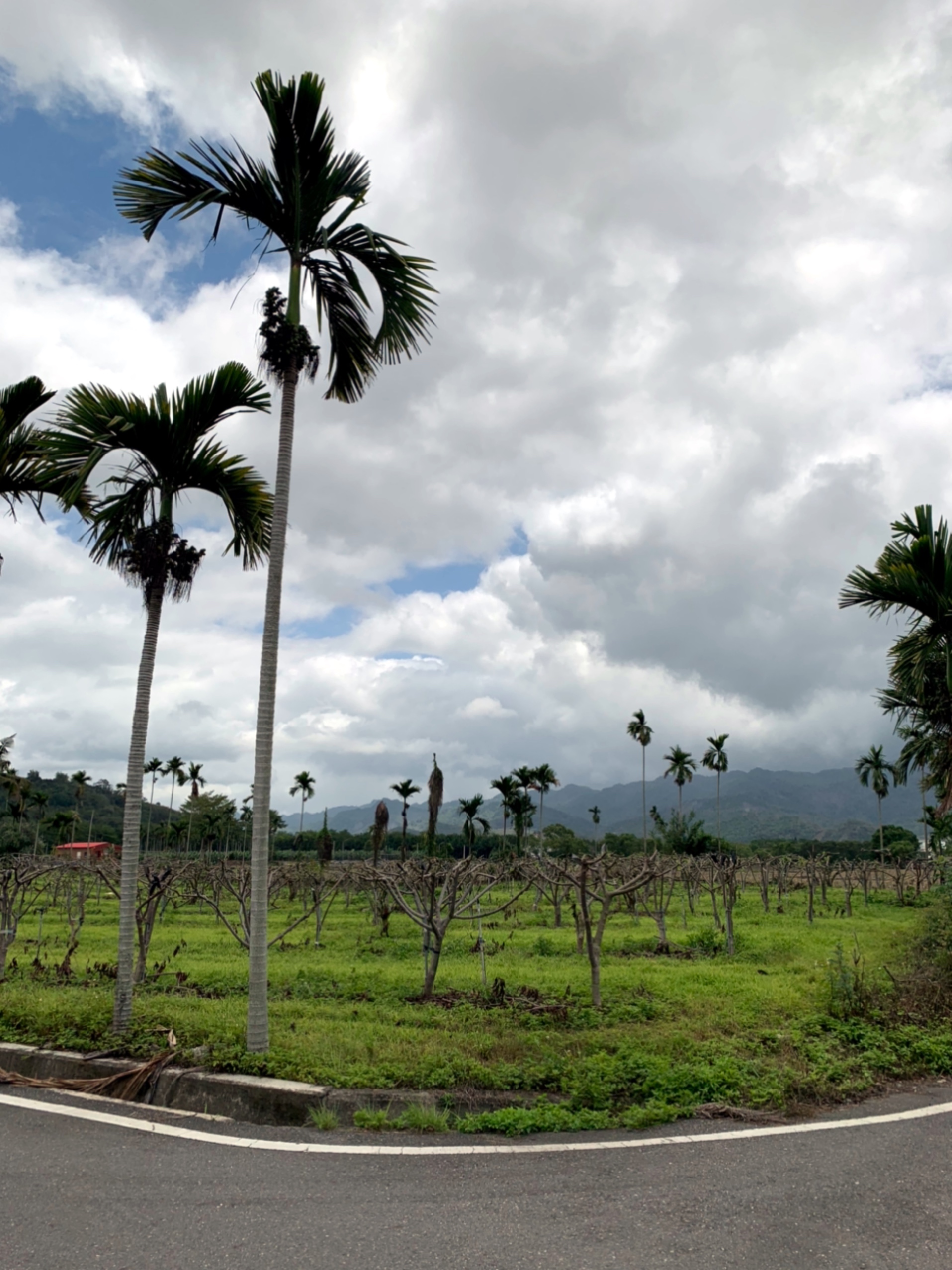
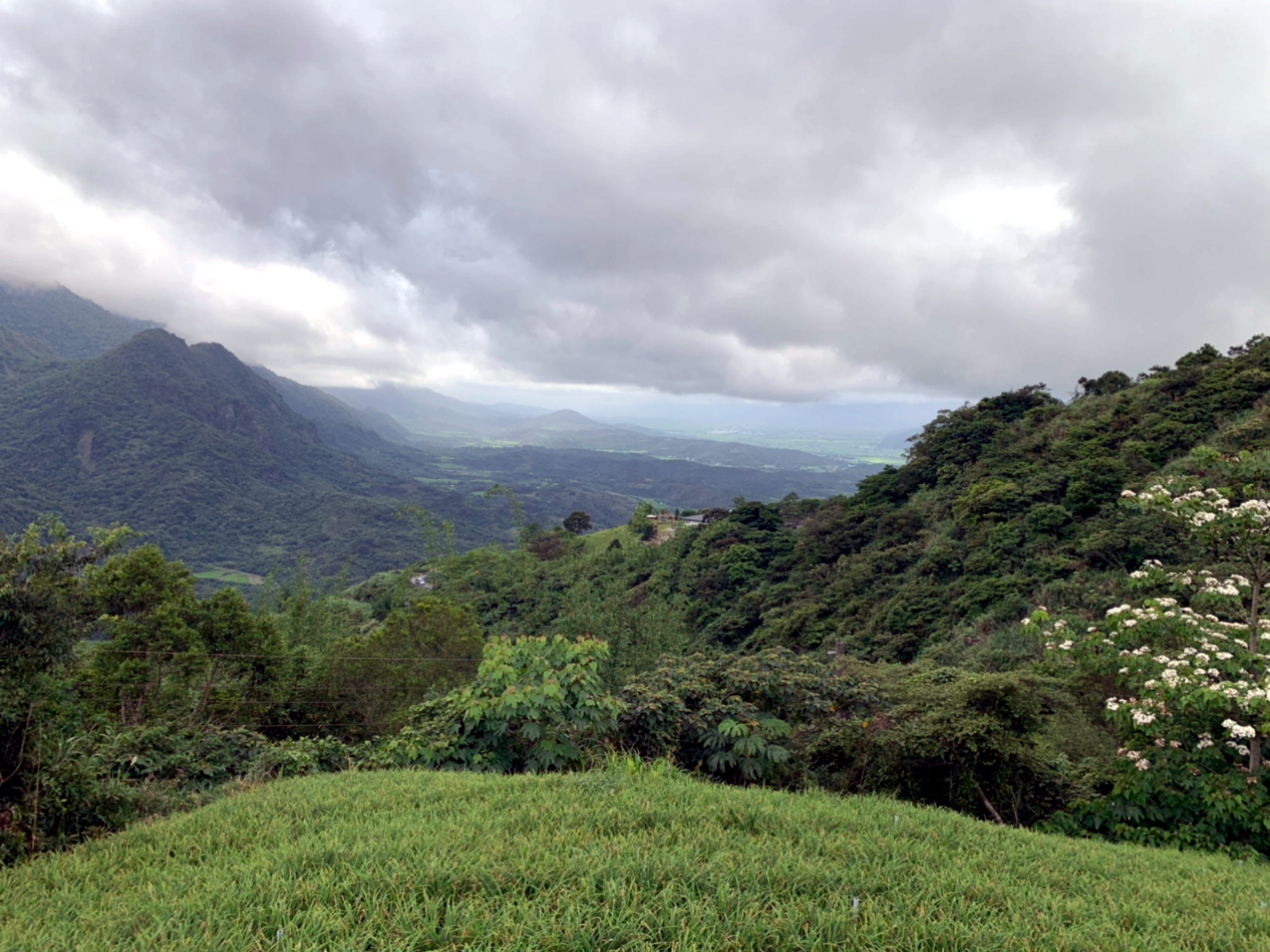
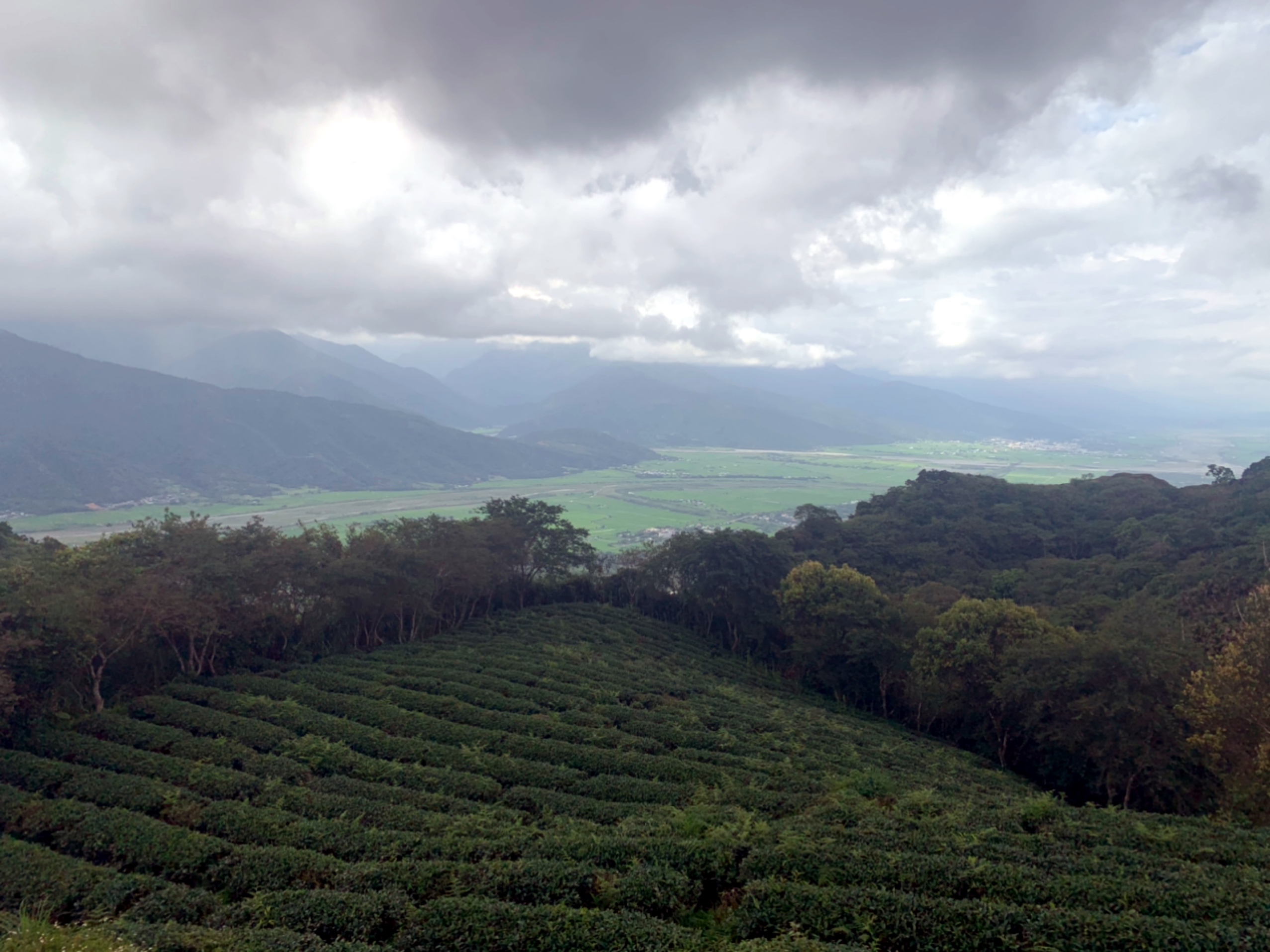
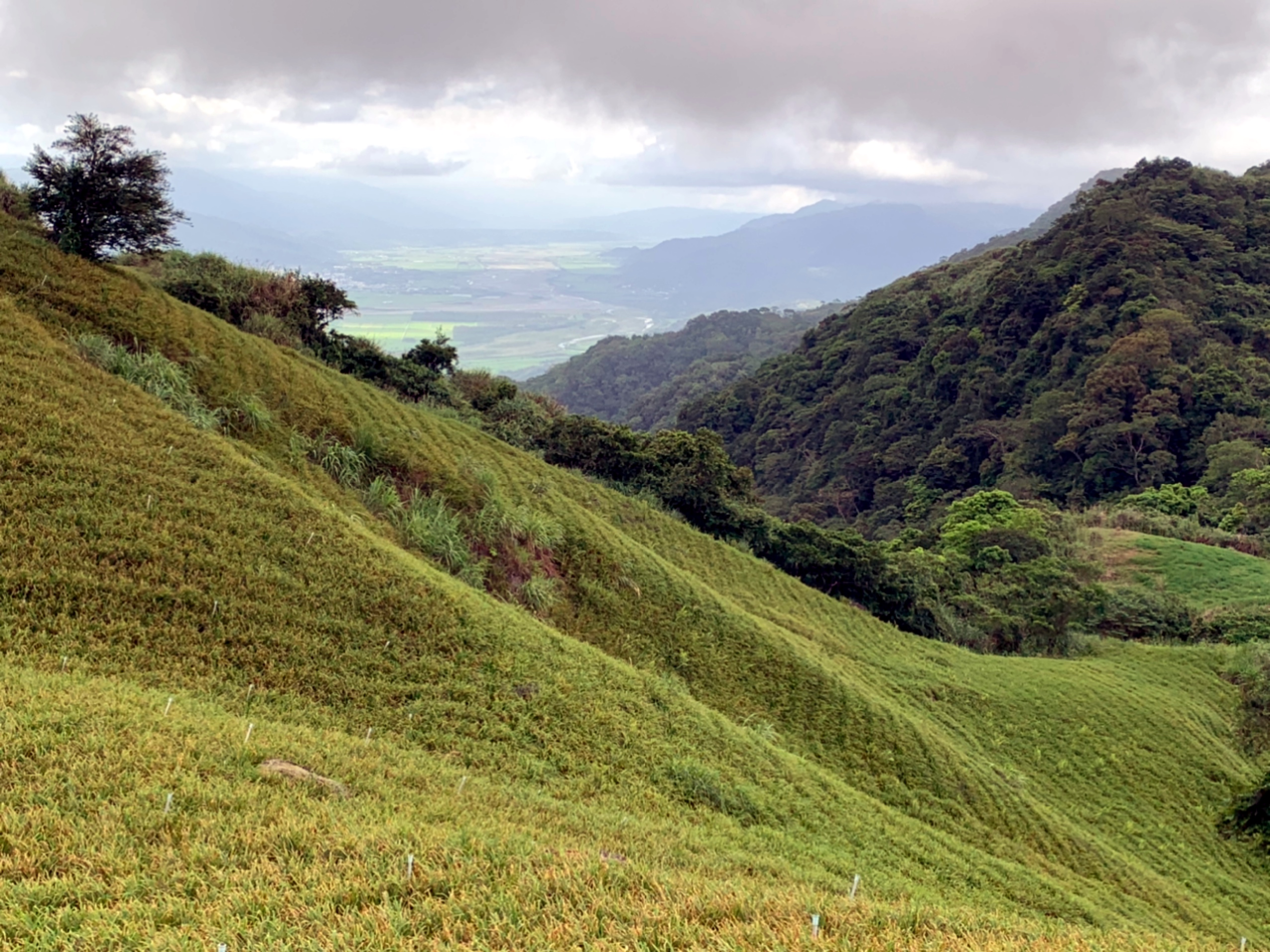
So, I thought it would be useful to talk about our driving trip through the southern reaches of the valley mostly through the lens of places to eat. Sadly, I did not actually take any food photos so you'll just have to settle for scenery. 


Untitled

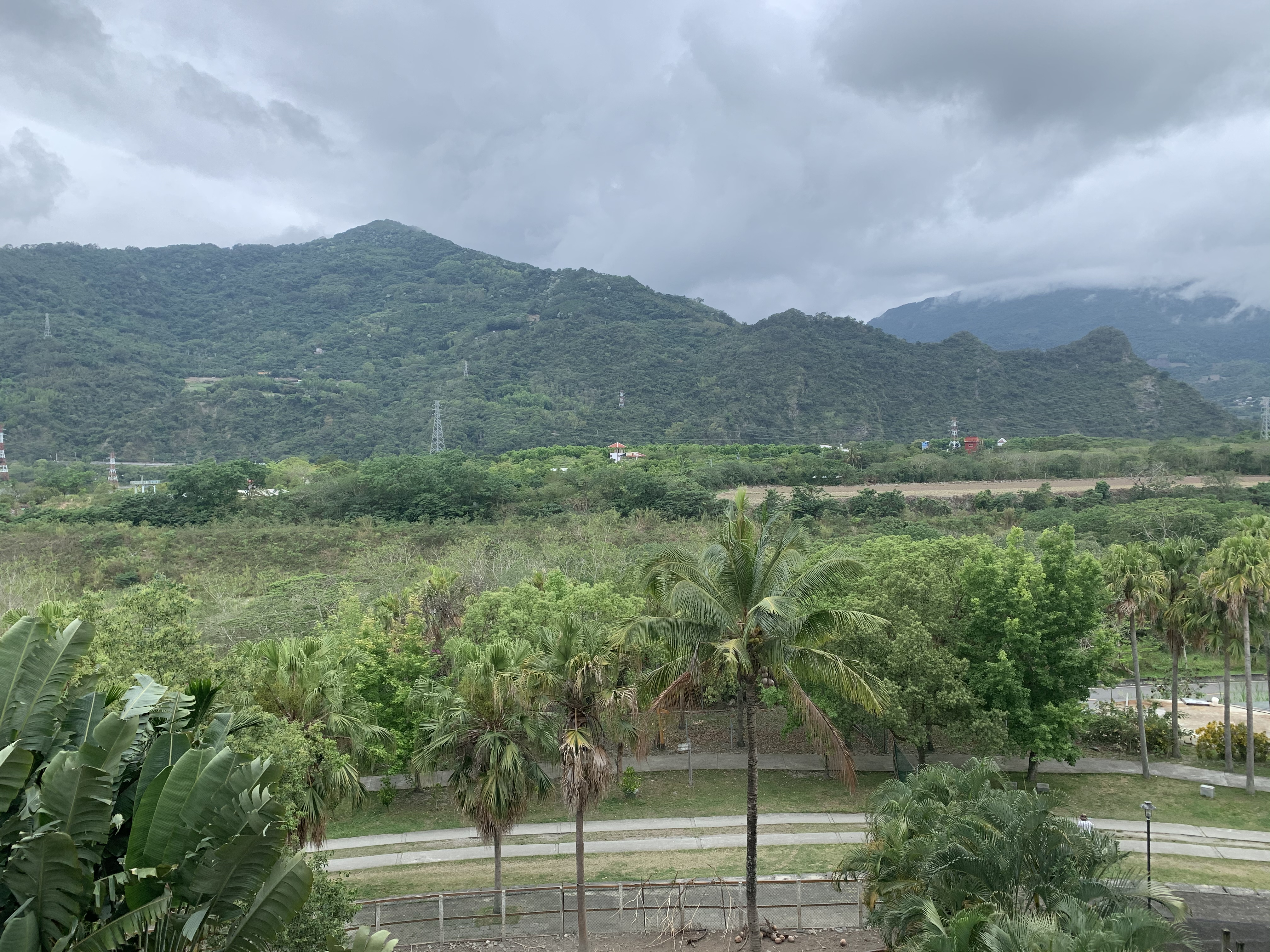
The view from our hotel room at the Luminous


We started our trip at Taitung Station, which is fronted by pretty good ice cream and tea shops selling locally-inspired products such as red oolong and hibiscus teas and custard apple ice cream. We used Avis/Budget through the KKDay app to book a rental car and drove to Luye (鹿野), about 30 minutes to the north.

In theory most of this trip -- minus Liushidan Mountain -- would be doable without a car. There's a train line running through the valley with local stops all the way up, it's a popular cycling route (and some of the more tourist-oriented towns offer bicycle rental) and there are public buses, though they don't seem very frequent. You'd have to be prepared to walk a lot. I recommend a car, but you don't need one unless you want to go up into the hills. Even the Luye Highlands are accessible by bus and tourist shuttle.

We'd been to the famous highlands of Luye before and didn't feel a need to return, but I'd booked us a few nights at the Luminous Hot Spring Resort & Spa. The hotel itself was nice -- I appreciated the balcony and in-room hot spring bath with mountain views -- though parts of the architecture were reminiscent of a public school. If you intend to forgo a rental car and just take the shuttle there and back, you'll be stuck paying resort prices for everything. We picked up breakfast for the next day at Family Mart, but we were fine with paying for one dinner at the extensive buffet. I was surprised with the quality of the sashimi; Brendan spoke highly of the braised pork rice. 

On our other night in Luye, we went to Ai Jiao Yi Dim Sum 愛嬌姨茶餐廳, which isn't actually dim sum at all. This friendly local restaurant serves tea-infused dishes (usually as part of a set menu but there's an affordable option for two people). I loved everything from the simple mountain greens braised in tea to the fried tofu with tea-infused dipping sauce. 

On the Monday evening when we ate there it wasn't crowded, but I do recommend calling ahead on weekends or during the high season. 

Ai Jiao Yi also grows their own tea, and you'll likely be invited to sit and try a few kinds if they're not busy. We came away with a packet of honey-scented oolong (蜜香烏龍). 

Our plan gave us one day in the East Rift Valley, and having driven around that area before, we weren't sure what precisely we wanted to do. After a leisurely coffee-drinking session our balcony, I suggested we check out the Japanese shrine in the lower part of town and then pick a spot for lunch that would require us to take a scenic drive. The shrine, by the way, is lovely -- it was built for the residents of what was at one point a Japanese village and has been restored -- and the fields surrounding it are pleasant to walk around. There isn't a lot of traffic on these village roads on a Tuesday morning in May.

Untitled
The Japanese shrine in Luye

Untitled

Untitled

Untitled
I had to move to Taiwan to figure out that's how pineapples grow. I"m not joking. 

I considered trying to eat at Mipu Hakka 米舖客家小館, a Hakka restaurant we'd tried years ago in Guanshan. It was truly excellent and they make their own kumquat sauce. However, they're really set up for larger groups, and were gracious the last time we stopped there with just three diners, despite not really having a menu for such a small number. Tongxin Dumplings 同心餃子館 was also recommended by friends.

Instead, we ended up at G九屋特製私房菜 in Dongli, which I suppose could be translated as G9 House Special Private Kitchen (?) in Fuli. This brought us into the southern reaches of Hualien County on the valley side, but still a bit south of Ruisui, whose scenic roads I've been meaning to get back to for a nice drive-around. 

One lovely part of getting up here were the opportunities to turn off Highway 9, which runs through the valley (and is barely a highway in some parts) and just meander through the countryside. A lot of people are nervous about driving on those tiny roads between fields as many don't seem like they can handle two-way traffic, but this is one of my favorite things to do. I'm scared of urban driving; even the dinkiest, most overgrown rural road is cake.  

G9 is another truly excellent find. They too have set meals, there's no real menu. We were served cold crab and vegetable spring rolls in rice skin, an absolutely delicious dish of local greens with black tree ear mushroom and bacon, a unique dish of fish slices in steamed tofu served in a bright green sauce made from local vegetables, Thai-style fried chicken, and a simple but tasty soup. The rice comes with pork oil so you can make a Hakka-style 豬油拌飯. 

Although it was still just a bit too far north for us, Our Cafe 我的咖啡館 in Guangfu (a bit north of Ruisui) comes highly recommended as well. 

After our meal at G9, we finished off our tea and discussed what to do next. We weren't far from Chihshang, which offers both scenery of the East Rift Valley itself, but also a highway that crosses the mountains and drops you off at Donghe on the coastal side. It's famous for both scenery and having a troupe of Formosan macaques.

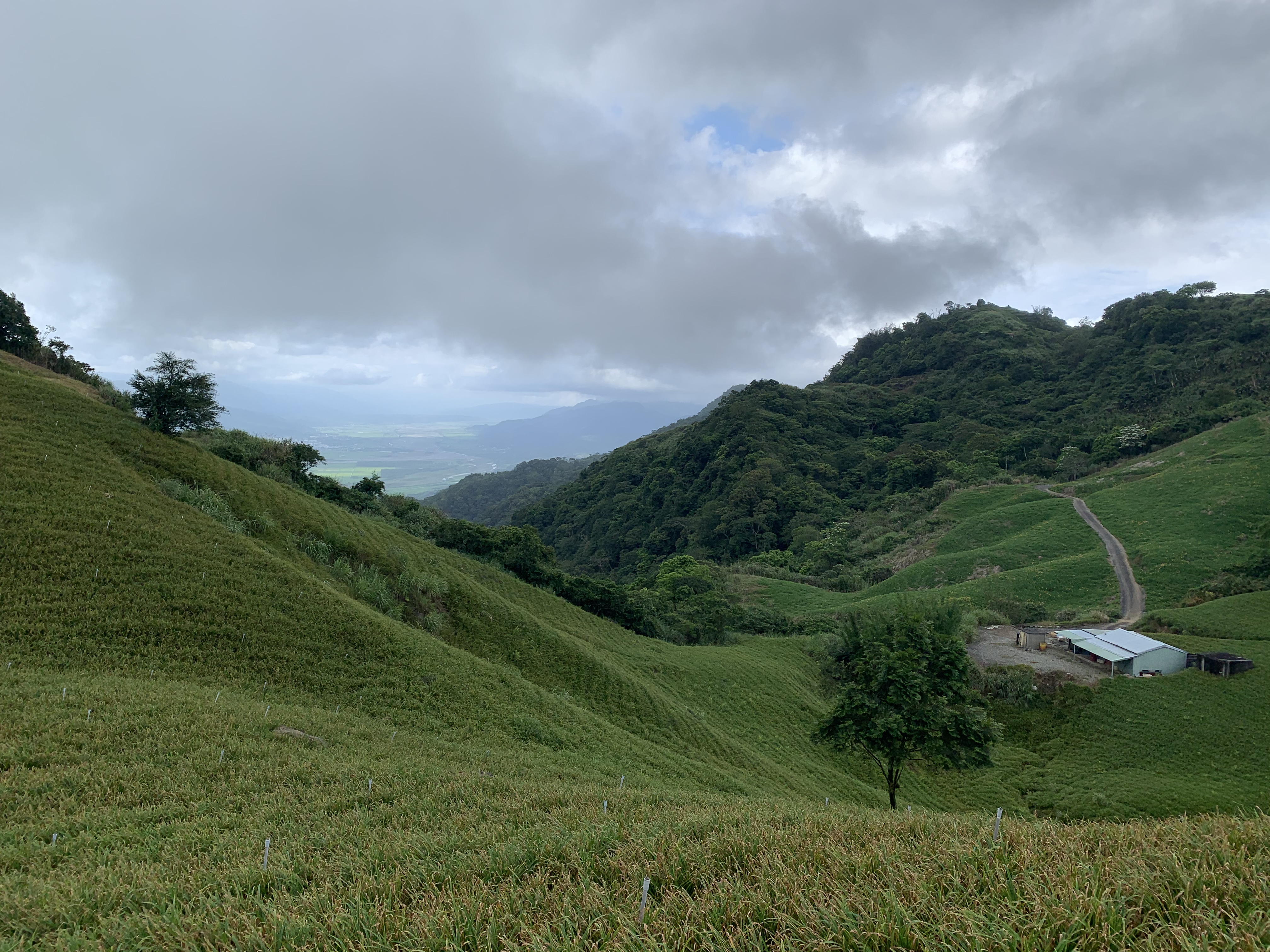
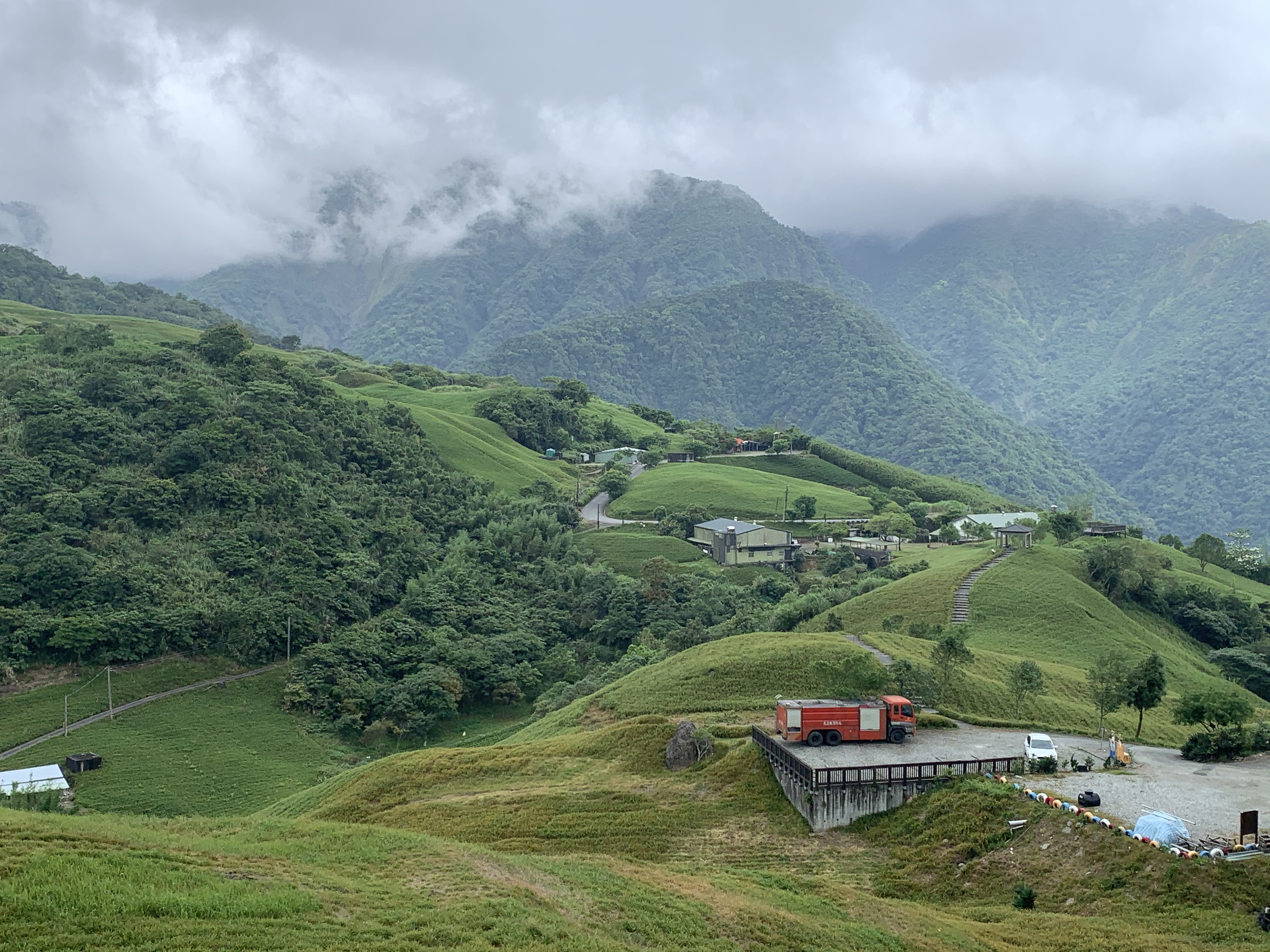
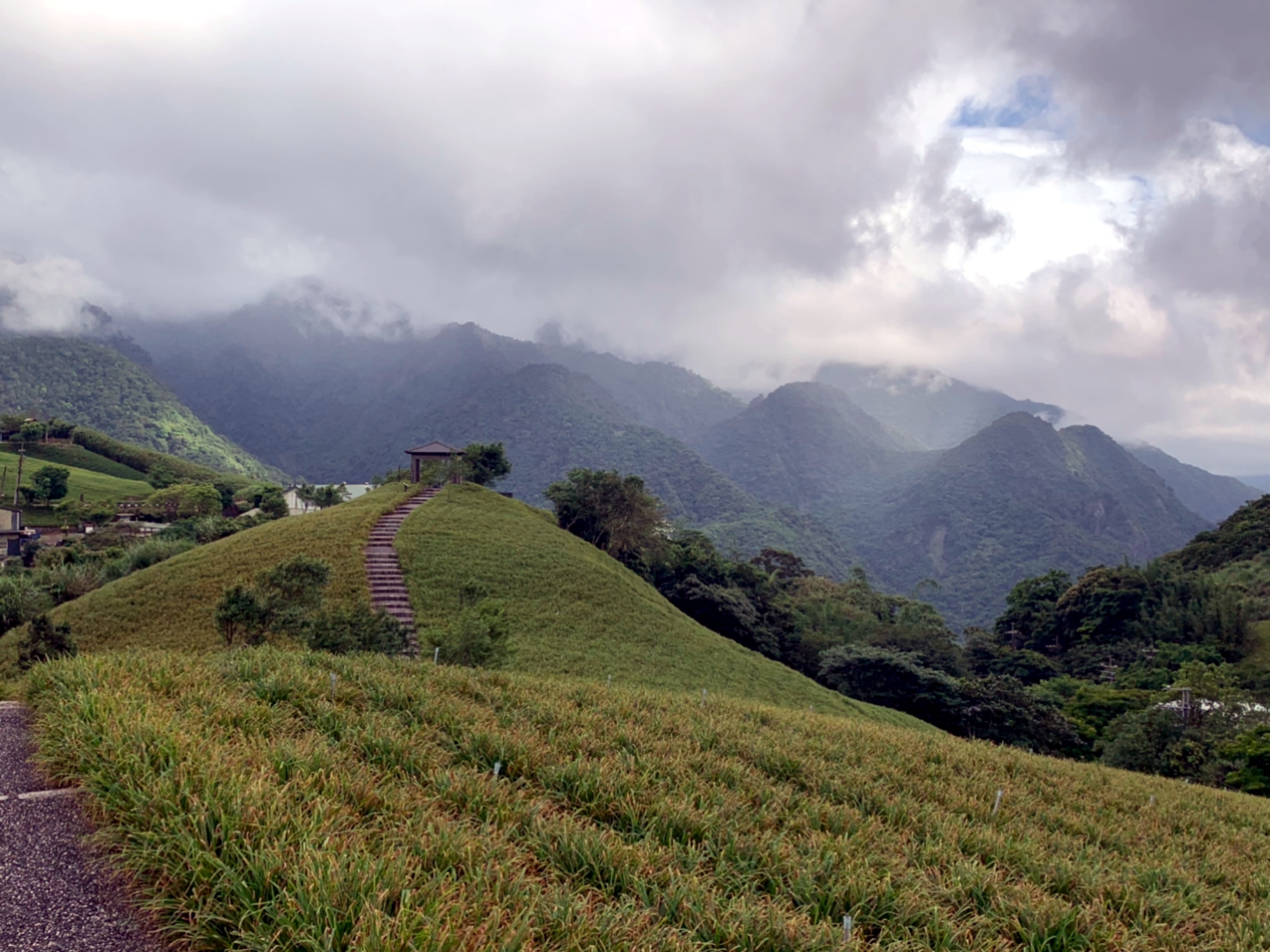
We did both on our last trip, however, and decided to beat the usual tourist crowds by driving up Liushidan Mountain 六十旦山 instead. This area is packed with sightseers when the famous tiger lilies are in bloom across the hillsides in August and September (a similar tiger lily mountain can be found near Taimali). In early May, just a few buds were beginning to show, but the scenery was still gorgeous and there was hardly another soul around. In my opinion, the perfect time to go. 

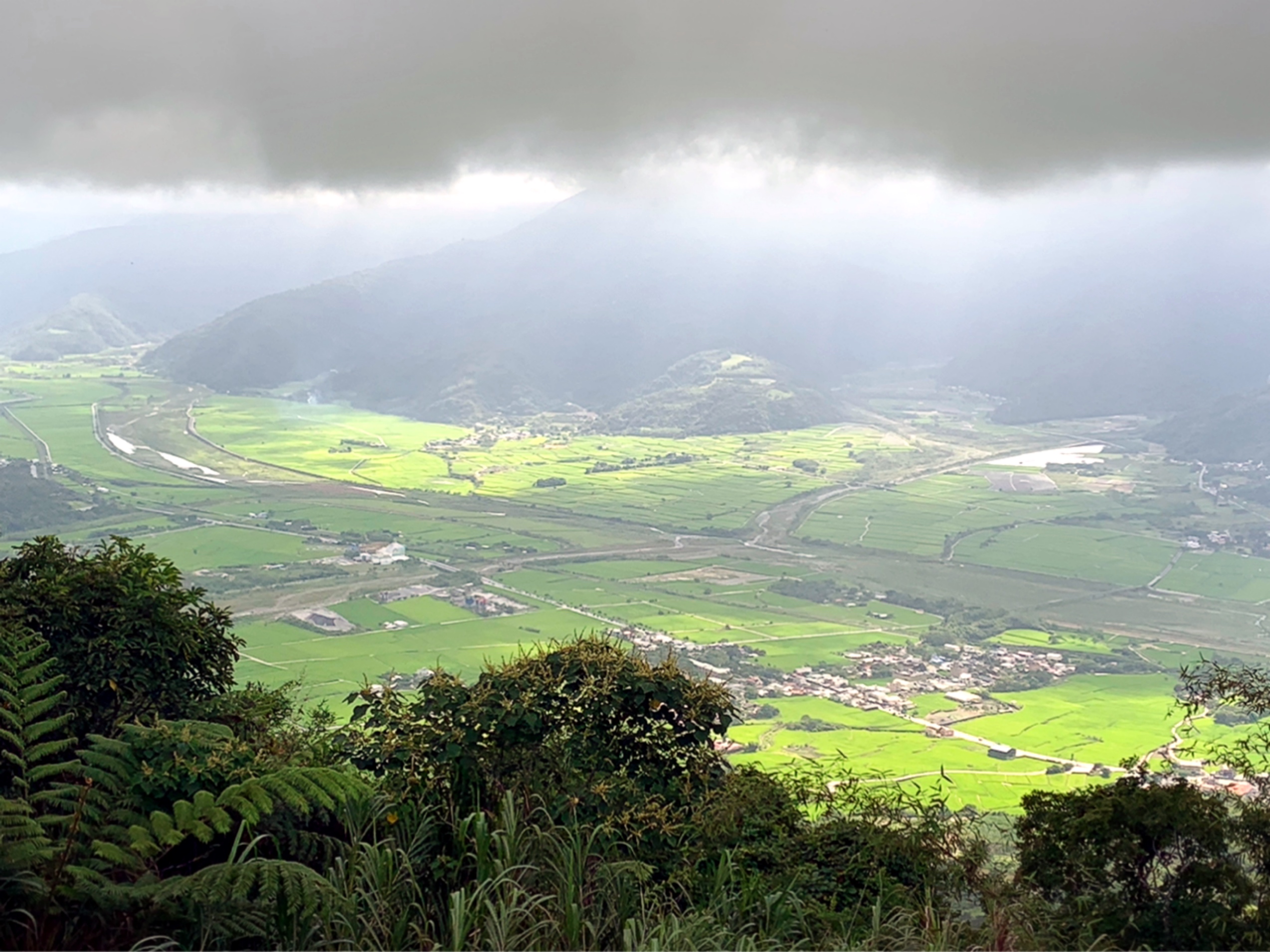
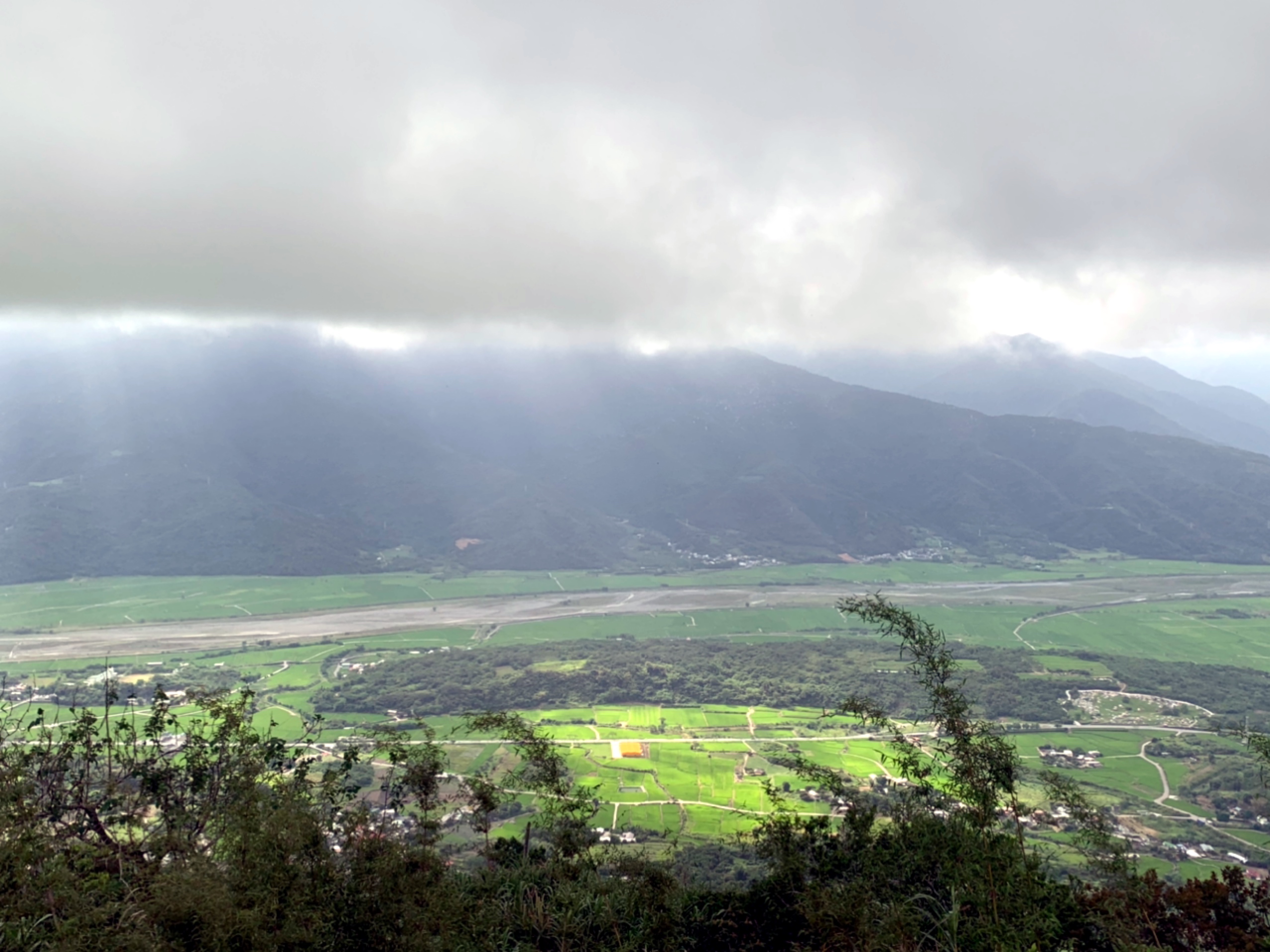
The drive up to Liushidan Mountain from Dongli is somewhat terrifying, with more switchbacks than the drive down the other side at Dongzhu, but that's the sort of driving I'm actually good at and there was no traffic whatsoever, so I didn't mind. We stopped at as many beautiful lookout points as we could, watching low clouds and patches of sun wind their way down the valley below. In most cases, we were the only people there. The drive down was just as lovely, and we took our time as there was no one around.

(Downside: all the shops that seem like they're usually open in the tourist season and would typically have restrooms were shuttered, so I had to pee behind a bush.)

Untitled

Untitled

Untitled

Untitled

When we felt ready to head back into the valley, I suggested we look for a cafe with nice views to relax and recharge before heading back to the hotel. We found the perfect destination in No. 9 Gourmet Coffee 池上鄉九號咖啡館 in Chihshang. The massive windows offer a lovely vista of the fields and mountains, and the coffee, which comes with a small pudding-based dessert,  is good too. 

There's no parking to speak of, but in this part of Taiwan you can just sort of pull over. 


Untitled

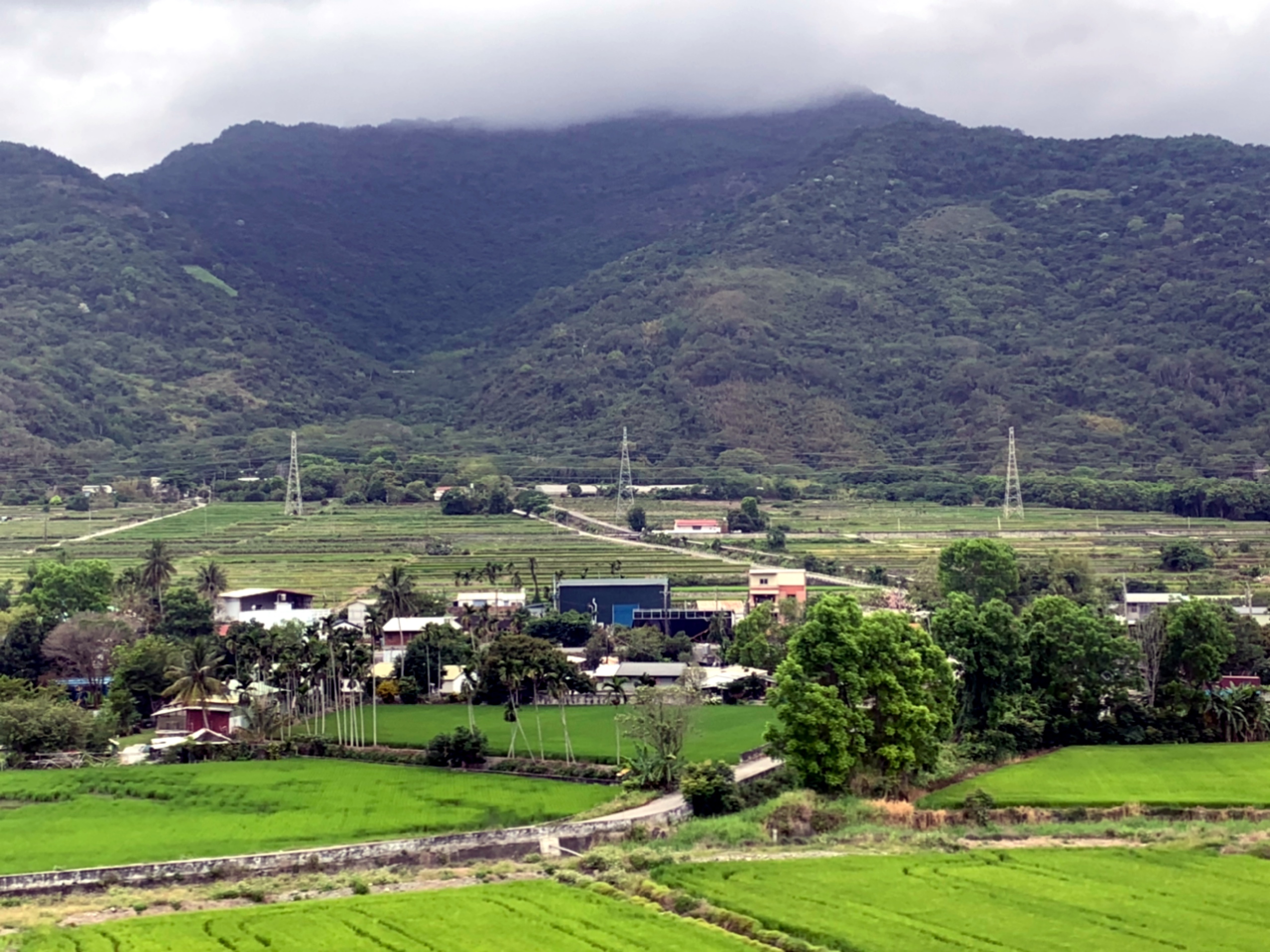
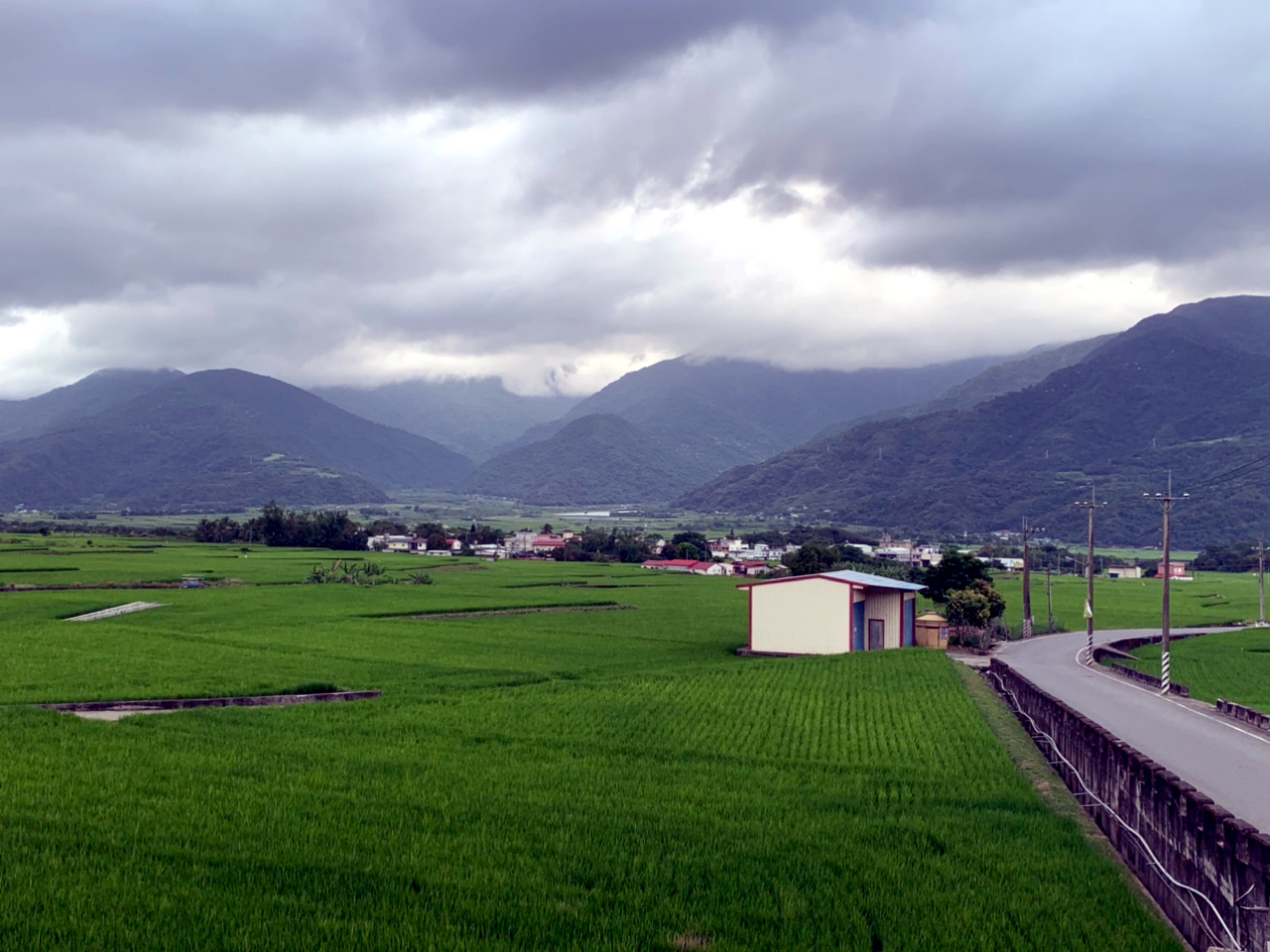
The view from No. 9 Gourmet Coffee


My goal had been to take the scenic (as in, farms and fields) route back to the Luminous, but we lingered so long at No.9 that dusk began to set in and rain was coming, so we just drove directly back along the highway.

The next day we dropped off the car at Taitung Station and had a few hours before our flight to Green Island...or thought we did. With much of Taitung City's culinary scene closed during the exact post-lunch hours we needed to kill or off on Wednesdays, I searched for places that would welcome two people killing time (like a cafe) but also served food (like a restaurant) and found Taimali Culture and Creative Cafe 太麻里文創咖啡館.

Don't let the name fool you -- it's in downtown Taitung, not Taimali. The food is at the higher end of typical cafe fare, but it's in a restored wooden Japanese building with a beautiful inside-outside feel, and they have cats! 


Untitled

Of course, something had to go awry. Our flight to Green Island was canceled due to a sudden rainstorm and we had to spend the night in Taitung (we took the boat the next morning). I was in the mood for something in the general category of yakitori, so we ended up at Kasugabe Japanese Home Cooking 春日部日本家庭料理, in a lane which also boasts an interesting-looking Italian restaurant, a highly-rated super-modern Thai place, and a funky cafe that I would have happily checked out if we hadn't wanted to be in bed early. 

Kasugabe was far better than its mediocre Google ranking. I was pleased with everything, though the spicy mentaiko cheese potato sticks in my memory as particularly great. I commented that they seemed to have laced it with pure unadulterated crack, and Brendan commented that it was probably just all the butter. 

Although it's a little far away, Seasonal 漁采時令料理 is another friend-approved, highly-recommended Japanese restaurant, but it was a bit too far from our hotel and we had already turned in the car. 

The bad weather had cleared by next morning we were finally able to head to Green Island, so that was the end of our East Rift Valley adventure! 

Please enjoy some more photos: 


Untitled

Untitled

Untitled

Untitled

Untitled

Untitled

Untitled

Untitled

Untitled

Untitled

Untitled

Untitled

Untitled

Untitled

Untitled

Untitled

Untitled

Untitled

Untitled

Thursday, May 20, 2021

I'm frustrated too, but don't freak out

Untitled

Just a travel photo of a hilly path on Liushidan Mountain


My Taiwanese students, trainees and friends seem to be handling Taiwan's new reality pretty well. "We'll get through this!" "Safety first!" "We can flatten the curve together!" "We'll do what it takes to fix this problem and get back to normal!" 

Okay, they don't sound that jingoistic, but there's more or less a spirit of cooperation and belief that we can handle what's coming. They're all staying home, and we are too -- I venture out once a day to get some sunshine, do electro-therapy on my back and buy fresh vegetables. The work I still have is online.

Contrast that to the news, which makes it sound like Taiwan has been botching it all along, their epidemic prevention strategy was never as good as the world believed it was, and they made so many mistakes that now the house is on fire and the roof is caving in.

Many of these articles are pretty bad (sorry Bloomberg and BBC, but they are). They twist Taiwan's difficulty in getting vaccines as some sort of complacency on the government's part, rather than international issues of vaccine hoarding compounded by China's alleged efforts to stymie Taiwan's acquisition of vaccines while bloviating that they could have bought Chinese vaccines this whole time (not that anyone would be willing to take them, and frankly I'd be surprised if they didn't just send Taiwan sugar water).

I don't recommend you actually click that Global Times link, by the way. It's a train wreck. They always are.

Many reports spin out one big mistake -- allowing unvaccinated pilots shortened quarantine and not paying enough attention to hotel safety protocol -- and make it sound like the country's pandemic prevention strategy was riddled with holes. They throw around the word "complacent", but most people were reacting naturally to the low threat level that existed in Taiwan for months. This is normal human behavior.

The pilots who caused the outbreak were not complacent so much as deeply selfish. The government did attempt to get as many people vaccinated as possible by opening up the self-pay program, although perhaps those eligible for the free vaccine should have taken the offer more seriously.

On top of that, they pile on Taiwan because their excellent defense, which kept the country safe for over a year, faltered slightly after holding the line for so long. And why did we have to hold that line for so long? Because the rest of the world couldn't get its shit together. 

So it's not that the government didn't make a mistake. They did. But in every other respect they've been doing an amazing job and the news coverage making it sound otherwise is simply not fair. I suspect there's a smidge of schadenfreude, where the rest of the world might be feeling like ah, so now you finally have to experience what we've been going through for the past year. Except not, because although some people are more locked down than others, we're not actually in a lockdown.  

And yes, the threat level has changed. We should be careful, but please, don't freak out.

Certainly you should stay home as much as possible, mask up when you do need to go out and wash and sanitize frequently.

Still, don't freak out. I don't mean "don't feel anxiety", I feel it every day. I take medication for it! I mean don't freak out. Don't let headlines that make it sound like TAIWAN HAS FALLEN scare you; they're hyperbolic. We are not going to resort to a zombie apocalypse in which we must run each other down with souped-up scooters to survive. 

I want to point out some data points that I hope will calm everyone down. 

As of the time of writing, our new daily new reported cases went up terrifyingly quickly over the course of a week, but then flattened out somewhere in the 200s, down from a high of 333 new reports in one day just a few days ago. Note that these are not new daily infections but infections we've found. I won't try to interpret this, I'll just point out that I personally expected a week of much more quickly escalating numbers of daily reported cases. This is pretty acceptable news, relatively speaking. The CECC has also reported that they do not anticipate needing to go to Level 4 (a real lockdown). 

What I'm trying to say is, the growth is not as terrifying as it could have been. It's a good reason to stay home and take extra precautions, but not a good reason to lose your cool. It's even a good reason to prepare just in case there's a Level 4 lockdown, but preparation doesn't mean panicking.

Here's the second reason not to freak out: we know everything the world didn't know a year ago. We know masks work. We know staying in place works. We know sanitizing and contact tracing works. The government hasn't been perfect about this (I don't think those acrylic table separators in restaurants do any good at all) but they have a system for when to implement what protocols, and mostly the decisions seem to be swift and based on good science. We're in the best hands we could possibly be in. No government is perfect, but there is no government I trust to handle this more than Taiwan's. 

Although I've heard instances of people not wearing masks, not using sanitizer and not social distancing when outside, I also do believe that in general Taiwanese citizens are more likely to do what the government asks. Not because of Confucius or whatever, but because they've seen what happens when you don't, and most of what we're being asked to do makes sense. 

A third reason: compare it to what's happening in the US. 

I wrote this post a few days ago, so my data is a few days out of date, but I think the overall point is the same.

News from my in-laws is that Maine is starting to open up. Restaurants are re-opening, people are visiting each other, and mask mandates are being loosened, often in very unclear ways. For example, the rule is supposed to be that vaccinated people can take off their masks in some situations, but there is no clear way to check who is actually vaccinated and this is often being left up to individual businesses, who have an incentive not to annoy or turn away customers.

And yet, on May 14th, Maine had more overall daily reported cases (278) than Taipei did when it hit 188 the next day. Maine has a total population of about 1.3 million -- that's half the population of Taipei City alone. One county in Florida had more daily cases on the 14th than Taiwan's terrifying current peak of 333, but they're opening up too. (Florida's overall population -- not just that one county -- is a few million lower than Taiwan's.) 

More new cases, fewer people, and they're opening up -- not locking down. 

I don't think this is smart, and I don't think Taiwan should follow their lead, I'm just pointing out that Taiwan, with a dense population equivalent to that of Australia, is escalating its response quickly to a number of cases that, per capita, is still lower than what the US sees as a harbinger of better days ahead.

This means we're taking the threat seriously. That's a good thing, and it probably means we'll defeat it. The US certainly didn't do that in the early days, and yet Taiwanese are being called "complacent"? Come on.

Finally, we will soon have something the rest of the world did not have when this began: vaccines. Granted, they're not here yet. And yes, the vaccine rollout program has hit some bumps, many of them due to the overall lack of threat until very recently -- but we should be on track by July. So, there is at least the hope of a clear endpoint, a goal toward which we can focus our outbreak containment efforts. We may be in this for awhile, but at least there's a clear way out that we can measure in months, not years. 

I won't say we have nothing to worry about. Anxiety is normal. I'm frustrated too. I'm angry at the selfishness of the pilots, and angry that they were not mandated to be vaccinated before they could be approved for shortened quarantine. I'm angry that the international media is treating Taiwan's situation like it's apocalyptic when frankly, it's all relative: the US went through an actual apocalypse, so several hundred cases a day in their state or county is an improvement. You're still probably safer in Taiwan. I'm slightly worried, because I've lost a lot of hours and my summer teacher training schedule is in jeopardy (we'll make enough to get through and are grateful for that, but certainly it'll be tighter than usual in the Lao Ren Cha household). Taiwan is just now figuring out how to improve its long-term epidemic prevention strategy, and there will be bumps. 

By all means, of course, if you're a worker who's seen their hours shrivel or feel like the government is just telling you to figure out an impossible work/childcare situation, complain loudly and push for improvements.

We can get through this, and the experts guiding us have done a good job so far. We're doing more to contain the spread than the US is while their daily caseload is still higher than ours. With some exceptions, people are taking it seriously. 

So be prepared, but don't freak out.