Wednesday, May 6, 2020

CECC speaks out on discrimination against foreigners by businesses in Taiwan due to COVID19

Untitled
I don't have a good cover photo so enjoy this picture of an interesting gate. 


Since it became apparent that some businesses in Taiwan were discriminating against foreigners due to COVID19, many have discussed what could be done about it. Foreigners and Taiwanese incensed by unfair and irrational policies by these businesses - stepped up and called these businesses out on their behavior.

Publicly laying into such businesses was less effective than messaging them privately and asking them to change their policies, pointing out both the discrimination issue and the irrationality of the policies. I'd guesstimate that roughly 8 out of 10 businesses I messaged were willing to change their policies. I don't know the success rate of others - certainly I wasn't the only person doing this. That speaks well of Taiwan: it's not a perfect country, but there are a lot of countries where the majority of businesses would simply ignore such requests and continue discriminating.

This was also great as it meant local businesses rarely had to be called out publicly. When it did happen, I was pleased to see plenty of local support.

There was talk of getting local media reporting on it, or having a local reporter ask the CECC at their press conference about the issue. People respect Chen Shih-chung (陳時中). If they say it's not okay to discriminate, businesses will listen. I can say that this idea came from a local, not a foreigner.

Taiwan News eventually reported on the issue. That report focused on a single nightclub, but drew attention to a wider problem.

From there, the issue made its way to the CECC. I won't give details, but there are many Taiwanese committed to fighting discrimination who deserve credit. This isn't just angry foreigners with torches and pitchforks - it was a group effort with local support.

And today, this happened, reported in ETToday:


中央流行疫情指揮中心指揮官陳時中今(6日)特別強調,病毒攻擊不分什麼樣的人,不要因疫情造成人與人間的對抗,大家多有點同理心,抗疫一定做得更好。 
Chen Shih-chung, leader of the Central Epidemic Epidemic Command Center [and current Minister of Health and Welfare], emphasized today (the 6th of May) that the virus does not distinguish between different kinds of people. The epidemic should not cause person-to-person confrontation. It would be better for everyone to have a little empathy. [Translation mine].

People do respect Chen, and generally have been happy with the CECC's handling of COVID19. So, I do think this will have an effect. Addressing this issue publicly, at a national level, will hopefully cause businesses to abandon discriminatory policies or, if they were considering them, scrap their plans.

Chen is respected in great part because he's got class, saying a little to accomplish a lot without mocking or scolding. Some foreign residents might have been hoping for more of a ‘rebuke’ or ‘reprimand’ in his statement. However, while Chen's language might sound mild to foreigners, but the meaning of those words - the illocutionary force of a reprimand: don’t do this! - will be understood in Taiwanese society. And he will be respected because he didn’t act like a scolding father, but a leader. Trust me, his meaning is clear in this cultural context.

For those that don't, we can point to Chen's statement as a potent antidote to the poison of discrimination - what can a business say when the CECC itself is asking them not to discriminate?

That this was able to happen - the right wheels turned, the right gears ground, people came together - speaks well of Taiwan.


Now, if we can that kind of effort together to fight discrimination against non-white foreigners (predominantly Southeast Asians), that will really be cause to celebrate. Let's keep fighting. 

Sunday, May 3, 2020

Appreciating Tsai Ing-wen's linguistic tightrope walk on independence

Untitled


The Ties

You are living on your own, financially independent and managing all of your personal affairs. You were estranged from one of your family members for a while - a step-parent, but they act like they're actually related to you. You didn't talk for years despite living fairly close to one another. You're pretty happy with how successful you've been.

But this step-parent, well, you've had quite a bit more contact over the past few years, and you're starting to remember why you were estranged in the first place: honestly, they're kind of a dick. 

For example, they keep insisting that you live with them, because you were forced to crash there for awhile a long time ago. They even keep your old room, and tell people you still live there (even when you did, it didn't really feel like your home). They try to tell you who you are allowed to talk to, and even make plans to renovate your home for you. Although they have a lot of money, parts of their own home are an absolute nightmare and you have no intention of allowing them to touch yours. But they just won't shut up about it, and even threaten to bring in a demolition crew if you don't do what they want. At best, they're deeply emotionally abusive.

But they also have a lot of power in the community - big donations to various projects, tons of connections, friends in high places. To fully disavow them would mean to cut yourself off from everyone else. You've tried talking about it to your friends, and they agree with you, but "don't want any trouble". Among acquaintances, if you say so much as a word against them, you’re shut out of community events. Sometimes people who are really friendly with this relative insist that their version of events is accurate. You're completely flummoxed that nobody else seems to see how crazy this whole situation is.

How does nobody find it weird that they insist I still live in my old room when I clearly don't?

So the best you can do under the circumstances is smile wanly and pretend you don’t hate this person, to keep things friendly with everyone else. When someone insists you and your step-parent must be blood relatives because you share the same surname, you don't respond. You considered changing it once and would still like to, but the last time you brought it up they threatened to set your house on fire. 

Publicly, you don’t argue, and you seem happy to keep things the way they are. 

In your heart, you are seething. 

The best you can do, whenever you get the chance, is to refer to your house and your life and encourage people to call you by your chosen name. 

Occasionally, someone will come along and remark that you clearly do want to keep things the way they are, because you aren't aggressively trying to change the situation (at great cost to yourself). You hate this, especially when your well-meaning friends do it, but you keep on smiling and don't contradict them. Technically, it's true. 

Some may ask if you plan to "make a decision" about whether to continue on your own or live in that abusive step-parent's house, and you gently point out that you don't need to make a decision because you are already on your own. They say "huh, but how will you ever be independent if you don't choose?"

How am I not already independent? you reply, because you are. Why would I need to declare otherwise? 


Defining "independence"

This is why no administration or dominant party in Taiwan has been able to consistently advocate for formal (de jure) independence for Taiwan: China has rendered that impossible. Similarly, the KMT can't advocate for the eventual unification with China that they so clearly desire, because the Taiwanese public will never accept it. On both sides, smaller parties take up harder lines on these issues, but they are unlikely to become major players for a variety of reasons. 

What's left is a tussle over the ideas that are still possible to negotiate: what the "status quo" and "independence" really mean. In other words, whether or not the Tsai administration is pro-independence or pro-status quo depends on how you define those terms.

If you define "pro-independence" as "must advocate for formal independence" and the status quo is "not officially pushing for formal independence", then I suppose you can say that Tsai and the DPP are "pro-status quo". 

However, there are a lot of other ways to define "pro-independence" - such as deciding that it means you believe the country is already independent. 

If you define "independence" as a future state you haven't reached yet, there's not much of a way forward. You are constrained by all of those angry voices who call you a troublemaker and shut you out if you try. But if you define it as the state you are already in - which is technically true - then it not only becomes attainable, but in fact is already attained. Any future changes - such as wider recognition - then bear on the status of your already-existing independence. 

This is exactly what Tsai has done.

"We don't have a need to declare ourselves an independent state," the 63-year-old president told the BBC in an exclusive interview, her first since the election. "We are an independent country already and we call ourselves the Republic of China (Taiwan)."

How can anyone say that is not a pro-independence stance? She uses the word “independence” obliquely to describe it. 

What she's doing isn't pro-status quo, as it is commonly understood. It's re-defining independence as de facto attained. In this creation of meaning, the status quo is independence.

It also neatly addresses another concern of pro-Taiwan allies: that when we talk about "independence", a lot of people who are not familiar with Taiwan's status take that to mean "independence from the PRC". Then they hear "I'm pro-independence" and think oh, if you want independence it must mean you don't have it yet, which must mean Taiwan is a part of China. Oooh, that sounds like separatism. The media makes separatists sound like bad guys so I don't think I support that.

Explaining how "pro-independence" is supposed to mean "formal independence" - de jure recognition of a status Taiwan already enjoys - often leads to confused looks. Why would you have to fight for a status you already have? 

Tsai's defining of "independence" to mean "the status Taiwan already has" is, therefore, a masterstroke. It allows the conversation to move forward to supporting not just independence (which we have) but towards recognition (what we want). That argument isn't possible officially, which is why Tsai isn't making it. But unofficially, she is intentionally laying the groundwork for current activists and future leaders to do so. 

In doing this, she leaves  just enough room to claim that the Republic of China still exists and that you may call her stance "pro-status quo" if you wish. It’s a game of social constructionism that is, frankly, genius. She is using language to define and construct a shared reality that is palatable to Taiwan, which can be interpreted in different ways to avoid conflict, but is understood by those who need to understand it.


Pushing Ahead

This fascinating language game has allowed Tsai to push further, rhetorically, than any of her predecessors - including Chen Shui-bian, often seen as far more of a pro-independence hardliner. If we compare what Chen said in his inaugural speeches in 2000 and 2004 vis-a-vis the Republic of China, and what Tsai said in her 2020 acceptance speech (she hasn't given a 2020 inaugural address yet), Chen once, and only once, added "Taiwan" to "The Republic of China", whereas Tsai did this with every mention of the Republic of China, a name she invoked less often than Chen in both 2016 and 2020.

Correct me if I'm wrong, but I don't believe that Chen Shui-bian then immediately got on the international news and remarked that Taiwan was "independent" and China must "respect that". Tsai did. Chen didn't acknowledge the 1992 Consensus but I don't think he ever referred to a "Taiwan Consensus". Tsai did - and in fact I believe she invented the term.

She was able to do that. He - as far as I know - was not. She created space to push for Taiwan and call it independent under any name. He could not. Through finding new ways to define reality through careful language choices, she has been able to walk along a precipice that none of her predecessors could even approach.

Under her administration, we may yet succeed in changing the name of China Airlines, and it's possible that Academia Sinica will change its name as well. This will be a bigger success for Taiwan's visibility internationally than any of the name changes Chen initiated (only one of which remains - Freedom Square). If they succeed, the KMT and CCP will certainly take these moves as a challenge to what they see as the status quo. They are helping Tsai set up a situation in which her administration's actions - seen by some as “pro-status quo" - are actually "pro-independence", without her ever having to say so. 

In the meantime, officials in her administration have free reign to call Taiwan a “country” or “nation” as often as they please. Here's one example. Here's another:
Ou reiterated Taiwan is a sovereign and independent country. 
"China has never ruled Taiwan for one day, and only the popularly elected Taiwan government can represent the country's 23 million people internationally," she said.

Tsai herself does so as well, surely knowing that the international media won’t allow their journalists to throw around those words when referring to Taiwan (opting instead for flaccid terms like “island”, “territory” and - most deflated of all - “place”). But if she says it, they can quote her, and the word “country” makes it into the final copy:

“They don’t like the idea of being threatened all the time. We are a successful democracy … We deserve respect from China,” she said. “We have a separate identity and we’re a country of our own.”


It is absolute genius, and it makes me want to be her best friend and have sleepovers with her where we drink wine and play with cats. 


Defining "the status quo"

Let’s consider how all the other sides in this fight define "status quo". 

If you go by international treaties, the "status quo" means that Taiwan's status is undetermined. No binding treaty ever addresses it. Even if you believe that the declarations of Cairo and Potsdam are binding (they're not), through a post-colonial lens, they're still not valid: the Republic of China had never governed Taiwan at that point, so Chiang Kai-shek's desire to control it is just another form of imperialism.

Tsai clearly doesn't adhere to that definition, as she has assigned a status to Taiwan: as already independent. There's nothing undetermined about it.

If you go by another rubric of how a country is defined - that it has a government, contiguous territory, a currency, a military etc. - what you get is a de facto nation, like Taiwan. This is closest to what Tsai is trying to express: that de facto independence is still a form of independence, and is sufficient grounds to push the meaning of "status quo" in a Taiwanese context from 'undetermined' to 'determined, awaiting recognition'. 

Then, there is how pro-China forces define "the status quo". To the KMT, "the status quo" means "Taiwan's status is undetermined, but we respect the 1992 Consensus...with different interpretations". Considering that realistically, the Republic of China will never govern all of "China", this is a fancy way of being a unificationist. The KMT insists that this is open to interpretation, an assertion that the CCP has never agreed to. 

Ma Ying-jeou spent 8 long years insisting that such a position could be credibly called the "status quo". Notably, nobody from his own side attacked him for that, because they all understood that "the status quo" meant "Taiwan's current status is unclear but its fate is ultimately Chinese". Handed Tsai's re-jiggering of "status quo", a definition co-constructed with her supporters (that is, the closest thing we have to a consensus of Taiwanese citizens), neither Ma, nor the KMT, nor the CCP would call it anything close to the "status quo" as they see it. To them, that's a push for independence, and they will angrily say so at any opportunity.

What they don't realize is that this helps Tsai in her creation of meaning through language that Taiwan's current status can be described as "independent". The perlocutionary effect of her words lands in part because it has been validated by the opposition. By insisting their definition of “the status quo” is the only valid one, and Tsai's is in fact a pro-independence stance, they are helping to co-create the idea that the status quo, if defined in another way, can be called independence. 

Clearly, there is no objective definition of "status quo" (or "independence") that a neutral observer can point to and say that this or that Taiwanese leader does or does not advocate for it. If the meanings of these terms are not necessarily fixed, then the interrelationship between them can't be so easily defined or interpreted, either. You can't insist that there is only a reality in which Taiwan is not already independent (because it is not formally so), when the daily experience of people in Taiwan clearly show that there is a reality in which it is (because it acts that way, regardless of how it is treated by others). 


The Use and Utility of "The Republic of China"

As for keeping the name "Republic of China", every president (even Chen) has been pushed by circumstance to give it a little lip service. 

Let's talk about Tsai's strategic deployment of the words "Republic of China": it offers smooth rhetoric on which the KMT can find little or no purchase from where they might attack her. It ensures that the CCP can't use "abrogating the claim to being part of 'China'" as a pretext for a declaration of war (of course, they're going to do what they want to do anyway, but it's best not to give them excuses). 

If you understand her use of "Republic of China" to mean that she actually believes that it not only is but should be Taiwan's name, you could call her "pro-status quo". But here's how I've come to see it: a statement of fact, that "Republic of China" is the official name of this country, without making any statement about whether or not it should be. 

Some might take this as being huadu (華獨) or "pro-independence as the Republic of China". I don't. This is partly because it's pretty clear that Tsai doesn't actually think that "independent Republic of China" is the best future for Taiwan, which her supporters clearly understand as well. And it’s partly because I see her intention in her slightly contradictory choice of words. 

(There is a whole discussion we can have here about “independence” being “independence from the ROC colonial system”, but that’s a topic on its own - when creating narratives and defining Taiwan for an international audience who might not be deeply knowledgeable about or interested in Taiwan’s situation, that’s an issue best kept to domestic debate.) 

I read a lot of advice columnists, and this is one piece of advice I keep coming across: when you have to say something, and you can't give any genuine praise but don't want to lie, say something which is factually true. If your aunt is showing you her new house, say "oh wow, wall-to-wall carpets!" She doesn't need to know that you hate wall-to-wall carpets.

"...we call ourselves the Republic of China" is the "oh wow, wall-to-wall carpets!" of political talk.  It is not only intended to acknowledge the current existence of a government called "The Republic of China", but also as a necessary conjunction: creating space so that the words "independent country" may also be spoken. 


Tsai's 3D Chess

With all that in mind, which do you think is more likely: that Tsai actually believes that the status quo is what's best for Taiwan, and the name of this country should be "The Republic of China", or that she's choosing the most realistic, pragmatic path to advocating for independence available to her? Given the constraints of Taiwan's situation both domestically (KMT attacks) and internationally (PRC threats), given her careful choice of words and given what we know pro-independence Taiwanese believe, it's risible to credibly claim the former. 

She sees that the hard-line "independence" fight simply cannot be waged right now. So rather than gaze helplessly at a dense thicket she cannot enter, she's making a new path into the woods by re-defining the terms available to her: the status quo not as "Taiwan's status is undetermined" (which much of the world quietly believes) nor as "Taiwan is a part of China but unification will take time" (which is what both the PRC and the KMT believe), but "the status quo is independence, because the people see their country as independent, and in fact we are de facto independent." 

That is a valid pro-independence stance.

It's also a type of doublespeak: she's hewing close enough to the "status quo" shibboleths that China insists on (and then rattles their sabers anyway just because they don't like her), while making it clear to everyone else that Taiwan is a country. 

This is also in line with how she approaches issues more generally. While I don't fully sign off on her strategy to get marriage equality passed in Taiwan, the tactics were quite clear: play it safe, lay low, and then BAM! Same sex marriage. Say nothing at all about the 1992 Consensus, merely acknowledging that "meetings took place" in that year, and then when Xi starts rattling his saber about it, BAM! Taiwan Consensus. She takes some heat for several rounds of confusing changes to labor laws and appears to mostly be listening to business rather than workers, but BAM! has quietly raised the minimum wage more than her predecessors in just four years. She didn't say a thing about the issues inherent to tourism from China. She didn't want those tourists nor the economic weapon they represented - most of us didn't. Then BAM! China changes the policy on their own, as she knew they would. She presents herself as a slow-acting, overcautious, ho-hum centrist, and then BAM! The DPP has been quietly filled with young progressives and the socially conservative old guard has broken off to form their own irrelevant party

Taken through that lens, Taiwan's careful word choice and officially leaving the independence question alone while unofficially acting as though the question has already been answered - which it has - is a way of advocating for independence that can't exist if "pro-independence" must mean "actively advocating for formal recognition". 

If you still want to believe that her stance is a "pro-status quo" one, you can. There is room in how these terms can be defined for that viewpoint. But I would suggest that your chosen definitions are so narrow that they create further constraints on what Taiwanese leaders can do. Taiwan already has enough constraints to navigate, which Tsai has worked hard to loosen. Why add more?

Saturday, April 25, 2020

Academia Sinica, Foreigners and KMT Lies

Untitled
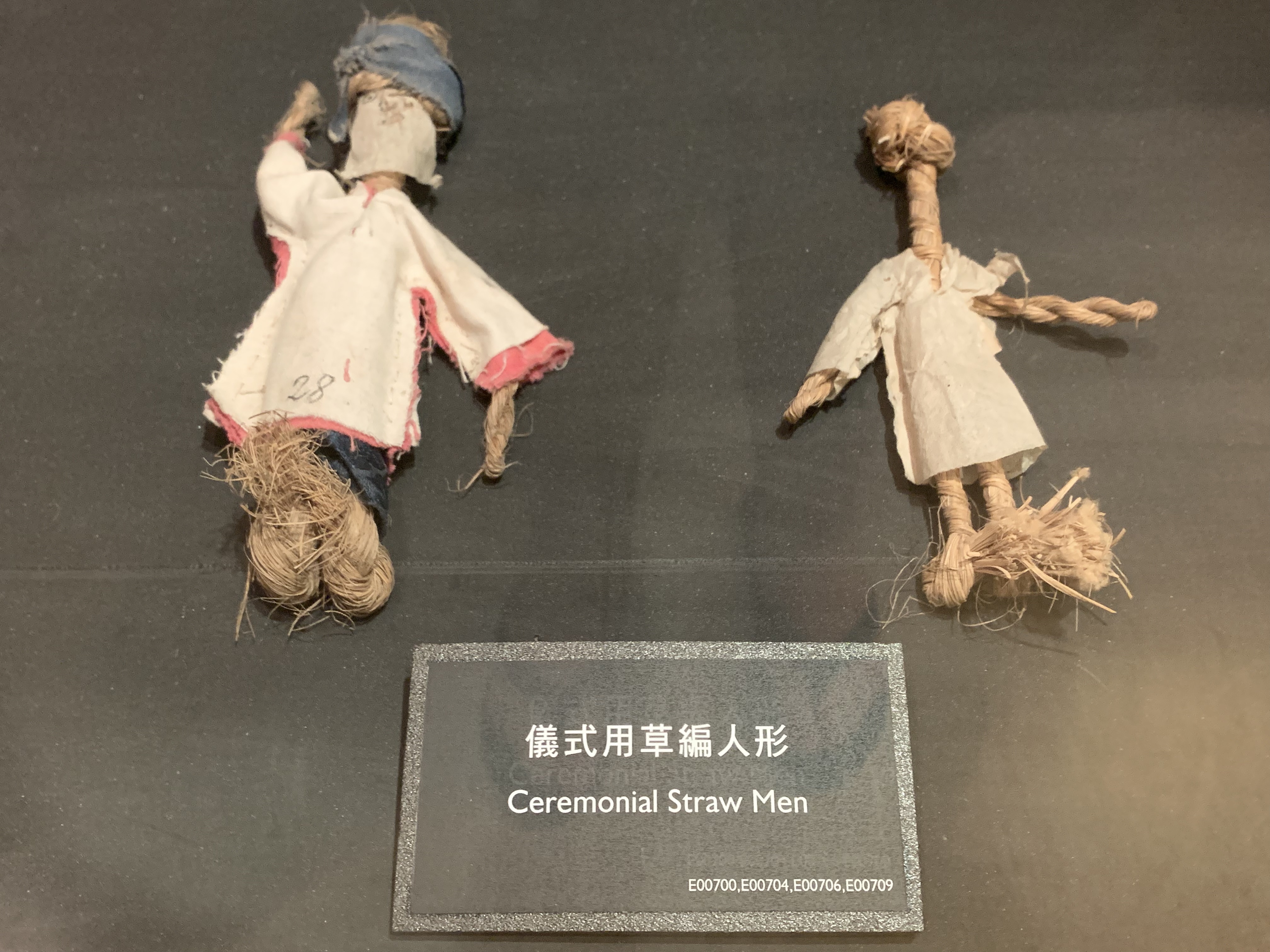
From the Academia Sinica's history museum, I present:
A visualization of the KMT's beef with Fan Yun


Something really interesting popped up yesterday - well, interesting to me.

Back in March, some DPP lawmakers called for Academia Sinica's name to be changed, as "Sinica" means "Chinese" and, well, Taiwan is not a part of China - think "Academia Taiwanica". DPP party list legislator Fan Yun (范雲), formerly of the Social Democratic Party, has been one of the strongest voices calling for this change.

Considering Academia Sinica's very "Republic of China" roots (it was founded in Nanjing in the 1920s and moved to Taiwan after the Chinese Civil War), this would be quite a statement indeed.

Notably, the institution's name in Mandarin (中央研究院) doesn't refer to China at all - it's just the "Central Research Institute", and Fan pointed out that 'Academia Sinica' would most accurately be translated as '中國科學院' in Mandarin. 


Fan Yun made the news again yesterday when she and two other legislators, Wu Lihua (伍麗華) and Lai Pinyu (賴品妤) introduced a motion that all elected academicians "must be ROC citizens", and that if foreigners are elected, they should be "honorary" or in some sort of other category. 

That sounds insane, if you don't know what an academician is in this context, or if you think by "foreigners" they mean "non-Chinese".

An "academician" isn't someone who works for Academia Sinica. It's not a job, it's an honorary lifetime title. There's no payment, and no research requirement. They can be asked by the government to carry out research (but never have), and they can make recommendations to the government on academic policy. That's it, really. As far as I am aware, no-one with no Chinese ethnic heritage has been elected to one of these positions (please correct me if I'm wrong). However, it is quite possible for foreigners of Chinese or Taiwanese heritage to be elected, meaning that Chinese nationals can also be elected.

Old academicians nominate new ones, and I am assured by a reliable source that these senior academicians often tend to be Chinese nationalists (that is, dark blue, pro-China), and nominate quite a few PRC nationals for the role. Because the nomination process doesn't ask about nationality, this has, until now, been an un-examined process.

Fan, Wu and Lai's proposal also stated that:


中研院組織法第四條明訂院士資格為「全國學術界成績卓著人士」,因此院士應該具中華民國國籍。 
Article 4 of the Basic Law of Academia Sinica clearly states that the qualifications of academicians should be "outstanding academicians from around the country", so academicians should have the nationality of the Republic of China.

It makes perfect sense that DPP lawmakers would want to do something about this. What does "from around the country" mean if PRC nationals are being elected to these positions? What country are we talking about?

Allowing non-Taiwanese nationals to be elected but "honorary" (meaning they can't advise the government on academic policy) isn't such a crazy or nationalistic proposition.

Well, here's how the KMT spun it. From their website which was clearly designed by someone's teenage nephew (don't forget to enter your e-mail address for a SUPSCRIPTION):

In addition, the Academia Sinica is slated to elect new academicians in July. As no regulations exist on the nationality of Academia Sinica academicians, many of them don’t possess ROC citizenship. In a meeting of the Legislative Education Committee yesterday, three legislators, including Fan Yun, introduced a motion demanding that in order to ensure that all academicians elected “must be ROC nationals” in the future, the Academia Sinica re-examine its election system for academicians to fully implement nationality checks, and that those without ROC nationality could only be elected as “honorary academicians.”
This motion elicited disputes, with several academicians describing the move as “national isolationism” yesterday. [Emphasis mine].

This makes it sound like Fan wants to bar foreigners from working at Academia Sinica, as it never explains what an academician (a specialized term requiring clarification) is, or does.

UDN's somewhat more informative report echoed this line of "isolationism":

中研院院士陳培哲表示,此一提案顯示台灣「鎖國心態愈來愈嚴重」。他指出,中研院身為台灣最高學術機構,應該「廣招天下英才」,連美國科學院院士也聘國外院士,「台灣人才有多少?」他質疑立委「想讓中研院當一個封閉的單位,還是開放的單位?」 
Chen Peizhe, an Academia Sinica academician, said that this proposal shows Taiwan's "isolationist mentality is getting more and more serious". He pointed out that as the highest academic institution in Taiwan, Academia Sinica should "recruit talent from all over the world." Even the American Academy of Sciences also elect foreign academicians. "How many talented people are there in Taiwan? Is it an open list?" [Emphasis mine].

That's not the only such quote.

The UDN article never once mentions that most of these "foreign" academicians are PRC citizens and "all around the world" means "ethnic Chinese who may hold other citizenships but are mostly from the PRC".

The position, as I understand it, was never meant to "recruit foreign talent". It was conceived of as an internal, national thing. It doesn't pay and it isn't a job, and isn't generally open to people without Chinese ancestry of some kind, so how would changing the process end a flow of foreign talent into Taiwan?

What's more, isn't the KMT bottom line that Taiwan is Chinese, that the ROC is the rightful government of China and that Taiwan is a part of the ROC? So, by that logic, wouldn't they think of PRC nationals as...not really foreigners? It seems that to the KMT, Chinese and Taiwanese are the same, but these PRC nationals suddenly become "foreign talent" from "all over the world" when it's convenient for the KMT to target the DPP.

Hmmm.

UDN also gets the crux of the problem wrong, stating there are no "confidential research" or "academic secrets" that these foreign academicians can "steal" - but of course, that was never the point. The point is, how much influence do academics from China have on Taiwan's top research institution and the recommendations it makes to the government?

Even more importantly, if this title is meant to honor members of this society, the question is, how do we define "this society"? As Greater China? As the ROC? As Taiwan? If the Academia Sinica was originally meant to be a "Chinese" institution, well, that is no longer possible in a Taiwanese context where "this society" no longer considers itself "Chinese" (or rather, is no longer forced to do so, and is no longer ruled by an elite class from China). It would make sense, then, that those named "academician" would be from Taiwan, or at least have a strong connection to it. The pan-blues clearly know they've already lost the battle to define "this society" as "all Chinese", so they're trying to ensure that PRC nationals remain eligible while calling them "foreigners", when they clearly don't really believe that. Again, the KMT is trying to have it both ways: Taiwan and China as one cohesive "Chinese society", and Chinese as "foreigners" for the sake of a convenient attack narrative against the DPP.


In short, it should strike you as odd that the KMT is accusing Fan Yun - and others, but they are clearly targeting Fan here - of "isolationism" under the false pretext that it is keeping out academics "from all over the world" and not "recruiting foreign talent" when the roles being discussed were never intended or even particularly suitable for "foreign talent", almost all of the foreigners in question are Chinese nationals (so, people whom the KMT doesn't generally think of as "foreign" at all) being nominated by their ideologically biased predecessors, and the honor is specifically meant to recognize achievement among the country's own citizens.

Although the UDN article explains this - whereas the KMT brief does not - the reporter never questions the academicians interviewed, nor put quotes like "national isolation" into any sort of context or clarification.


Nothing - truly nothing- about the way the pan-blue media and the KMT are portraying this issue is accurate. It's just another attempt to set up the DPP, and Fan Yun, to look like rabid, xenophobic ethno-nationalists.

I'm not even particularly interested in how Academia Sinica nominates academicians, a position I didn't even know existed until the KMT started ranting about Evil Fan Yun. I am interested in how the media portray these incidents to stir up divisions in Taiwanese society. UDN did a terrible job analyzing a news item, but a fantastic job sourcing a bunch of un-examined quotes with which to attack the DPP.

I'll leave you with this: try Google Translating that UDN article. Every time Academia Sinica comes up in the Mandarin, Google translates it as "the Chinese Academy of Sciences", and every time "national" (國人) comes up, it translates it as "Chinese".

So if you were wondering if these name games matter, they do. 

Thursday, April 16, 2020

When My Worlds Collide: The Chinese Aid/Mount Ararat Dispute

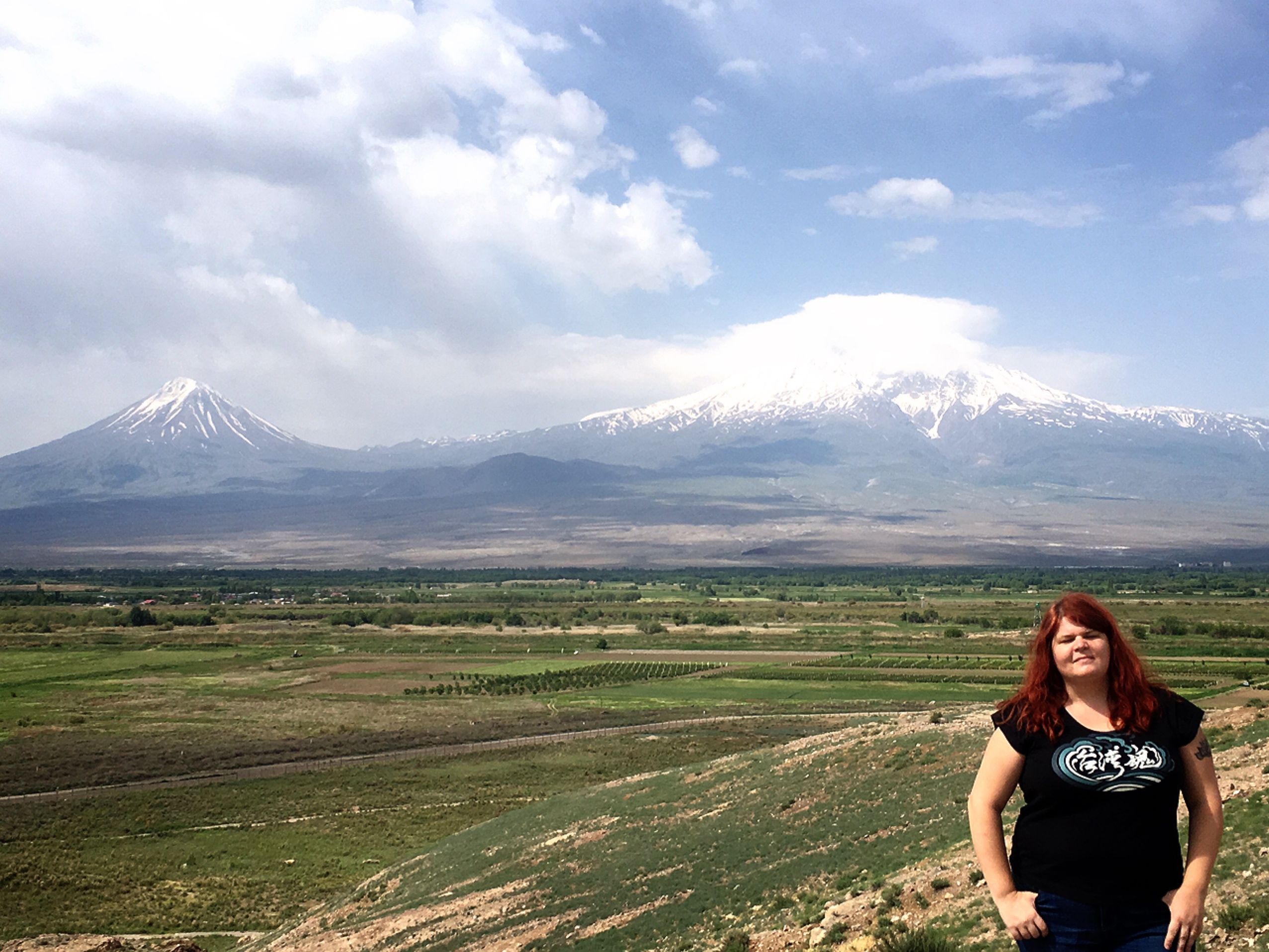
IMG_1806
Looking like a dork on my visit to Khor Virap in 2017


I was going to write about the way the WHO and China have both been slithering among political figures, begging bowls in hand, asking for statements of support for their handling of the CCP Virus. And I will - tomorrow, perhaps.

Today, something else caught my eye.

This is sort of a collision of my worlds: an American of Armenian heritage, whose ancestors fled Turkey, and who has visited both Turkey and Armenia while living in Taiwan and keeping an eye on China.

With that in mind, about a week ago, a tiny diplomatic snafu went unnoticed by most people. It seems that China sent medical supplies and equipment to Armenia, and this was written on the boxes:

高山之巔,長江之濱May Our Friendship Higher Than Mountain Ararat and Longer than Yangtze River

EVGKuItXkAEpnGh
These are the boxes in question

You'll note that the Chinese and English do not quite match. The actual translation of that phrase is "A High Mountain Peak, The Shores of The Yangtze" which sounds like a Chinese idiom but if so, I'm not familiar with it. (Readers?)


This caused a lot of consternation in Turkey, which demanded an explanation for why a mountain which is technically in Turkey, and called Mount Ağrı (Ara), was printed on aid sent to Armenia. IS CHINA DISRESPECTING THE TERRITORIAL SOVEREIGNTY OF TURKEY??!! ...is what I assume they screamed.


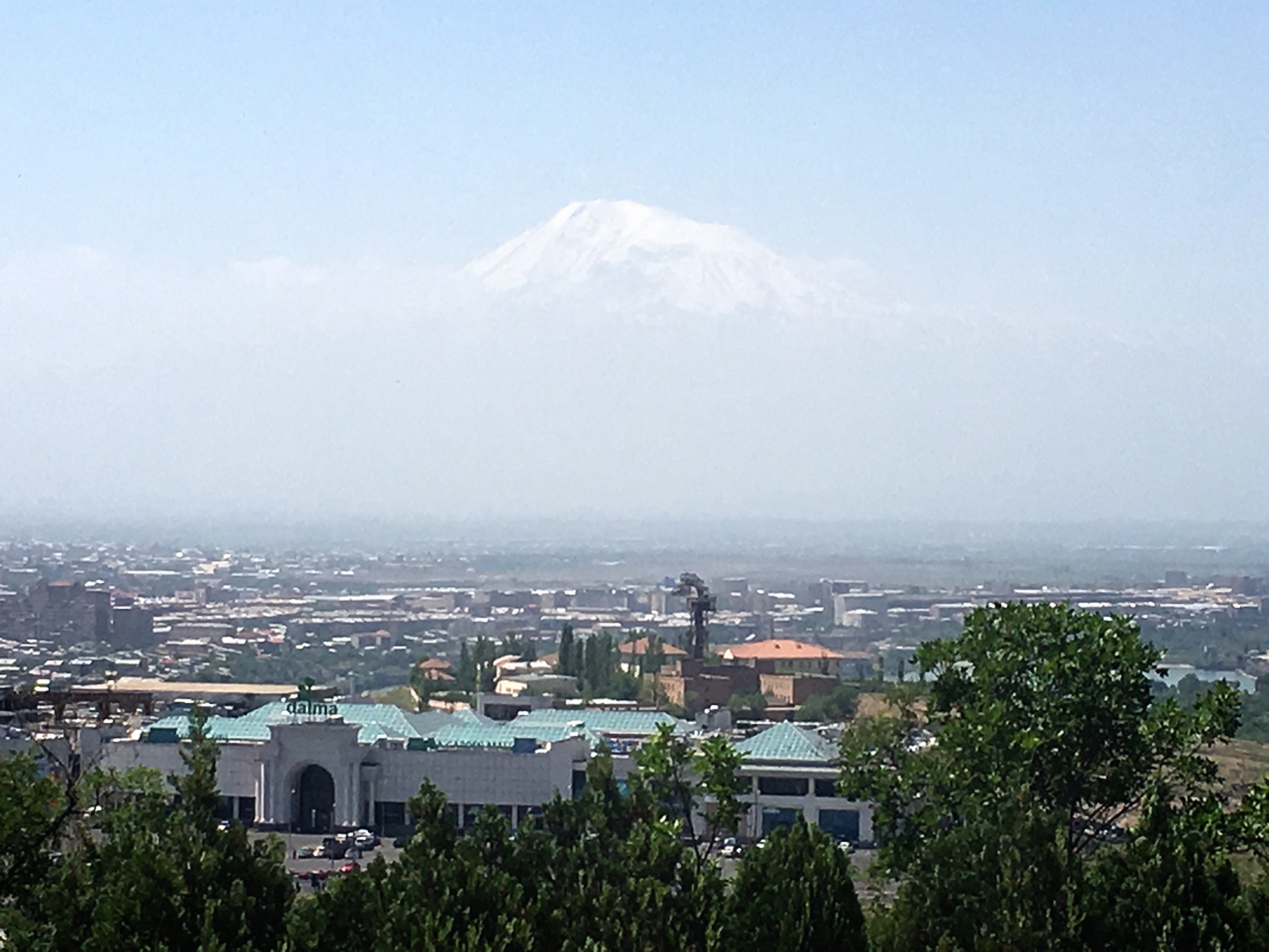
IMG_2008
Even on polluted days, you can see the peak of Ararat from Yerevan

China quickly clarified that the packages came from a provincial government in China - Chongqing - and that the Chinese phrasing made no reference to Ararat (which is true). They then said the "English translation was added later", implying that it might have been done by the private company which delivered the aid (which is probably not true, but who knows) - and that China respects Turkey's territorial integrity. As an Armenian, allow me to provide some background, both political and cultural.


IMG_2149
Also I will tell you about brandy
Mount Ararat is highly culturally important to Armenia. It's visible from both Yerevan - the capital, and also just a cool, funky city that you absolutely should visit - and much of the Armenian plain (the monastery of Khor Virap is an excellent place to get a closer look at it). Like Olympus in Greek history, pre-Christian Armenian mythology considered Ararat the home of the gods. One might think this mythology is 'lost', but just as Athens is still named for Athena, plenty of Armenian names derive from these pre-Christian mythological names. For example, Mihran (my great-grandfather's name) is from Mihr, the god of smithing. Getting on the Jesus train didn't change this much: believed to be the landing site of Noah's Ark by those inclined to such beliefs, Armenians essentially transferred Ararat's pagan sacredness to Christianity. Since the Armenian genocide, it has also become a symbol of everything Armenians lost when they were exterminated from lands they had inhabited for centuries. Not just the land, but the culture - I could list several examples of eastern Anatolian cultural touchstones that are claimed by Turkey but may in fact be Armenian in origin, but I'll just point out one - carpets. There is evidence to suggest that "Turkish rugs" are culturally Armenian. And yes, Ararat has been a symbol of Armenian irredentist beliefs. I am unable to speak objectively on this so I won't belabor the point, but much of what is now eastern "Turkey" was heavily populated by Armenians until the genocide. The Treaty of Sevrès gave that land to Armenia, and then the USSR, for purely political reasons, turned around and handed it to Turkey - including Ararat.


IMG_2096
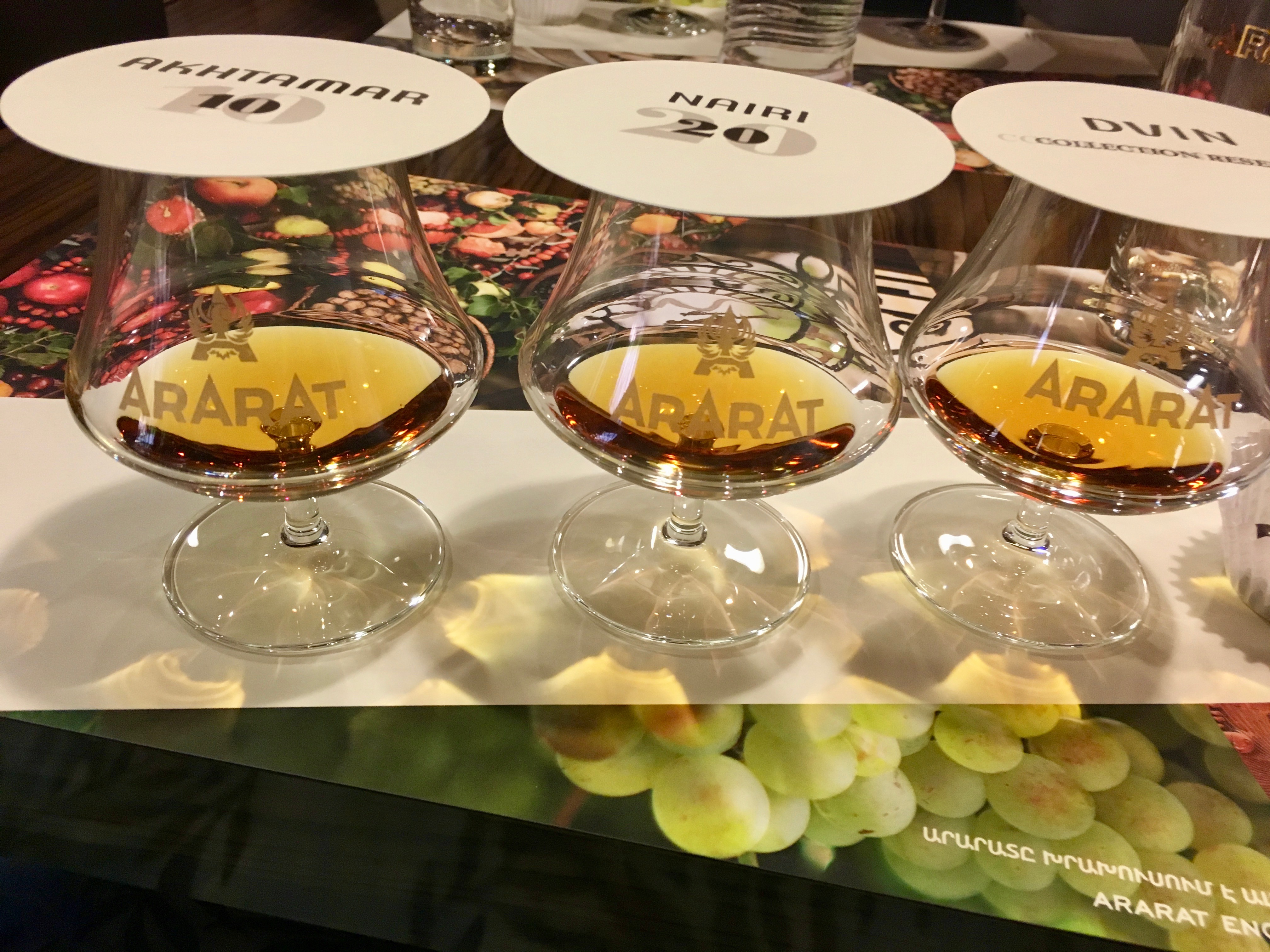
Not joking about the brandy - Winston Churchill apparently drank it
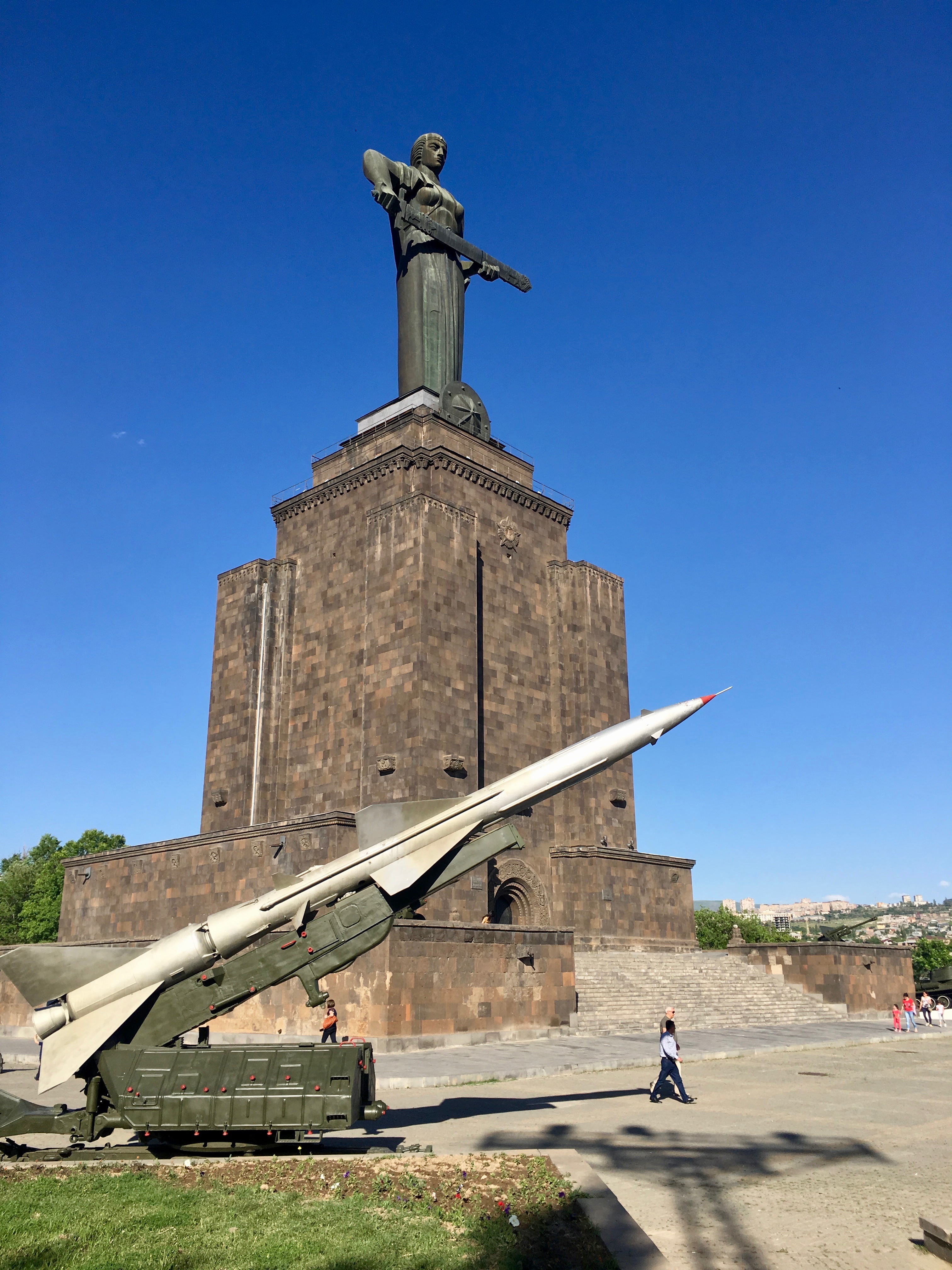
Ararat is on the coat of arms of Armenia. In Yerevan, the statue of "Mother Armenia" faces it (and is surrounded by military accoutrements). Armenia's most famous brandy is named for it. Pins purchased by pilgrims to the various well-known monasteries across Armenia generally depict it. When I visited Armenia and caught my first sight of Ararat, despite knowing how silly it was to have an emotional attachment to a geographical location I had only a tenuous ancestral connection to - my ancestors having lived along the Mediterranean, not near the mountain - I got misty-eyed anyway. I don't know how else to express how important Ararat is to the Armenian people.
0
Armenian pilgrimage pins from my personal collection
(not my pilgrimages - I inherited these from my mom, who collected them despite ever going herself)
So, I can tell you that from an Armenian perspective, referencing Ararat in a gesture of friendship really has very little to do with borders. Yeah, Armenia wants that mountain back. Sure. Won't deny it. But even with the borders as they are, without even expressing an overt wish to change those borders, it is entirely culturally appropriate to reference Ararat in an Armenian context. From that perspective, for Turkey to get mad about it feels a bit like China getting butthurt whenever someone calls Taiwan "Taiwan" or expresses support for Hong Kong.

Imagine having a thing on your country's coat of arms, purposely building your museum to the Armenian Genocide within sight of it, naming your brandy after it, and believing in its religious significance several layers and millenia down, and having another country get all pissy for acknowledging it's important to you, because it's within their borders due to some Soviet political maneuvering. Sounds like that'd feel like crap, right? Well, it does.
IMG_2006
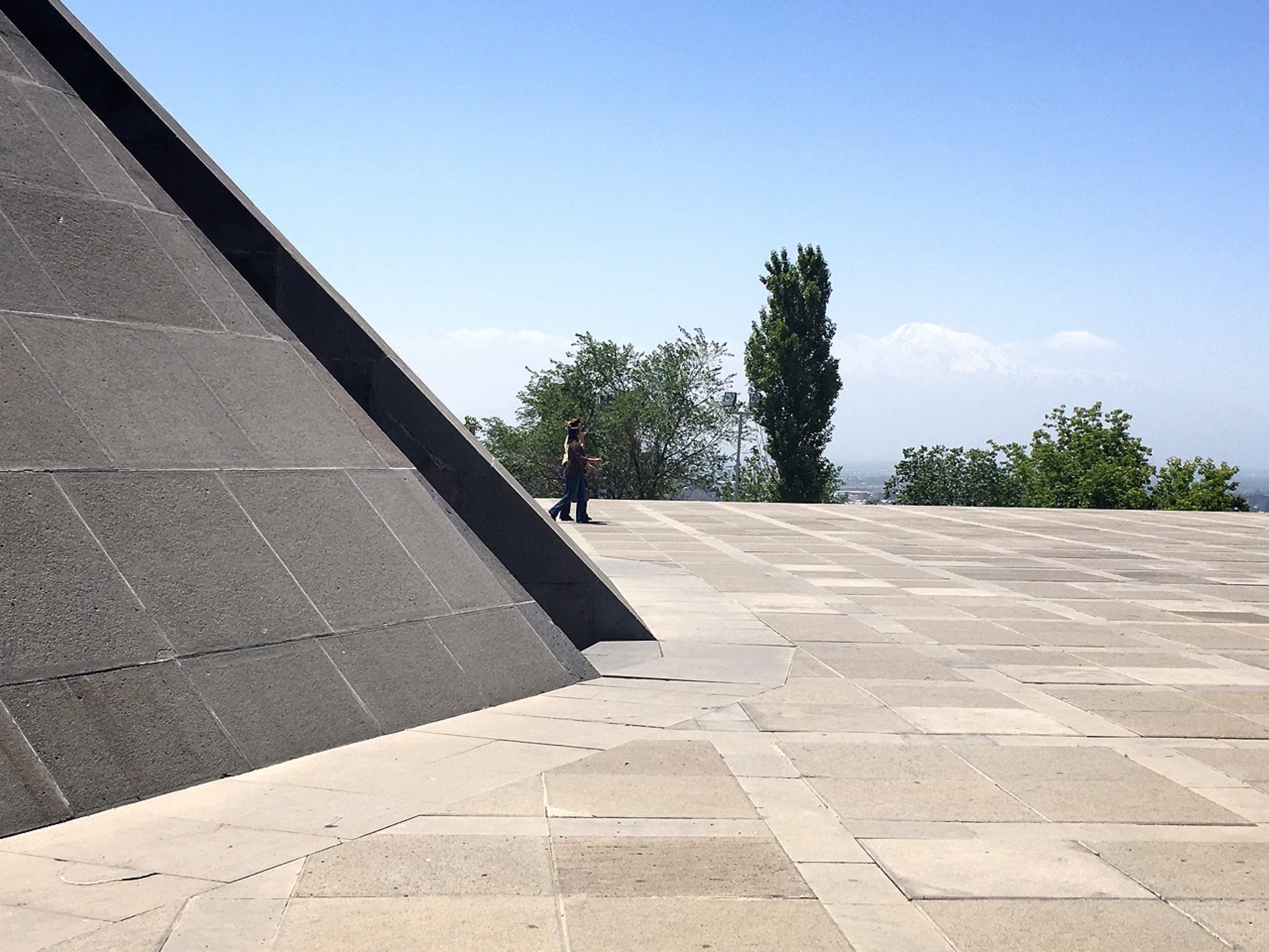
The view of Ararat from the Armenian Genocide museum
Perhaps Taiwanese can understand this. Although the two situations are not exactly parallel, I can only imagine how it must feel to want to claim some aspect of that part of Taiwanese cultural heritage which does have roots in China, only to be told that doing so makes you Chinese by nationality. So you're stuck with either constantly trying to explain your heart, or distancing yourself from that heritage. (This rock and hard place were both intentionally created by China). Imagine being told that huge segments of your history and cultural heritage are wrong. That this thing and that place are actually Turkish and the things you say happened to your ancestors...didn't. Of course, Taiwanese don't have to imagine.

The problem, of course, isn't with emotional attachments to geographical locations. It's with the rabid anger and perpetual glass-hearted offense created by nationalism, abetted by national borders.


IMG_2035
Mother Armenia ain't playin' games
If you've ever wondered why I came to care so much about Taiwan after moving here, despite having no Taiwanese ancestry, it's this: what my ancestors went through and what the ancestors of my Taiwanese friends went through were different, but surely you can see how these conflicts are, in great part, variations on the same old themes of dominance, marginalization and nationalism? And I'm as sick as they are of being told that my heritage isn't allowed to be what I know it is?
IMG_2111
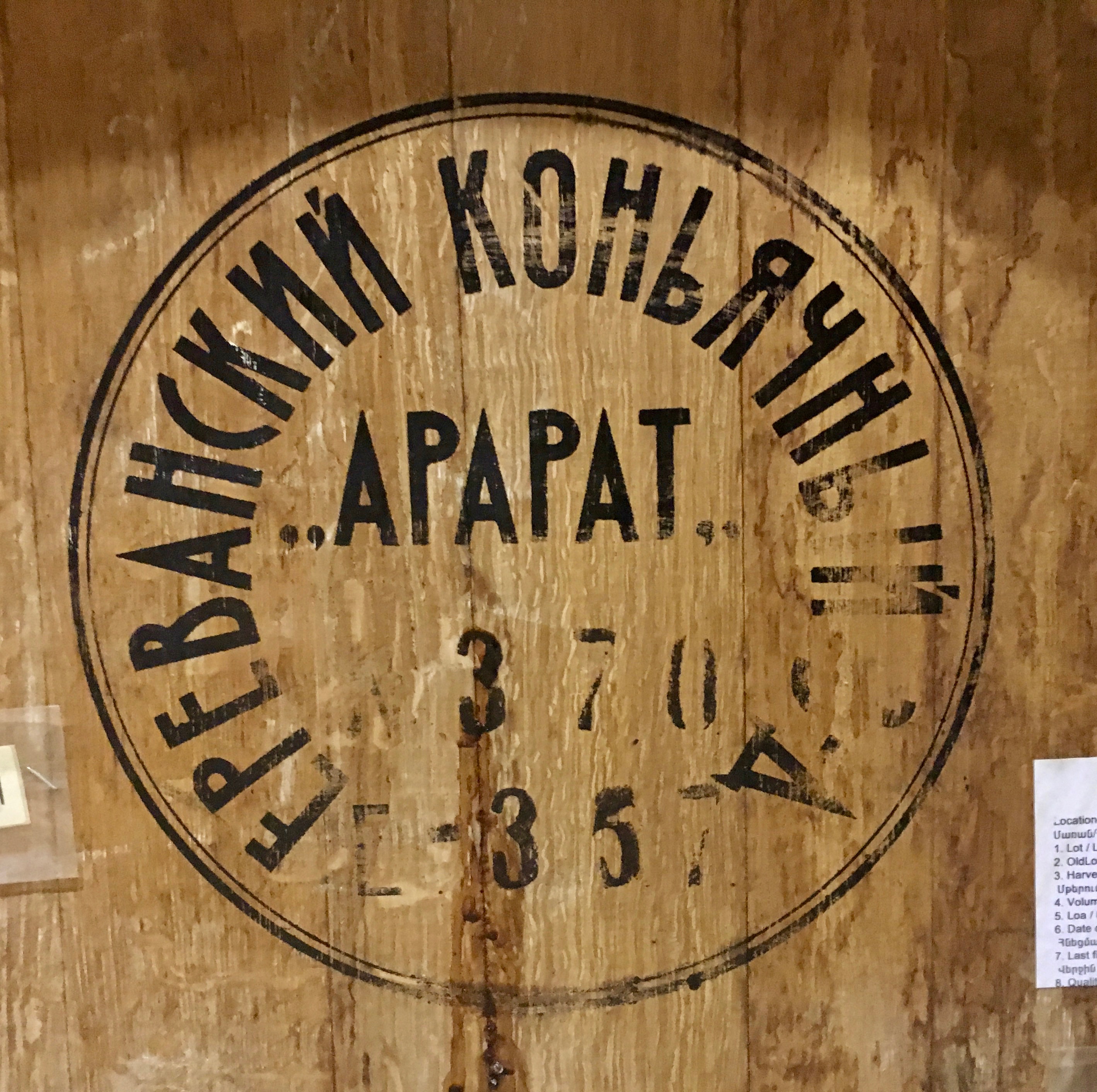
Really not joking about that brandy

I've long thought of Turkish political views as running on a parallel discourse with Chinese perspectives. Both are countries I have enjoyed visiting, meeting absolutely wonderful people and seeing some truly spectacular places. But politically, in Turkey they've convinced themselves that Armenia is the 'bad guy' and the Armenian genocide never happened (false), which is not that different from Chinese views that Taiwanese are the 'splittist' aggressors and Taiwan is their sovereign territory (again, false). I have lamented that these views are baked into the education that Turks and Chinese receive, and acknowledge that it is very difficult to overcome the failings of one's political upbringing.
Now, imagine that there a place which is key to your identity, perhaps even sacred in a quasi-religious sense. It occupies a central place in your cultural consciousness. Imagine being told by another country that not only is it theirs, not yours, but that it's not even particularly important to them. Taiwan, as a part of China, would be...just another province. Geostrategically important, perhaps, but honestly, I could see many Chinese viewing it as just a backwater, a nowhere. That's what it was under the Qing, after all. By Chinese standards, Taipei isn't even that big. I suspect most Taiwanese know this in their bones: Taiwan is everything to them. It's central to their history, identity and culture. To China, it's just hicksville. Yet they dare to pitch a fit whenever Taiwan points out that it's better off on its own. That's Ararat to Turkey. They don't care about it. It's so far east that I suspect Turks generally don't think about it much. It's a nowhere, a backwater. It is not central to their nation or identity the way it is to Armenians. And yet they have the temerity to throw a tantrum when any other nation references that cultural significance to Armenia. If you've gotten this far, you're probably shaking your head thinking "is Lao Ren Cha really saying that China did nothing wrong here?"
IMG_2041
Another view of Ararat from Yerevan
You'll be shocked to hear that Istanbullus don't care much about this mountain, but Yerevanis do. 
Well, I suppose...yes. But even when China is right, of course it's also wrong. Bullying Turkey out of supporting the Uighurs is wrong. And Armenia has quietly become a key node in China's Belt and Road Initiative, which sort of mimics its status as a border state between "east" and "west" (which the Romans and Persians would interfere with in order to snipe at each other from time to time) and stop on the Silk Road. But the BRI is no Silk Road - instead of bandits, there are debt traps. Even if the countries involved don't end up as serfs to China, they'll find themselves at the other end of threats to cut off this or that source of funds - closing a highway, cutting off international students, re-routing shipping, tourism, whatever - if they become to dependent on China. Again, variations on the same old themes.
IMG_2107
I really can't emphasize enough about the brandy